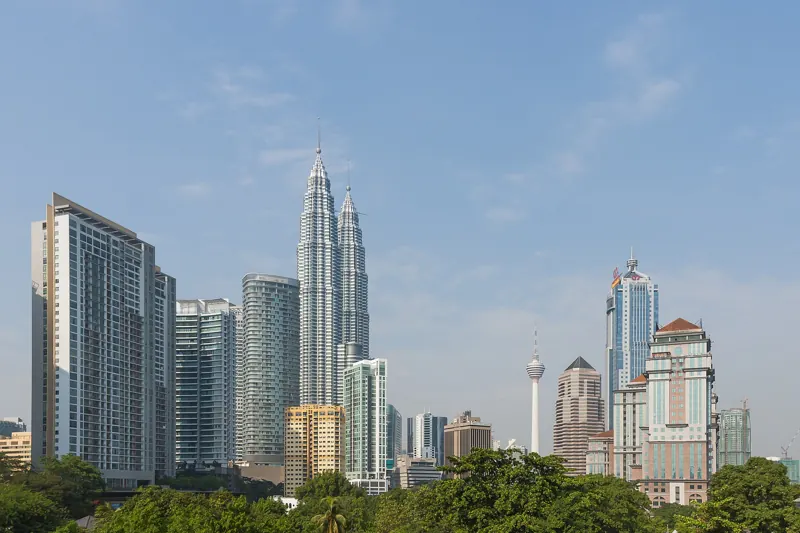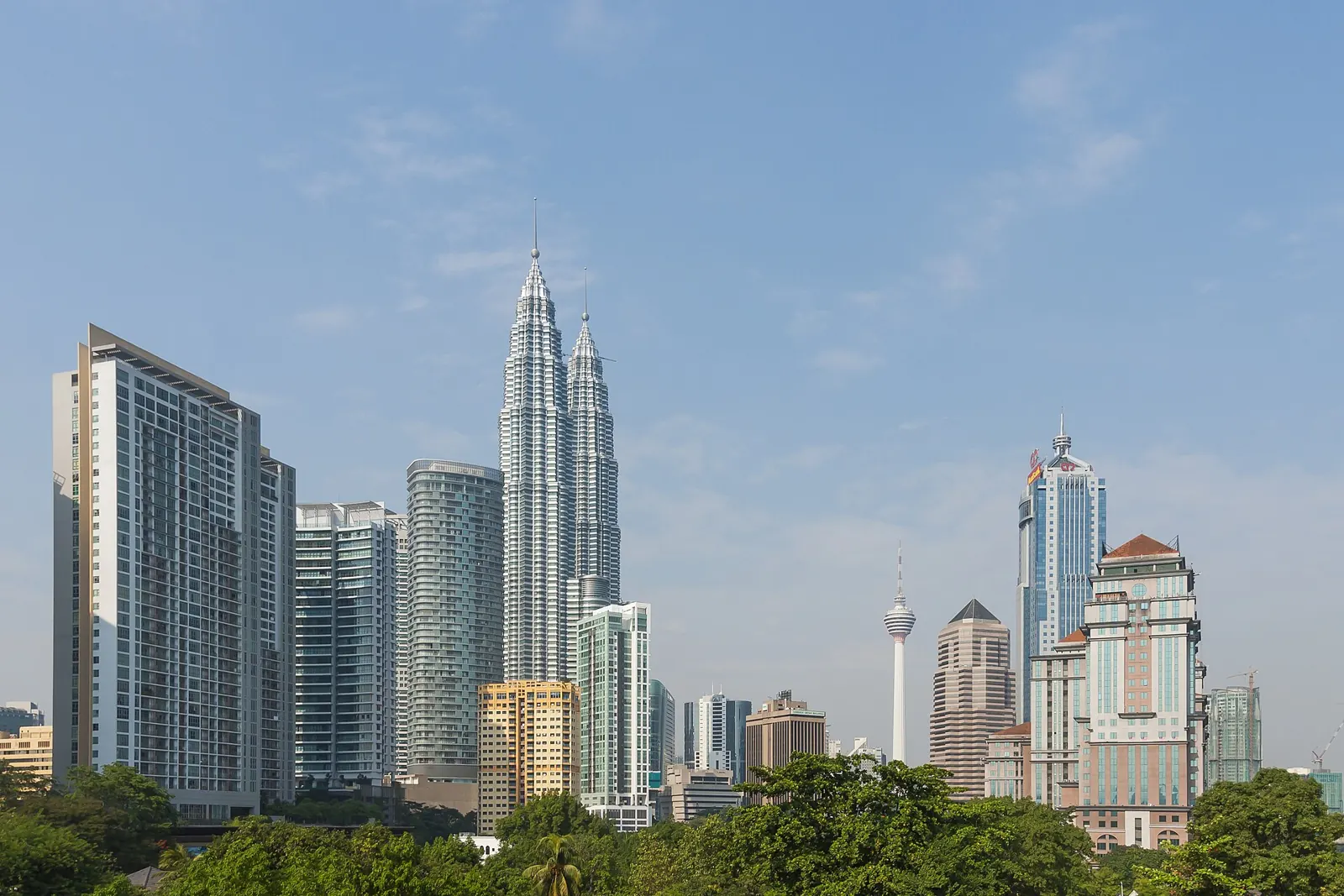
Two of Southeast Asia’s largest capitals compete for your retirement savings. Kuala Lumpur vs Bangkok for retirement is a decision that divides expats who want world-class healthcare, low costs, and warm weather year-round.
A comfortable retirement in Kuala Lumpur costs $1,400 to $1,800 per month. Bangkok runs $1,600 to $2,100 per month. According to Expatistan’s February 2026 data, KL is 13% to 15% cheaper than Bangkok across housing, food, and transport.
This guide compares costs, visas, healthcare, safety, taxes, and quality of life across 13 categories. You will leave with a clear answer for your budget and lifestyle.
Quick Verdict: Kuala Lumpur vs Bangkok at a Glance
Both cities rank among the top retirement destinations in Southeast Asia. Your winner depends on budget versus lifestyle priorities.
| Category | Kuala Lumpur | Bangkok | Winner |
|---|---|---|---|
| Monthly budget | $1,400–$1,800 | $1,600–$2,100 | Kuala Lumpur |
| Retirement visa | MM2H (5–10 year) | O-A / Elite | Kuala Lumpur |
| Healthcare quality | Excellent | Excellent | Tie |
| Safety | Good | Good | Tie |
| English spoken | Widely spoken | Limited | Kuala Lumpur |
| Expat community | Large, diverse | Massive, established | Bangkok |
| Food costs | $3–5 per meal | $2–5 per meal | Bangkok |
| Internet speed | 100–500 Mbps | 200–500 Mbps | Bangkok |
| US time zone overlap | 0 hours | 0 hours | Tie |
| Tax burden | Territorial | Territorial | Tie |
Cost of Living: Kuala Lumpur vs Bangkok Monthly Budget
According to Numbeo’s cost of living comparison, Kuala Lumpur costs 13% to 15% less than Bangkok across housing, food, and transportation. A single retiree can live well in KL on $1,600 per month. Bangkok requires closer to $1,800.
Here is what a $2,000 monthly budget looks like in each city:
| Expense | Kuala Lumpur | Bangkok |
|---|---|---|
| Rent (1-bed, furnished) | $400–$650 | $500–$800 |
| Utilities | $40–$70 | $60–$100 |
| Groceries | $200–$300 | $250–$350 |
| Dining out (15 meals) | $60–$100 | $50–$90 |
| Transportation | $40–$70 | $60–$100 |
| Health insurance | $100–$200 | $150–$250 |
| Entertainment | $80–$130 | $100–$150 |
| Phone + Internet | $25–$40 | $30–$45 |
| Total | $945–$1,560 | $1,200–$1,885 |
The KL advantage is strongest in housing and utilities. A modern one-bedroom condo in Mont Kiara or Bangsar rents for $450 to $600 per month. A comparable unit in Sukhumvit or Silom costs $600 to $800.
Bangkok wins on street food. A plate of pad thai or rice with curry costs $1.50 to $3. KL’s hawker stalls serve nasi lemak and roti canai for $1.50 to $4, but the gap is narrow.
Western groceries cost similar amounts in both cities. Imported cheese, wine, and specialty items run $5 to $15 per item regardless of which capital you choose.
Gym memberships cost $25 to $45 per month in KL and $30 to $50 in Bangkok. Both cities have modern fitness facilities in expat neighborhoods.
Use our geographic arbitrage calculator to model your specific spending against both cities.
Retirement Visas: Malaysia MM2H vs Thailand O-A and Elite
Malaysia’s MM2H program offers a longer visa term with no age minimum. Thailand’s O-A visa requires age 50+ but has a lower financial threshold. The Thailand Privilege visa (formerly Elite) bypasses age requirements entirely.
| Requirement | Malaysia MM2H (Silver) | Thailand O-A Visa | Thailand Privilege (Bronze) |
|---|---|---|---|
| Age minimum | None | 50 years | None |
| Financial requirement | $150,000 fixed deposit | 800,000 THB ($22,800) bank deposit | 650,000 THB ($19,000) one-time fee |
| Property purchase | RM 600,000+ required | Not required | Not required |
| Validity | 5 years, renewable | 1 year, renewable | 5 years |
| Health insurance | Required (RM 80,000 min) | Required ($100,000 coverage) | Not required |
| Path to residency | Possible after 5+ years | Difficult | No |
| Work permitted | No | No | No |
Malaysia MM2H key requirements:
- No age minimum for the program
- $150,000 USD fixed deposit in a Malaysian bank for the Silver tier
- Property purchase of RM 600,000+ required within one year of visa endorsement
- Health insurance with minimum RM 80,000 coverage
- Must apply through a licensed MM2H agent, as direct submissions are no longer accepted
- 90 cumulative days residency per year required for applicants under 50
Read our full guide on the Malaysia retirement visa for step-by-step instructions.
Thailand O-A visa key requirements:
- Age 50+ at time of application
- 800,000 THB bank deposit maintained for 2 months before application
- Health insurance with minimum $100,000 inpatient coverage per Thai immigration requirements
- Clean criminal record from home country
- 90-day reporting to immigration (in person or online)
See our detailed Thailand retirement visa guide for application steps.
KL wins on visa flexibility for younger retirees. MM2H has no age minimum, and the 5-to-10-year validity reduces bureaucratic hassle. Bangkok’s O-A visa locks out anyone under 50, though the Privilege visa fills that gap at a higher cost.
Healthcare: Kuala Lumpur vs Bangkok Hospitals and Insurance
Both capitals offer world-class healthcare at a fraction of US costs. KL has more English-speaking medical staff. Bangkok has more JCI-accredited hospitals and a stronger medical tourism reputation.
Kuala Lumpur hospitals:
- Gleneagles Hospital Kuala Lumpur is JCI-accredited with dedicated international patient services and complimentary airport transfers
- Prince Court Medical Centre was the first private hospital in the Klang Valley to receive JCI accreditation, with over 300 beds and bilingual staff
- Routine checkup costs run $25 to $60 without insurance
- Specialist consultations cost $30 to $80
Bangkok hospitals:
- Bumrungrad International Hospital serves over 1.1 million patients annually from 190+ countries with 1,300+ doctors on staff
- BNH Hospital is Thailand’s first international private hospital, JCI-accredited, with translation services in 10+ languages
- Routine checkup costs run $30 to $80
- Specialist consultations cost $40 to $100
| Insurance Type | Kuala Lumpur | Bangkok |
|---|---|---|
| Local plan (basic) | $600–$1,500/year | $1,200–$2,400/year |
| International plan (comprehensive) | $3,000–$5,500/year | $3,500–$6,000/year |
| Out-of-pocket dental cleaning | $15–$30 | $25–$40 |
| Out-of-pocket MRI | $150–$300 | $200–$400 |
KL’s advantage is language. Doctors, nurses, and administrative staff at major hospitals speak fluent English. Bangkok’s top hospitals have English-speaking doctors, but support staff and paperwork often default to Thai.
Read more about healthcare options for expats abroad for provider comparisons and insurance strategies.
Safety and Security: Kuala Lumpur vs Bangkok for Retirees
Both cities are safe by Southeast Asian standards, with low violent crime against foreign retirees. Petty crime exists in tourist areas of both capitals but is manageable with basic awareness.
KL’s main safety concerns are minor. Bag snatching by motorbike riders occurs in certain areas. The expat neighborhoods of Mont Kiara, Bangsar, and KLCC feel safe walking day and night. Numbeo’s safety index rates KL moderately safe overall.
Bangkok’s safety profile is similar. Petty scams targeting tourists exist but are uncommon in residential areas. Sukhumvit, Silom, and Sathorn neighborhoods are safe for daily routines. Motorbike taxi accidents are the most common risk for expats.
Practical safety tips for both cities:
- Avoid displaying expensive electronics on busy streets
- Use registered taxis or ride-hailing apps like Grab in both cities
- Stay in established expat neighborhoods for the safest daily experience
- Keep copies of your passport and visa documents on your phone
- Get local SIM cards so you can call emergency services immediately
The safety comparison is close to a draw. KL has a slight edge on walkability at night. Bangkok has better street lighting and more police presence in tourist areas.
Climate and Weather: Kuala Lumpur vs Bangkok Year-Round
Both cities are hot and humid year-round, but Bangkok has a more distinct seasonal pattern. KL sits near the equator with consistent temperatures. Bangkok has a cool season that many retirees prefer.
| Season | KL Temp | KL Rain | Bangkok Temp | Bangkok Rain |
|---|---|---|---|---|
| Jan–Mar | 75–92°F | Moderate | 68–95°F | Low |
| Apr–Jun | 76–92°F | Heavy | 78–100°F | Increasing |
| Jul–Sep | 75–91°F | Moderate | 77–93°F | Heavy |
| Oct–Dec | 75–90°F | Heavy | 68–90°F | Decreasing |
Bangkok’s cool season (November through February) brings pleasant temperatures of 68 to 85°F with low humidity. This is when the city is at its best. However, Bangkok also suffers from seasonal air pollution, with PM2.5 levels reaching unhealthy readings during January and February.
KL’s climate is remarkably consistent. Temperatures stay between 75 and 92°F throughout the year. Rain comes in short afternoon bursts. You never need a jacket, but you always need an umbrella.
If you prefer seasonal variation and cool evenings, Bangkok wins for 4 months of the year. If you prefer predictable weather with no extreme heat spikes, KL delivers steadier comfort.
Expat Community: Kuala Lumpur vs Bangkok Social Scene
Bangkok has the larger and more established expat community in Southeast Asia, with an estimated 200,000 to 300,000 foreign residents. KL’s expat community is smaller but highly diverse, with an estimated 100,000+ expats concentrated in well-defined neighborhoods.
Kuala Lumpur expat resources:
- Expats Malaysia community hub with 400,000+ members across platforms
- Mont Kiara is the primary expat enclave with international schools, Western supermarkets, and English-speaking clinics
- Bangsar and KLCC offer cosmopolitan dining, nightlife, and social events
- InterNations KL chapter hosts monthly events and networking
- English is widely spoken in shops, restaurants, government offices, and daily life
Bangkok expat resources:
- Facebook groups like “Expats in Bangkok” (100,000+ members) provide daily advice
- Sukhumvit, Silom, and Sathorn are the main expat neighborhoods
- Bangkok Expats Club and Rotary Club offer structured social activities
- Language barrier exists for deeper social integration with locals
- Massive digital nomad community with dozens of coworking spaces
KL’s biggest social advantage is English. Malaysia’s colonial history means English is spoken widely at every level of society. You can handle banking, legal matters, and medical appointments in English without a translator.
Bangkok’s community is larger with more variety. But daily life requires navigating Thai script, and government interactions often need a translator or Thai-speaking friend.
Compare the social dynamics with our Bali vs Chiang Mai comparison for a broader Southeast Asia perspective.
Food and Dining: Kuala Lumpur vs Bangkok Daily Meals
Bangkok wins on street food costs by a slim margin. A full day of eating out in Bangkok costs $7 to $15. The same in KL runs $8 to $18. Both cities rank among the best food destinations in Asia.
| Meal Type | Kuala Lumpur | Bangkok |
|---|---|---|
| Street food / local lunch | $1.50–$4 | $1.50–$3 |
| Mid-range restaurant | $6–$12 | $5–$10 |
| Western restaurant | $10–$20 | $10–$20 |
| Coffee shop latte | $2–$4 | $2–$3 |
| Beer (local) | $2–$4 | $2–$4 |
| Weekly groceries | $35–$55 | $35–$55 |
KL’s food scene reflects its multicultural makeup. Malay, Chinese, and Indian cuisines sit side by side in hawker centers. Nasi lemak, char kway teow, and roti canai are available on every block for under $3 per plate.
Thai cuisine is one of the most varied in the world. Bangkok’s street food culture is legendary, with pad thai, green curry, and som tum available for $1.50 to $3 from sidewalk vendors across the city.
Alcohol costs are a draw in 2026. Malaysia’s Muslim-majority culture means alcohol is taxed heavily. A local beer at a KL bar costs $3 to $5. Bangkok’s beer prices have risen to similar levels at $2 to $4 depending on the venue.
Both cities have strong international food scenes. KL excels in Indian and Middle Eastern cuisine. Bangkok leads in Japanese, Korean, and fine dining options. For a broader look at food costs across retirement destinations, see our spending comparison.
Internet and Infrastructure: Kuala Lumpur vs Bangkok
Bangkok edges ahead on internet speed and digital nomad infrastructure. KL counters with a modern metro system and better English-language services. Both cities have the infrastructure retirees need for comfortable daily life.
| Feature | Kuala Lumpur | Bangkok |
|---|---|---|
| Home fiber speed | 100–500 Mbps | 200–500 Mbps |
| Monthly internet cost | $15–$30 | $15–$25 |
| Coworking spaces | 20+ | 40+ |
| Coworking monthly cost | $80–$150 | $80–$150 |
| Mobile data (30GB) | $8–$15 | $8–$15 |
| Power reliability | 99%+ | 99%+ |
KL’s public transit system is well-developed. The LRT, MRT, KTM, and monorail cover most areas retirees frequent. A monthly transit pass costs about $25 to $40.
Bangkok’s BTS Skytrain and MRT metro are efficient but cover less of the city. You will rely on Grab rides, motorbike taxis, or river boats for areas off the rail lines. Monthly transit costs run $30 to $60.
KL’s coworking scene includes Common Ground, WORQ, and Colony, all offering modern amenities and fast connections. Bangkok’s coworking options are more numerous, with spaces like Hubba, The Hive, and JustCo catering to a larger remote work community.
For retirees who want to navigate daily life in English, KL wins. Road signs, menus, government forms, and train announcements are all in English and Malay. Bangkok’s signage has improved, but official documents and most interactions default to Thai.
Tax Implications: Malaysia vs Thailand for US Retirees
Both Malaysia and Thailand operate territorial tax systems, meaning they tax only income earned within or remitted into the country. This is a significant advantage over countries that tax worldwide income.
Malaysia’s tax rules currently exempt foreign-sourced income remitted into Malaysia through the end of 2026. Thailand’s tax rules tax foreign income remitted in the same calendar year it was earned.
| Tax Factor | Malaysia | Thailand |
|---|---|---|
| System | Territorial (remittance-based) | Territorial (remittance-based) |
| Tax residency trigger | 182+ days | 180+ days |
| Income tax rates | 0–30% progressive | 0–35% progressive |
| Foreign income remitted | Exempt through Dec 2026 | Taxed if remitted same year as earned |
| Capital gains | Generally not taxed | If remitted same year |
| FBAR filing | Required for US citizens | Required for US citizens |
| Tax treaty with US | Yes | Yes |
Malaysia’s current advantage: Until December 31, 2026, foreign-sourced income remitted to Malaysia is exempt from tax if it has been taxed in the country of origin. This means your Social Security, pension, and investment income transferred to Malaysia faces zero Malaysian tax in 2026. This exemption may change in 2027.
Thailand’s remittance timing: If you transfer savings earned in prior years into Thailand, those funds are not taxable. Many retirees time their remittances to minimize Thai tax exposure. Current-year income remitted to Thailand is subject to progressive rates up to 35%.
Both countries require US citizens to file annual US tax returns and FBAR reports for foreign bank accounts exceeding $10,000. The IRS Foreign Earned Income Exclusion may also apply. Use our expat tax estimator to model your specific situation.
US citizens living in either country still owe self-employment tax on any earned income. Passive income from investments, pensions, and Social Security payments received abroad follows different rules in each country.
Malaysia’s tax system is simpler to manage through 2026 due to the blanket exemption. Thailand’s system requires more careful planning around remittance timing. Both are favorable compared to worldwide-taxation countries.
Consult a qualified expat tax professional before making residency decisions based on tax planning. Rules change, and individual situations vary.
The Honest Downsides: Kuala Lumpur vs Bangkok
No city is perfect for retirement. Here are the real frustrations expats report in each capital.
Kuala Lumpur Downsides
The MM2H financial bar is high. A $150,000 fixed deposit plus a mandatory property purchase of RM 600,000+ puts the program out of reach for many retirees. Application requirements have tightened since the 2021 overhaul.
Islamic cultural norms shape daily life. Alcohol is expensive and sold only at licensed venues. During Ramadan, some restaurants close during daytime hours. This does not affect most expats in KL, but it is a noticeable cultural difference.
Afternoon thunderstorms hit almost daily from March through November. The rain is brief but heavy. Plan outdoor activities for mornings.
Driving culture is aggressive. KL’s roads are fast-moving and motorcycle-heavy. Many retirees rely on Grab rides and the metro rather than driving themselves.
Bangkok Downsides
Language barriers remain a daily challenge. Unlike KL where English works everywhere, Bangkok requires navigating Thai script for street signs, menus, and government documents. Hospital staff at top facilities speak English, but immigration officers often do not.
Traffic is among the worst in Asia. Bangkok’s congestion means a 10-kilometer trip can take 45 minutes or more during rush hour. Live near a BTS or MRT station or plan for long commutes.
Air pollution spikes from December through February. IQAir data for Bangkok shows AQI readings regularly exceeding unhealthy levels during peak months. In January 2026, Bangkok ranked 12th globally for worst air quality.
Visa bureaucracy wears you down. The O-A visa requires annual renewals, 90-day reporting, and proof that your bank balance stays above 800,000 THB. The process tests your patience every quarter.
Who Should Choose Kuala Lumpur
Kuala Lumpur is the better fit for retirees who prioritize English accessibility, lower monthly costs, and a multicultural environment.
- Choose KL if you want to handle banking, healthcare, and legal matters entirely in English
- Choose KL if you prefer the lowest possible monthly expenses among SE Asian capitals
- Choose KL if you value a multicultural food scene blending Malay, Chinese, and Indian cuisines
- Choose KL if you want a modern metro system for car-free daily life
- Choose KL if you have the capital for MM2H and want a long-term 5-to-10-year visa
- Choose KL if you prefer a territorial tax system with zero tax on remitted foreign income through 2026
- Choose KL if you want affordable world-class healthcare with fully English-speaking hospital staff
Read our full guide to retiring in Malaysia for a comprehensive planning resource, or compare Southeast Asian retirement options to see how other destinations stack up.
Who Should Choose Bangkok
Bangkok is the better fit for retirees who prioritize a massive expat community, legendary food culture, and established retirement infrastructure.
- Choose Bangkok if you want the largest expat community in Southeast Asia with ready-made social circles
- Choose Bangkok if you are over 50 and qualify for the straightforward O-A retirement visa
- Choose Bangkok if you love Thai cuisine and want $2 street food meals every day
- Choose Bangkok if you value fast internet and a mature digital nomad infrastructure
- Choose Bangkok if you want more nightlife, entertainment, and cultural activities
- Choose Bangkok if you prefer a Buddhist culture with temples, festivals, and a relaxed social atmosphere
- Choose Bangkok if you are under 50 and willing to invest in a Thailand Privilege visa for long-term access
Read our full guide to retiring in Thailand for a comprehensive planning resource, or compare Bangkok vs Chiang Mai costs to see how the two Thai cities stack up.
Final Verdict: Kuala Lumpur vs Bangkok for Retirement
Kuala Lumpur wins on budget, English accessibility, and tax simplicity. If your priority is stretching every dollar while navigating daily life entirely in English, KL is your city.
Bangkok wins on expat community, food culture, and established retirement infrastructure. If you want a vibrant social scene, legendary cuisine, and a city where thousands of retirees have paved the way, Bangkok delivers.
For a retiree with $1,800 per month or less, Kuala Lumpur provides a more comfortable margin. At $2,200 or more per month, both cities offer excellent quality of life and your decision comes down to lifestyle preference.
The smartest approach: spend 30 to 60 days in each city before committing. Rent month-to-month, test your budget against real expenses, and see which culture fits your personality.
Use our visa eligibility checker to confirm which visas you qualify for, then run the numbers through our geographic arbitrage calculator to see exactly how far your savings stretch in each city.
Frequently Asked Questions
Is Kuala Lumpur or Bangkok cheaper for retirement?
Kuala Lumpur is 13% to 15% cheaper than Bangkok across most categories. Housing, utilities, and transportation all cost less in Malaysia. A comfortable single retiree budget starts at $1,400 per month in KL versus $1,600 in Bangkok.
Can I retire in Bangkok on $1,500 a month?
Yes, but it requires discipline. You would need to live outside central Sukhumvit, eat mostly Thai street food, and keep entertainment modest. At $1,500 you have limited room for Western dining or frequent travel. KL offers more breathing room at the same budget.
Do I need to speak Thai to retire in Bangkok?
Thai is helpful but not essential in tourist and expat areas. Top hospitals and banks in Bangkok have English-speaking staff. Government offices, landlords, and daily vendors often speak limited English. Budget for a basic Thai course or hire a fixer for administrative tasks.
Is English widely spoken in Kuala Lumpur?
Yes. Malaysia’s education system uses English extensively, and KL is a multicultural capital where English functions as a common language. You can handle banking, hospital visits, legal matters, and everyday shopping in English without difficulty.
What is the MM2H visa financial requirement?
The MM2H Silver tier requires a $150,000 USD fixed deposit in a Malaysian bank plus a property purchase of RM 600,000+ within one year. Applications must go through licensed agents. There is no age minimum, but the financial bar is higher than Thailand’s O-A visa.
Which city has better healthcare for retirees?
Both cities offer excellent healthcare at low costs. Bangkok has more JCI-accredited international hospitals, including Bumrungrad and BNH. KL’s Gleneagles and Prince Court are JCI-accredited with fully English-speaking staff. Out-of-pocket costs are 15% to 25% lower in KL.
How does air quality compare in Kuala Lumpur vs Bangkok?
Bangkok suffers worse air pollution, with PM2.5 levels reaching unhealthy readings from December through February. KL has occasional haze from Indonesian agricultural burning (typically August to October) but generally better year-round air quality.
Can I open a bank account as a retiree in Kuala Lumpur or Bangkok?
Both cities allow foreigners to open bank accounts, but requirements differ. KL banks typically require your MM2H visa or work permit plus passport. Bangkok banks require your O-A visa, proof of address, and a Thai phone number. KL’s process is smoother because staff handle everything in English. See our international banking guide for expats for account setup tips.