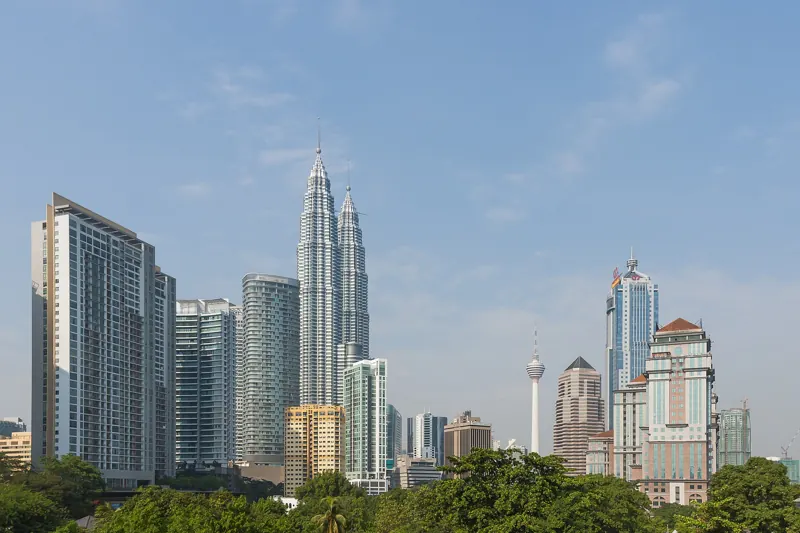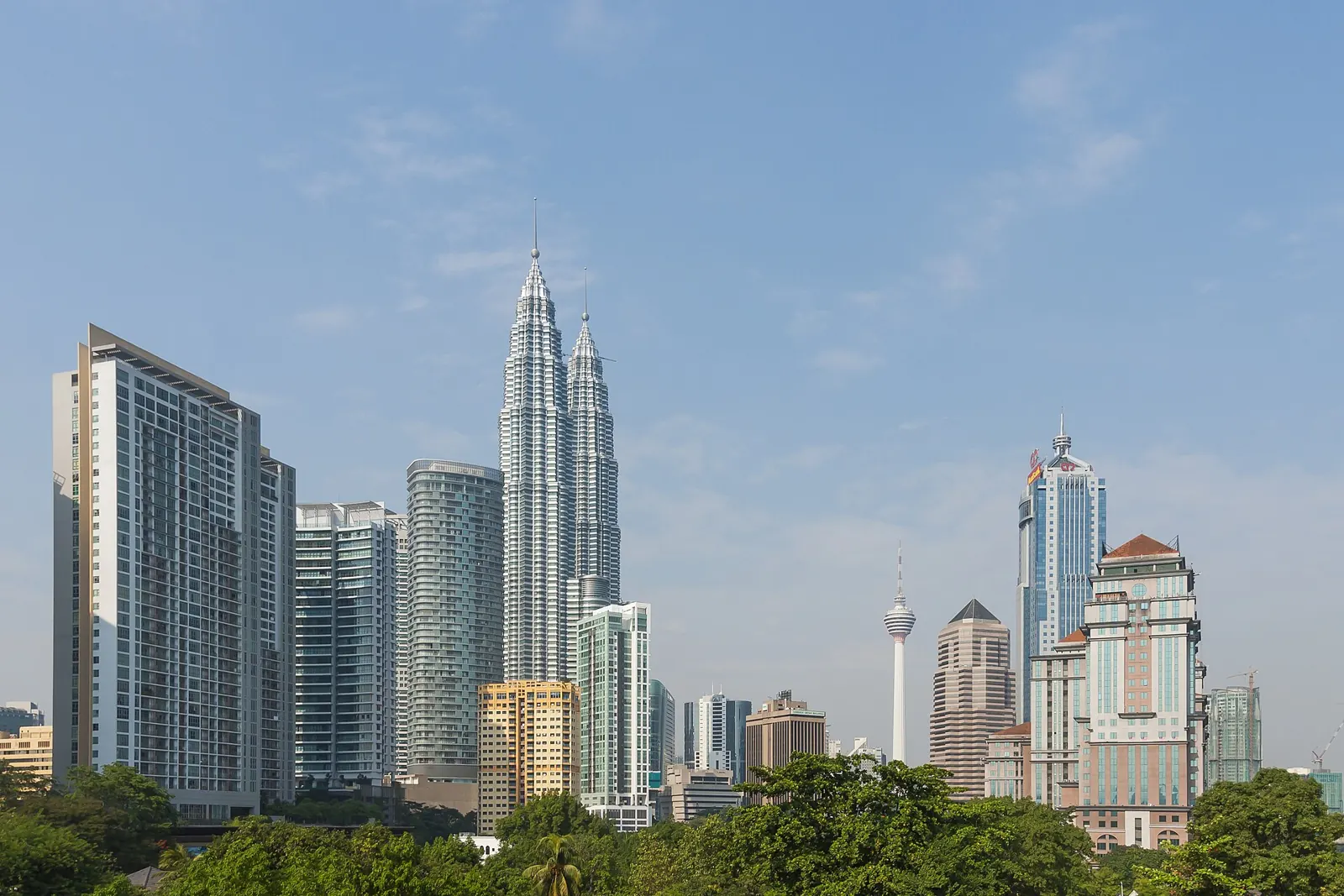
Malaysia keeps landing on “best places to retire” lists, and for good reason.
The country offers first-world healthcare at developing-world prices, with three distinct cities competing for your retirement years.
Here’s the insider breakdown of how Kuala Lumpur vs Penang vs Kota Kinabalu retirement comparison stacks up across every factor that matters.
Quick Snapshot: KL vs Penang vs Kota Kinabalu at a Glance
Each city attracts a different type of retiree, and picking the wrong one leads to expensive do-overs.
| Factor | Kuala Lumpur | Penang | Kota Kinabalu |
|---|---|---|---|
| Metro Population | ~8 million | ~1.8 million | ~500,000 |
| Average 2BR Condo Rent | MYR 3,000–5,000 ($670–$1,120) | MYR 2,000–3,500 ($450–$785) | MYR 1,500–2,800 ($335–$630) |
| Healthcare Rating | Excellent (world-class) | Excellent (medical tourism hub) | Good (improving rapidly) |
| Expat Community Size | Large & diverse | Medium, Western-heavy | Small but growing |
| MM2H Program | Federal MM2H | Federal MM2H | Sabah MM2H (separate, easier) |
| Public Transit | Extensive (MRT, LRT, monorail) | Limited | Minimal |
| Climate | Hot & humid year-round | Coastal with monsoon | Milder tropical, outside typhoon belt |
| International Airport | Major global hub (KLIA) | Good regional connections | Strong Asian connections |
Choose KL if you want big-city convenience and top healthcare. Choose Penang if food culture and heritage charm matter most. Choose Kota Kinabalu if nature, lower costs, and an easier visa path win you over.
Cost of Living Comparison (2026 Figures)
Your retirement budget stretches furthest in Kota Kinabalu and shortest in KL, though the gap narrows depending on your lifestyle choices.
Monthly Rent & Housing Costs
Rent dominates your monthly spend in all three cities. Location within each city matters more than the city itself.
| Housing Type | KL (Mont Kiara/Bangsar) | Penang (George Town/Tanjung Bungah) | KK (Sutera Harbour/Likas) |
|---|---|---|---|
| Studio/1BR Condo | MYR 2,200 ($495) | MYR 1,500 ($335) | MYR 1,200 ($270) |
| 2BR Condo (furnished) | MYR 3,800 ($850) | MYR 2,500 ($560) | MYR 1,800 ($405) |
| 3BR Condo (furnished) | MYR 5,500 ($1,235) | MYR 3,500 ($785) | MYR 2,800 ($630) |
| Landed House (3BR) | MYR 6,000+ ($1,345+) | MYR 3,000 ($670) | MYR 2,500 ($560) |
KL’s Mont Kiara commands premium rents because of its expat-oriented infrastructure. Penang’s George Town offers heritage shophouses alongside modern condos. KK’s Sutera Harbour gives you marina-view living at prices that would rent a studio in central KL.
Groceries & Dining Out
Malaysian food costs remain one of the country’s strongest retirement selling points across all three cities.
- Local hawker meal: MYR 8–15 ($1.80–$3.35) in all three cities
- Mid-range restaurant (two people): MYR 60–100 ($13.50–$22.50) in KL, MYR 50–80 ($11–$18) in Penang, MYR 45–70 ($10–$16) in KK
- Monthly groceries (couple): MYR 1,200–1,800 ($270–$405) in KL, MYR 1,000–1,500 ($225–$335) in Penang, MYR 900–1,400 ($200–$315) in KK
- Imported Western foods: 20–30% cheaper in KL due to better supply chains
- Fresh seafood: Cheapest in KK, followed by Penang. KL pays a premium for coastal catches
Penang’s street food scene is legendary. A plate of char kway teow from a top hawker stall runs MYR 8 and rivals anything from a fine-dining kitchen. KK’s seafood markets sell tiger prawns at MYR 35/kg, roughly half the price in KL.
Utilities, Internet & Transportation
| Monthly Cost | KL | Penang | KK |
|---|---|---|---|
| Electricity (AC use) | MYR 250–400 | MYR 200–350 | MYR 180–300 |
| Water | MYR 20–35 | MYR 15–25 | MYR 15–25 |
| Internet (fiber 100Mbps) | MYR 129 | MYR 129 | MYR 129 |
| Mobile plan | MYR 50–80 | MYR 50–80 | MYR 50–80 |
| Grab ride (10km) | MYR 15–25 | MYR 12–20 | MYR 10–18 |
Internet and mobile costs stay identical nationwide. The real difference shows up in transportation. KL retirees save on car ownership thanks to the MRT and LRT networks. Penang and KK retirees almost always need a vehicle.
Sample Monthly Budgets for Each City
| Expense | KL (Comfortable) | Penang (Comfortable) | KK (Comfortable) |
|---|---|---|---|
| Rent (2BR furnished) | MYR 3,800 | MYR 2,500 | MYR 1,800 |
| Groceries & Dining | MYR 2,500 | MYR 2,000 | MYR 1,800 |
| Utilities & Internet | MYR 500 | MYR 430 | MYR 400 |
| Transportation | MYR 400 | MYR 600 | MYR 600 |
| Healthcare/Insurance | MYR 800 | MYR 700 | MYR 600 |
| Entertainment & Social | MYR 1,000 | MYR 800 | MYR 700 |
| Total | MYR 9,000 ($2,020) | MYR 7,030 ($1,580) | MYR 5,900 ($1,325) |
A couple living comfortably in KK spends roughly $700 less per month than in KL. Over a 20-year retirement, that difference compounds to nearly $170,000 in savings.
Healthcare Quality & Accessibility
Malaysia’s private healthcare system ranks among Asia’s best, though the depth of specialist care varies dramatically between these three cities.
Hospitals & Medical Facilities
KL sets the standard. Prince Court Medical Centre, Gleneagles KL, and Sunway Medical Centre hold international JCI accreditation. Wait times for specialist consultations average 1–3 days.
Penang punches above its weight as a medical tourism hub. Penang Adventist Hospital, Gleneagles Penang, and Loh Guan Lye Specialists Centre draw patients from across Southeast Asia. A knee replacement in Penang costs roughly MYR 25,000–35,000 ($5,600–$7,850), about one-fifth of US pricing.
KK’s healthcare scene has improved significantly. Gleneagles Kota Kinabalu opened its expanded wing in recent years, and Queen Elizabeth Hospital serves as the main public facility. For routine care, KK handles everything well. Complex procedures or rare specialist needs sometimes require a flight to KL or Penang.
Health Insurance Options for Retirees
- Local private insurance (age 60): MYR 5,000–12,000/year ($1,120–$2,690) depending on coverage and pre-existing conditions
- International insurance (age 60): MYR 15,000–30,000/year ($3,365–$6,730)
- Out-of-pocket strategy: Many retirees self-insure for routine care and carry catastrophic-only coverage
- GP visit (private): MYR 50–80 ($11–$18) in all three cities
- Dental cleaning: MYR 100–200 ($22–$45)
Specialist Care & Medical Tourism
For specialist care, KL offers the widest selection. Oncologists, cardiologists, neurologists, and every subspecialty practice in KL. Penang comes close, with particular strength in orthopedics and cardiology.
KK retirees should budget for occasional flights to KL or Penang for specialist consultations. AirAsia operates multiple daily flights between KK and KL at MYR 150–300 ($34–$67) one way. Singapore sits a short flight from both KL and Penang for advanced procedures unavailable in Malaysia.
MM2H Visa & Immigration Requirements (2026 Update)
The MM2H visa 2026 landscape has shifted considerably from the pre-pandemic era, with higher financial thresholds and a unique opportunity in Sabah.
Current MM2H Requirements & Tiers
The federal Malaysia My Second Home program now operates with stricter requirements.
| Requirement | Federal MM2H (Silver) | Federal MM2H (Gold) | Federal MM2H (Platinum) |
|---|---|---|---|
| Fixed Deposit | MYR 150,000 | MYR 500,000 | MYR 1,000,000 |
| Monthly Income Proof | MYR 10,000 | MYR 20,000 | MYR 40,000 |
| Liquid Assets | MYR 500,000 | MYR 1,000,000 | MYR 1,500,000 |
| Visa Duration | 5 years | 10 years | 15 years |
| Stay Requirement | 60 days/year | 60 days/year | 60 days/year |
These thresholds price out many retirees who qualified under the old program. The Silver tier remains the most accessible for mid-range retirement budgets.
Sabah MM2H vs Federal MM2H
Here’s where Kota Kinabalu retirement gets interesting. Sabah operates its own MM2H program with notably different requirements.
- Fixed deposit: MYR 100,000 (vs MYR 150,000+ federal)
- Monthly income: MYR 7,000 (vs MYR 10,000 federal)
- Liquid assets: Lower threshold than federal program
- Processing: Often faster than federal applications
- Restriction: Valid for Sabah residency only (you live in KK or elsewhere in Sabah)
For retirees targeting Kota Kinabalu specifically, the Sabah MM2H pathway saves significant capital commitment. The trade-off is your visa ties you to Sabah rather than granting Peninsular Malaysia residency.
Alternative Visa Options for Retirees
- DE Rantau visa: Designed for digital nomads but applicable to some retirees with online income
- Social visit pass: 90-day stays with border runs (not sustainable long-term)
- Employment pass: If you plan part-time consulting work
- Sarawak S-MM2H: Another Borneo alternative, separate from both federal and Sabah programs
Work with a licensed Malaysian immigration agent. The fees (MYR 5,000–15,000) pay for themselves in avoided mistakes and faster processing.
Tax Implications & Financial Planning
Malaysia’s territorial tax system makes it one of the most retiree-friendly countries in Asia from a tax perspective.
Tax Residency Rules
Spend 182 days or more in Malaysia during a calendar year and you become a tax resident. Foreign-sourced income remitted to Malaysia has historically been exempt from tax. The government proposed changes to this rule, so confirm the current status with a tax professional before making financial commitments.
Pension & Retirement Income Taxation
- US Social Security: Not taxed in Malaysia under the territorial system (taxed by the US regardless of residency)
- UK State Pension: Frozen at the rate when you leave the UK (no annual increases). Not taxed in Malaysia
- Australian Super: Tax treatment depends on withdrawal structure. Consult a cross-border tax specialist
- Private pension/401k withdrawals: Generally not taxed in Malaysia as foreign-sourced income
- Investment income: Dividends and capital gains from foreign investments are typically not taxed in Malaysia
Banking & Currency Considerations
Opening a Malaysian bank account requires an MM2H visa or similar long-term pass. Maybank, CIMB, and Public Bank all serve expat clients, though branch-level experiences vary.
- Wise (formerly TransferWise) offers the best exchange rates for recurring transfers
- MYR has traded between 4.2–4.7 per USD in recent years. Currency fluctuations affect your purchasing power significantly
- Keep 3–6 months of expenses in MYR to avoid forced conversions during unfavorable rate periods
- KL branches handle expat banking most smoothly due to experience. Penang is close behind. KK branches sometimes need manager approval for foreigner accounts
Climate & Weather Patterns
All three cities sit near the equator, but meaningful climate differences affect daily retirement life.
Kuala Lumpur: Tropical City Heat
KL averages 32°C (90°F) during the day and 24°C (75°F) at night year-round. Afternoon thunderstorms roll through almost daily. The urban heat island effect pushes temperatures 2–3 degrees higher than surrounding areas.
Air conditioning becomes non-negotiable. Budget MYR 300–400/month for electricity if you run AC during sleeping hours. The upside: no seasonal wardrobe changes, no heating costs, and indoor spaces stay comfortable.
Penang: Coastal Breezes & Monsoon Seasons
Penang’s island geography brings sea breezes that make outdoor living more pleasant than KL. Temperatures run 1–2 degrees cooler. The northeast monsoon (November through February) brings heavy rain, occasional flooding in low-lying George Town areas, and reduced beach appeal.
March through October delivers Penang at its best. Higher-elevation areas around Penang Hill offer noticeably cooler temperatures. Many retirees time their travel around the monsoon, spending November through February elsewhere.
Kota Kinabalu: Borneo’s Milder Tropical Climate
KK benefits from its position outside the main typhoon belt. Evening temperatures drop to a comfortable 23°C (73°F). The wet season (October through March) brings rain but rarely the sustained deluges Penang experiences.
The surrounding mountains create microclimates. A 90-minute drive to Kundasang puts you at 1,500 meters elevation with temperatures around 18°C (64°F). Several retirees maintain a KK apartment for city amenities and a Kundasang retreat for cooler weekends.
Lifestyle, Culture & Things to Do
Your daily life in retirement depends more on city choice than country choice. These three cities offer fundamentally different lifestyles.
Food & Dining Scene
Penang wins the food competition by any measure. George Town’s hawker culture earned UNESCO recognition, and MYR 30 ($6.75) buys an embarrassing amount of the world’s best street food. Laksa, char kway teow, nasi kandar, cendol - every neighborhood has its legendary stall.
KL offers breadth over depth. Japanese, Korean, Italian, Indian, Middle Eastern, and fine dining options rival any global capital. Bukit Bintang and Bangsar deliver world-class restaurant experiences at a fraction of London or New York prices.
KK’s food scene centers on fresh seafood. The Filipino Market and waterfront restaurants serve grilled fish, chilli crab, and Hinava (raw fish salad) unique to Sabah. The food culture feels more local and less tourist-oriented.
Outdoor Activities & Nature
- KL: Batu Caves, KLCC Park, Forest Research Institute Malaysia (FRIM), Bukit Kiara trails. Urban nature exists but requires effort to reach
- Penang: Penang National Park, Penang Hill railway, beach walks, cycling around the island. Nature and city blend naturally
- KK: Mount Kinabalu (Southeast Asia’s highest peak), Tunku Abdul Rahman Marine Park (10 minutes by boat), Kinabalu National Park, Sepilok Orangutan Centre (5 hours). Nature defines the lifestyle
For active retirees, KK delivers experiences unavailable anywhere else in Malaysia. Diving at Sipadan, wildlife encounters in the Danum Valley, and island-hopping become regular weekend activities.
Arts, Entertainment & Nightlife
KL dominates entertainment. Concerts at Bukit Jalil, theatre at KLPAC, museums, galleries, and a vibrant nightlife scene in Changkat and TTDI. Penang offers heritage walks, gallery hopping on Armenian Street, and a growing arts festival calendar. KK keeps things simpler with sunset bars, weekend markets, and community events.
Day Trips & Weekend Getaways
| From KL | From Penang | From KK |
|---|---|---|
| Cameron Highlands (3.5hr drive) | Langkawi (1hr ferry/30min flight) | Kundasang/Mt Kinabalu (1.5hr drive) |
| Malacca (2hr drive) | Ipoh (2.5hr drive) | Sandakan & Sepilok (5hr drive/40min flight) |
| Genting Highlands (1hr drive) | Taiping & Maxwell Hill (2hr drive) | Brunei (2hr drive) |
| Singapore (4.5hr drive/1hr flight) | Hat Yai, Thailand (4hr drive) | Semporna & Sipadan (8hr drive/45min flight) |
| Perhentian Islands (5hr drive + boat) | Belum Rainforest (4hr drive) | Kota Belud Sunday Market (1.5hr drive) |
Expat Communities & Social Life
The size and character of the expat community varies enormously between cities and shapes your social life as a retiree.
Size & Makeup of Expat Populations
KL hosts an estimated 100,000+ expatriates from over 80 countries. Corporate expats, diplomats, entrepreneurs, and retirees mix in neighborhoods like Mont Kiara and Bangsar. The community skews younger and more professionally active than retirement-focused.
Penang’s expat population of roughly 20,000–30,000 leans heavily toward retirees from the UK, Australia, and the US. Tanjung Bungah and Batu Ferringhi concentrate the Western retiree community. The vibe is relaxed, social, and retirement-oriented.
KK attracts roughly 5,000–8,000 long-term foreign residents. The community is intimate. Everyone knows everyone within months. Retirees mix with diving instructors, NGO workers, and small business owners. The smaller scale means faster, deeper friendships.
Clubs, Groups & Meeting Other Retirees
- KL: Royal Selangor Club, Hash House Harriers (invented here), numerous country-specific clubs, Meetup groups for every interest
- Penang: Penang Sports Club, Penang Swimming Club, regular expat dinners at various restaurants, volunteer groups
- KK: Kota Kinabalu Yacht Club, hiking groups, diving clubs, smaller but more inclusive gatherings
Language Barriers & Integration
English proficiency runs high across urban Malaysia. KL offers the smoothest English-language experience. Government offices, hospitals, restaurants, and shops operate comfortably in English.
Penang’s English level stays strong in George Town and tourist areas. Hokkien and Mandarin dominate in some neighborhoods, adding cultural flavor without creating real barriers.
KK uses more Malay and local Kadazandusun languages in daily life. English works in business settings and tourist areas. Learning basic Malay phrases earns genuine warmth and smoother interactions. A few months of casual study covers 90% of daily needs.
Housing & Real Estate Options
Renting beats buying for most foreign retirees in Malaysia, given visa uncertainties and a favorable rental market.
Renting vs Buying as a Foreign Retiree
Foreign buyers face minimum purchase thresholds that vary by state.
| Factor | KL | Penang | KK (Sabah) |
|---|---|---|---|
| Minimum purchase price (foreign) | MYR 1,000,000 | MYR 1,000,000 | MYR 500,000 |
| State consent required | Yes | Yes | Yes |
| Freehold available | Yes | Yes | Limited (mostly leasehold) |
| Typical purchase timeline | 3–6 months | 3–6 months | 4–8 months |
Renting gives you flexibility to test neighborhoods and cities before committing. Twelve-month leases with two months’ deposit remain standard. Landlords in expat-heavy areas expect foreign tenants and handle the process smoothly.
Best Neighborhoods in Each City
Kuala Lumpur:
– Mont Kiara: Purpose-built for expat living. International schools, Western restaurants, familiar grocery stores. Premium pricing
– Bangsar: Trendy, walkable, excellent food scene. Slightly edgier than Mont Kiara
– Desa ParkCity: Newer township with parks, lakes, and a community feel. Popular with families and active retirees
Penang:
– Tanjung Bungah: The expat retirement epicenter. Sea views, condo living, close to hospitals
– Gurney Drive area: Urban convenience with waterfront promenade. Walking distance to malls and clinics
– Batu Ferringhi: Beach resort atmosphere. More tourist-oriented but some retirees love the vacation-every-day feel
Kota Kinabalu:
– Sutera Harbour: Marina resort community with golf course. The closest thing to a gated expat enclave in KK
– Likas: Residential neighborhood with good amenities. Close to Gleneagles KK hospital
– Damai/Penampang: Slightly outside city center. Larger homes, lower prices, more local character
Property Price Trends (2026)
KL property prices have remained relatively flat, creating a buyer’s market. Penang’s George Town heritage properties appreciate steadily. KK sees growth around Sutera Harbour and the airport expansion corridor. For rental rates, expect annual increases of 3–5% in popular expat areas across all three cities.
Safety & Security
Malaysia scores well on retiree safety, and all three cities feel secure for daily life with standard urban awareness.
- KL: Petty crime (snatch thefts, pickpocketing) occurs in tourist areas. Traffic poses the biggest daily risk. Violent crime against foreigners remains rare
- Penang: George Town is generally safe. Motorcycle snatch thefts happen occasionally. The island feels secure at night in residential areas
- KK: Perceived as the safest of the three. Low crime rates. The main safety concern is road conditions in rural Sabah. The Eastern Sabah Security Zone (ESSZ) travel advisories apply to the east coast, not to KK on the west coast
Practical tips: Use a cross-body bag, avoid displaying expensive jewelry, download the PDRM (Royal Malaysia Police) app, and register with your home country’s embassy. These precautions apply anywhere in Southeast Asia and don’t reflect unusual danger.
Transportation & Getting Around
KL wins the transportation comparison by a wide margin, and this factor alone tips the scale for retirees who have stopped driving.
Public Transit & Ride-Hailing
KL’s integrated transit network covers most of the city. The MRT, LRT, monorail, and KTM Komuter connect major residential and commercial areas. A monthly transit pass costs roughly MYR 100–200. Grab (Southeast Asia’s Uber equivalent) fills gaps reliably at MYR 8–25 for typical rides.
Penang launched the Penang Mutiara Line rapid transit project, but current public transit remains limited to buses. Most retirees drive, use Grab, or ride motorbikes. A used car costs MYR 30,000–50,000 ($6,730–$11,220). Grab coverage is strong in George Town but spotty elsewhere.
KK offers basic bus routes and Grab. A car is essential for any retiree living outside the immediate city center. Road conditions deteriorate quickly outside urban areas, making an SUV or crossover the practical choice.
Domestic & International Flight Connectivity
| Connection | KL (KLIA) | Penang (PEN) | KK (BKI) |
|---|---|---|---|
| International destinations | 120+ | 25+ | 15+ |
| Direct to Singapore | Multiple daily | Daily | Limited |
| Direct to Bangkok | Multiple daily | Daily | Several weekly |
| Direct to Australia | Daily | None (connect via KL) | None (connect via KL) |
| Direct to London | Daily (MAS) | None | None |
| AirAsia hub | Yes (KLIA2) | Yes | Yes |
KL’s KLIA functions as a major international hub. Getting home for holidays or emergencies means direct flights to most Western countries. Penang connects well to regional Asian cities. KK requires connections through KL or Singapore for most long-haul destinations.
Which City Is Right for You? Decision Framework
The best retirement destination depends on what you value most. Here’s how to match your priorities to your city.
Choose Kuala Lumpur If…
- Top-tier healthcare access is your priority
- You prefer not driving and want public transit
- You enjoy big-city dining, shopping, and cultural events
- International flight connectivity matters for frequent travel home
- You want the largest, most diverse expat network
- Your budget comfortably handles MYR 9,000+/month for a couple
Choose Penang If…
- Food culture defines your ideal retirement
- You want UNESCO heritage charm with modern healthcare
- A mid-range budget of MYR 7,000/month suits your finances
- You enjoy island life with occasional trips to the mainland
- The Western retiree community appeals to you
- You value walkable historic neighborhoods
Choose Kota Kinabalu If…
- Nature, diving, and outdoor adventure drive your lifestyle
- Budget optimization matters and MYR 5,900/month sounds right
- The Sabah MM2H program’s lower requirements help your visa situation
- You prefer a smaller, tighter-knit community
- You want to explore Borneo’s unique biodiversity
- You value a slower pace of life and gentler development
Decision Matrix
| Priority | Best Choice |
|---|---|
| Lowest cost of living | Kota Kinabalu |
| Best healthcare | Kuala Lumpur |
| Best food scene | Penang |
| Most nature/outdoors | Kota Kinabalu |
| Best public transit | Kuala Lumpur |
| Easiest visa pathway | Kota Kinabalu (Sabah MM2H) |
| Largest expat community | Kuala Lumpur |
| Best retiree-specific community | Penang |
| International connectivity | Kuala Lumpur |
| Most walkable | Penang (George Town) |
| Safest feel | Kota Kinabalu |
| Best weekend getaways | Kota Kinabalu |
Many retirees solve the dilemma by spending their first year renting in one city, then trying another. Malaysia’s domestic flights make this easy and affordable. A one-way KL to KK flight on AirAsia runs MYR 100–250 ($22–$56). Some retirees maintain a primary base and travel between cities seasonally.
FAQ
Do I need to speak Malay to retire in Malaysia?
No. English serves as a common language across urban Malaysia, especially in KL and Penang. Learning basic Malay phrases improves your experience significantly in KK and earns genuine appreciation everywhere.
How long does the MM2H application take in 2026?
Federal MM2H processing runs 6–12 months from submission to approval. The Sabah MM2H program often processes faster, typically 3–6 months. Using a licensed agent speeds things up and reduces rejection risk.
Is Malaysia safe for solo female retirees?
Malaysia ranks among the safest Southeast Asian countries for women. KK and Penang feel particularly comfortable. Standard urban precautions apply in KL. Thousands of single women from Western countries live happily across all three cities.
What happens to my MM2H visa if the requirements change again?
Existing visa holders are generally grandfathered under their original terms. New applicants face current requirements. The Sabah MM2H operates independently and has shown more stability than the federal program in recent years.
How do I handle medical emergencies in Kota Kinabalu?
Gleneagles KK and Queen Elizabeth Hospital handle most emergencies competently. For complex cases requiring specialist intervention, medical evacuation to KL takes about 2.5 hours by air. International health insurance policies typically cover evacuation costs.
Is it possible to split time between two Malaysian cities?
Absolutely. Many retirees base in one city and spend 2–3 months per year in another. Domestic flights are cheap and frequent. Your MM2H visa covers the entire country (except Sabah MM2H, which restricts you to Sabah). Some couples rent furnished condos on short-term leases in their secondary city.
What internet speeds should I expect?
All three cities offer fiber broadband at 100–500 Mbps through providers like TM Unifi and Maxis. Pricing starts at MYR 129/month for 100 Mbps. Coverage is excellent in urban condos across KL, Penang, and KK. Rural areas outside city centers face slower speeds.
When is the best time to visit each city before deciding?
Visit KL anytime. Visit Penang between March and October to avoid monsoon rains. Visit KK between January and May for the driest weather and best diving visibility. Spending at least two weeks in each city gives you an honest feel for daily life beyond tourist impressions.