You have been running the numbers on Southeast Asia, and two countries keep showing up: Vietnam and Indonesia. Vietnam vs Indonesia for early retirement is a decision that hinges on budget, visa access, and how much bureaucracy you can stomach.
A single retiree can live comfortably in Vietnam on $1,100 to $1,400 per month. Indonesia runs $1,200 to $1,500 per month, with Bali trending higher than other regions.
This guide compares costs, visas, healthcare, taxes, safety, and lifestyle across 12 categories. You will know which country fits your budget and retirement goals by the end.
Quick Verdict: Vietnam vs Indonesia at a Glance
Vietnam wins on budget and food costs. Indonesia wins on visa access and tropical lifestyle. Both countries stretch American retirement savings far, but they do it differently.
| Category | Vietnam | Indonesia | Winner |
|---|---|---|---|
| Monthly budget | $1,100–$1,400 | $1,200–$1,500 | Vietnam |
| Retirement visa | None available | Second Home ($130K) | Indonesia |
| Healthcare quality | Good in cities | Good in Bali/Jakarta | Tie |
| Safety | Very safe | Safe (varies by area) | Vietnam |
| Climate | Varied by region | Tropical year-round | Tie |
| Expat community | Growing fast | Large, established (Bali) | Indonesia |
| Food costs | $2–4 per meal | $2–5 per meal | Vietnam |
| Internet speed | 80–150 Mbps | 50–100 Mbps | Vietnam |
| US time zone overlap | 0 hours | 0 hours | Tie |
| Tax burden | Progressive (5–35%) | Territorial | Indonesia |
Cost of Living: Vietnam vs Indonesia Monthly Budget
Vietnam costs 10% to 20% less than Indonesia for most retirees. According to Numbeo’s cost comparison, everyday expenses in Ho Chi Minh City run cheaper than Bali across housing, food, and transport.
Here is what a $1,500 monthly budget looks like in each country:
| Expense | Vietnam (HCMC/Da Nang) | Indonesia (Bali) |
|---|---|---|
| Rent (1-bed, furnished) | $350–$550 | $400–$700 |
| Utilities | $40–$70 | $50–$80 |
| Groceries | $150–$250 | $180–$280 |
| Dining out (15 meals) | $30–$60 | $45–$80 |
| Transportation | $30–$60 | $50–$100 |
| Health insurance | $100–$200 | $100–$200 |
| Entertainment | $80–$120 | $100–$150 |
| Phone + Internet | $15–$25 | $20–$35 |
| Total | $795–$1,335 | $945–$1,625 |
Vietnam’s food advantage is dramatic. A bowl of pho costs $1.50 to $2.50 at a local shop. A nasi goreng plate in Bali runs $2 to $4 at a warung.
Housing tells a similar story. A modern one-bedroom apartment in Da Nang’s beach area rents for $400 per month. A comparable place in Canggu, Bali costs $550 to $700.
Western groceries and imported items cost similar amounts in both countries. If you eat local food, Vietnam wins by a clear margin. If you import your lifestyle, the gap narrows.
Use our geographic arbitrage calculator to model your specific spending in both countries.
Retirement Visas: Vietnam’s Gap vs Indonesia’s Second Home
Indonesia has a clear visa advantage. Vietnam does not offer a retirement visa in 2026. Indonesia’s Second Home visa provides long-term residency for retirees who meet the financial threshold.
| Requirement | Vietnam | Indonesia Second Home Visa |
|---|---|---|
| Retirement visa | None exists | Available |
| Age minimum | N/A | None |
| Financial requirement | N/A | $130,000 in Indonesian bank |
| Validity | N/A | 5 years, renewable |
| Common alternative | 90-day e-visa, border runs | KITAS (limited stay permit) |
| Work permitted | No (on tourist visa) | No |
| Path to residency | Difficult | Available |
Vietnam visa options for retirees:
- E-visa (90 days) is the most common option for retirees, renewable by leaving and re-entering
- Business visa (DN) requires a sponsoring company in Vietnam
- Border runs every 90 days to Cambodia, Laos, or Thailand cost $100 to $200 per trip
- No long-term retirement option exists as of 2026
- Temporary residence card requires employer sponsorship or Vietnamese spouse
Read our retirement visa eligibility checker to see which countries offer dedicated retirement visas.
Indonesia Second Home visa key requirements:
- Deposit $130,000 (2 billion IDR) in an Indonesian bank account
- Valid for 5 years with renewal option
- No age minimum, open to all nationalities
- Proof of health insurance with Indonesian coverage
- Background check from home country
The $130,000 deposit requirement prices out many early retirees. For those under budget, the B211A social visa (180 days, extendable) or KITAS offer medium-term alternatives. The B211A costs roughly $300 to $500 through an agent.
Indonesia wins on visa access for retirees who can meet the deposit threshold. Vietnam’s lack of a retirement visa is its biggest weakness for long-term planning.
Where to Live: Da Nang and HCMC vs Bali and Jakarta
Both countries have distinct regions that attract retirees. Vietnam’s top spots are Da Nang and Ho Chi Minh City. Indonesia draws retirees to Bali, with Jakarta serving as the business hub.
Da Nang, Vietnam
Da Nang offers a beach lifestyle at Vietnamese prices. A one-bedroom apartment near My Khe Beach rents for $350 to $500 per month. The city has modern infrastructure, international hospitals, and a growing expat community of approximately 15,000 foreigners.
The food scene spans from $1.50 street food to quality international restaurants. Da Nang International Airport has direct flights to major Asian hubs. The weather runs hot from May through September with a rainy season from October to December.
Ho Chi Minh City, Vietnam
HCMC is Vietnam’s economic center with 9 million people and the country’s best healthcare, dining, and nightlife. Rent in expat-friendly District 2 (Thu Duc City) costs $450 to $650 for a furnished one-bedroom.
The city offers the widest range of international food, services, and social activities in Vietnam. Traffic and pollution are the main downsides. Air quality readings on IQAir regularly hit moderate to unhealthy levels.
Bali, Indonesia
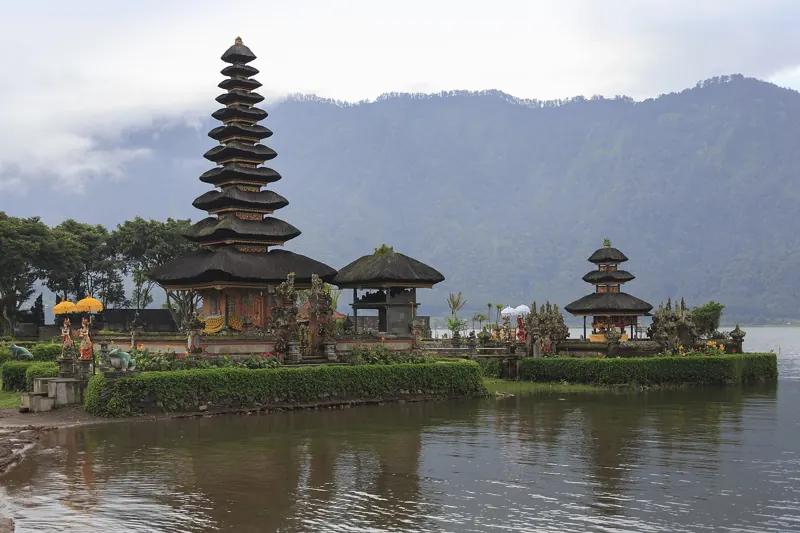
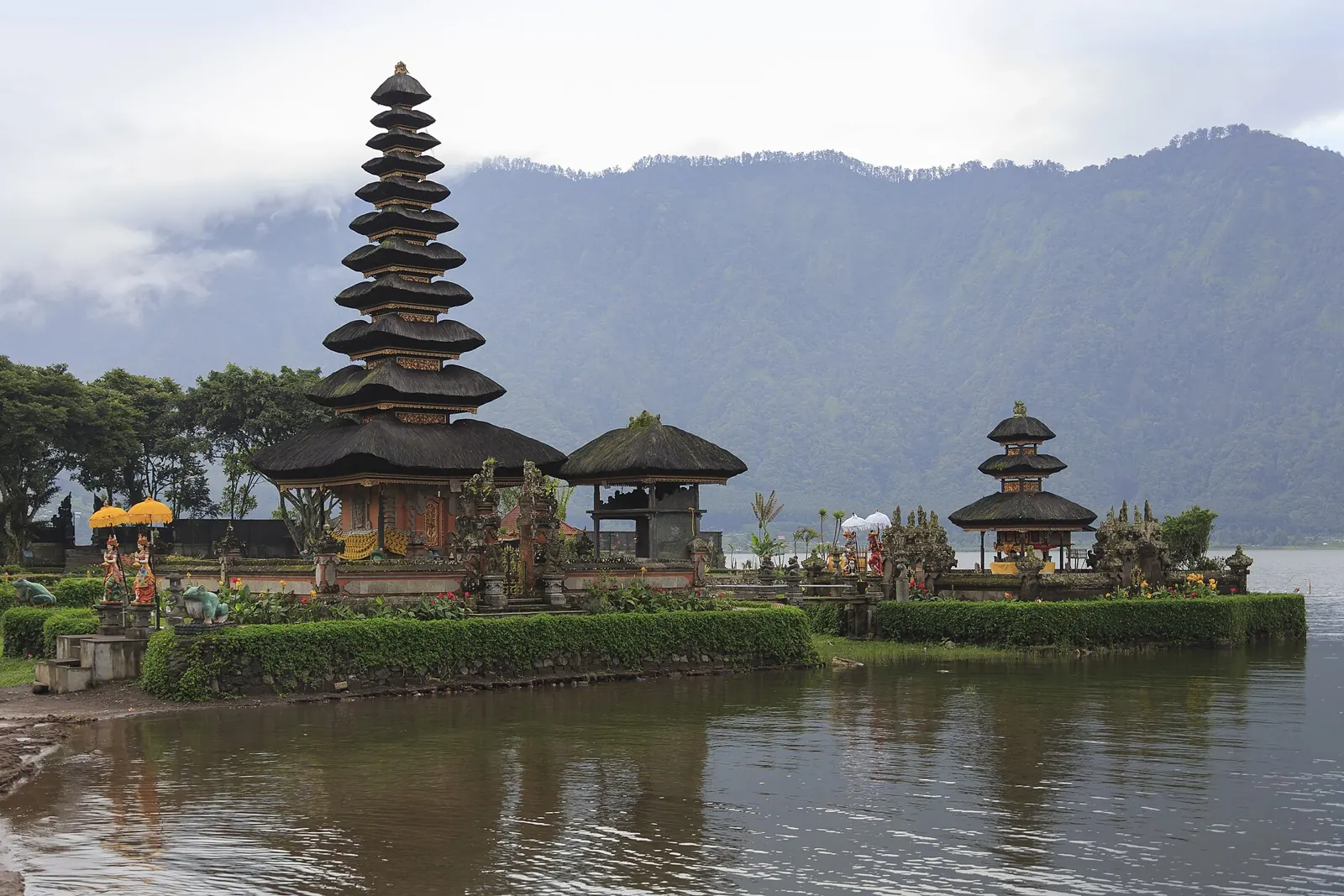
Bali is Southeast Asia’s most popular expat destination. An estimated 30,000 to 40,000 expats live across the island. Canggu, Ubud, and Sanur are the top retirement neighborhoods.
Rent in Canggu for a one-bedroom villa runs $500 to $800 per month. Ubud offers lower prices at $350 to $550. Bali’s coworking scene, wellness culture, and natural beauty attract retirees seeking an active lifestyle.
Jakarta, Indonesia
Jakarta is less popular with retirees but offers Indonesia’s best hospitals and infrastructure. Rent in South Jakarta’s expat neighborhoods costs $400 to $700. The city has heavy traffic, high humidity, and regular flooding during rainy season.
Most retirees choose Bali over Jakarta unless they need proximity to embassies, specialist healthcare, or business connections.
Healthcare: Vietnam vs Indonesia for Retirees
Vietnam’s major cities have better hospital infrastructure than most of Indonesia outside Jakarta. Both countries offer affordable care compared to the US, but quality varies sharply by location.
Vietnam hospitals:
- FV Hospital Ho Chi Minh City is JCI-accredited with English-speaking doctors and international patient services
- Vinmec International Hospital operates multiple locations in HCMC, Hanoi, and Da Nang with modern equipment
- Routine checkup costs run $30 to $80 without insurance
- Specialist consultations cost $40 to $100
Indonesia hospitals:
- BIMC Hospital Bali serves the expat community with 24/7 emergency services and English-speaking staff
- Siloam Hospitals operates across Indonesia with international standards in Jakarta and Bali
- Routine checkup costs run $25 to $70
- Specialist consultations cost $30 to $90
| Insurance Type | Vietnam | Indonesia |
|---|---|---|
| Local plan (basic) | $600–$1,500/year | $800–$1,800/year |
| International plan (comprehensive) | $3,000–$5,500/year | $3,500–$6,000/year |
| Out-of-pocket dental cleaning | $15–$30 | $20–$40 |
| Out-of-pocket MRI | $150–$300 | $200–$400 |
Vietnam’s advantage grows outside major cities. Provincial hospitals in Vietnam have improved through government investment. Rural Indonesian healthcare outside Java and Bali remains limited.
For serious medical issues, many expats in both countries fly to Bangkok or Singapore. Budget $1,000 to $3,000 for a medical evacuation trip to Thailand if needed. Read more about best international health insurance for retirees for provider comparisons.
Safety and Security: Vietnam vs Indonesia
Vietnam is one of the safest countries in Southeast Asia for foreign residents. Violent crime against expats is rare across the entire country. Indonesia is safe in popular expat areas but requires more awareness in crowded tourist zones.
Vietnam’s main safety concern is traffic. Motorbike accidents are the top risk for foreigners. Petty theft is uncommon in residential neighborhoods. Da Nang and Hanoi feel safe walking at any hour.
HCMC has more phone-snatching incidents than other Vietnamese cities. Keep your phone in your pocket while walking near roads. Beyond petty theft, Vietnam’s crime rate against foreigners is among the lowest in the region.
Indonesia’s safety varies by location. Bali is safe in expat areas like Canggu, Ubud, and Sanur. Petty theft and bag-snatching happen occasionally on busy streets.
Practical safety tips for both countries:
- Avoid motorbike accidents by wearing helmets and driving slowly, or use ride-hailing apps like Grab
- Store valuables in hotel safes rather than carrying them on the street
- Use registered transportation through Grab or Gojek instead of informal taxis
- Monitor natural disaster warnings in Indonesia (earthquakes, volcanic activity)
- Get travel insurance that covers medical evacuation to Singapore or Bangkok
Vietnam wins on overall safety. The country has lower crime rates and fewer natural disaster risks than Indonesia’s earthquake-prone archipelago.
Climate and Weather: Vietnam vs Indonesia Year-Round
Indonesia offers consistent tropical weather. Vietnam’s climate varies dramatically from north to south, giving retirees more seasonal options.
| Season | Vietnam (HCMC) | Vietnam (Da Nang) | Indonesia (Bali) |
|---|---|---|---|
| Jan–Mar | 77–95°F, dry | 68–82°F, cool | 75–86°F, wet |
| Apr–Jun | 82–100°F, hot | 77–95°F, hot | 77–90°F, dry |
| Jul–Sep | 77–93°F, rainy | 77–93°F, rainy | 75–86°F, dry |
| Oct–Dec | 75–90°F, rainy | 68–82°F, rainy | 77–90°F, wet |
Bali’s dry season from April through October offers ideal weather with temperatures between 75°F and 90°F. The wet season brings afternoon thunderstorms but remains warm.
Vietnam’s central coast (Da Nang, Hoi An) has a distinct cool season from November through February. HCMC stays hot year-round with a monsoon season from May to November.
Vietnam gives you climate choices. Prefer cooler weather? Head to Da Lat in the Central Highlands at 4,900 feet elevation with temperatures between 60°F and 75°F. Want tropical heat? Stay in HCMC or Nha Trang.
Indonesia’s weather is more predictable. Bali delivers warm tropical conditions every month. If you dislike seasonal variation, Indonesia is the simpler choice.
Expat Community: Vietnam vs Indonesia Social Life
Bali has the larger and more established expat retirement community. Vietnam’s expat scene is growing fast but trends younger and more work-focused.
Vietnam expat communities:
- HCMC expat groups on Facebook have 60,000+ members with active daily discussions
- Da Nang has approximately 15,000 expats with regular meetups, sports clubs, and volunteer groups
- The expat community skews younger with digital nomads and English teachers making up the majority
- Retirement-focused groups are smaller but growing, centered in Da Nang and Hoi An
Indonesia expat communities:
- Bali expat groups exceed 80,000 members across multiple Facebook communities
- Ubud and Sanur attract older, retirement-focused expats with wellness and arts communities
- Canggu trends younger with surfers, digital nomads, and entrepreneurs
- Regular expat events include markets, sports leagues, cultural activities, and wellness retreats
Bali offers more structured social infrastructure for retirees. The island has yoga studios, wellness retreats, art galleries, and surf schools that create natural gathering points.
Vietnam’s social scene requires more initiative. You will build your community through language exchanges, sports clubs, and regular visits to neighborhood cafes. Compare the Southeast Asia social dynamics in our Bali vs Chiang Mai comparison.
Food and Dining: Vietnam vs Indonesia Daily Meals
Vietnam wins on food quality, variety, and cost. Vietnamese cuisine is one of the most celebrated in the world. A full day of eating out in Vietnam costs $6 to $12. Indonesia runs $8 to $16.
| Meal Type | Vietnam | Indonesia (Bali) |
|---|---|---|
| Street food / local lunch | $1.50–$3 | $2–$4 |
| Mid-range restaurant | $4–$8 | $6–$12 |
| Western restaurant | $8–$15 | $10–$18 |
| Coffee shop latte | $1.50–$2.50 | $2–$4 |
| Beer (local) | $0.50–$1.50 | $2–$4 |
| Weekly groceries | $25–$40 | $35–$55 |
Vietnamese street food is legendary. Pho, banh mi, bun cha, and com tam are available on every block for under $3. The variety spans regional cuisines from north to south.
Indonesian food centers on rice-based dishes. Nasi goreng, mie goreng, and sate are staples available at warungs (local eateries) for $2 to $4. Bali adds international options at higher prices.
Beer costs matter for many retirees. Vietnam has some of the cheapest beer in the world at $0.50 to $1 for a local Bia Hoi or Saigon Beer. Indonesia’s alcohol taxes push beer prices to $3 to $5 at restaurants, making it one of the most expensive beer markets in Southeast Asia.
Internet and Infrastructure: Vietnam vs Indonesia
Vietnam has faster and more reliable internet than Indonesia. Speedtest Global Index data shows Vietnam ranking higher than Indonesia for fixed broadband speeds.
| Feature | Vietnam | Indonesia (Bali) |
|---|---|---|
| Home fiber speed | 80–150 Mbps | 50–100 Mbps |
| Monthly internet cost | $8–$15 | $15–$30 |
| Coworking spaces | Growing | Abundant (Bali) |
| Coworking monthly cost | $60–$120 | $100–$200 |
| Mobile data (30GB) | $5–$10 | $8–$15 |
| Power reliability | 99%+ | 95–98% (Bali) |
Vietnam’s internet infrastructure has improved rapidly. Fiber connections in HCMC and Da Nang deliver consistent speeds for video calls and streaming. Monthly costs run $8 to $15 for unlimited fiber.
Bali’s internet is adequate but less reliable. Power outages and rain-related disruptions happen more frequently than in Vietnam. Coworking spaces like Dojo Bali and Outpost provide backup connectivity.
Vietnam’s road infrastructure is better maintained. Indonesia’s Bali roads are narrow and congested, though Grab and Gojek make transportation convenient.
Tax Implications: Vietnam vs Indonesia for US Retirees
Indonesia’s territorial tax system creates a clear advantage for retirees with investment income. Vietnam taxes worldwide income for tax residents at progressive rates up to 35%. Indonesia uses a territorial approach that exempts most foreign-sourced passive income.
| Tax Factor | Vietnam | Indonesia |
|---|---|---|
| System | Progressive (worldwide) | Territorial |
| Tax residency trigger | 183+ days | 183+ days |
| Income tax rates | 5–35% progressive | 5–35% progressive |
| Social Security taxed? | Yes, if tax resident | Generally exempt |
| Capital gains | Taxed at 20% | Exempt if foreign-sourced |
| FBAR filing | Required for US citizens | Required for US citizens |
| Tax treaty with US | No (as of 2026) | Yes |
Indonesia’s territorial advantage: Foreign-sourced passive income, including Social Security, investment dividends, and capital gains, is generally not taxed in Indonesia. This makes a significant difference for retirees living on investment withdrawals.
Vietnam’s worldwide taxation: Once you spend 183+ days in Vietnam, the country taxes your global income. Social Security payments, pension income, and investment gains all face Vietnamese tax. Rates start at 5% and climb to 35% on income above roughly $33,000 per year.
Both countries require US citizens to file annual US tax returns and FBAR reports for foreign bank accounts exceeding $10,000. The IRS Foreign Earned Income Exclusion may apply to earned income. Use our expat tax estimator to model your situation.
Indonesia’s US tax treaty helps prevent double taxation. Vietnam lacks a comprehensive tax treaty with the United States as of 2026, which can complicate tax planning.
Consult a qualified expat tax professional before making residency decisions. Tax rules change, and individual situations vary.
The Honest Downsides
No country is perfect. Here are the real frustrations expats report in Vietnam and Indonesia.
Vietnam Downsides
No retirement visa is Vietnam’s biggest problem. You will run border trips every 90 days, spending $100 to $200 each time on flights to Cambodia or Thailand. This gets old fast after the first year.
Pollution in HCMC affects daily life. Air quality regularly hits unhealthy levels during dry season. Da Nang has cleaner air, but HCMC’s pollution is a genuine health concern for retirees with respiratory issues.
Language barriers are significant. Vietnamese is a tonal language that most Westerners find harder to learn than Indonesian. Government offices, hospitals outside major centers, and landlords rarely speak English.
Banking is restricted for foreigners. Opening a Vietnamese bank account requires a work permit or temporary residence card. Many retirees rely on ATM withdrawals and Wise transfers, paying $3 to $5 in fees per transaction.
Indonesia Downsides
The $130,000 visa deposit locks your capital in an Indonesian bank. That money earns low interest rates and cannot be easily moved. For retirees on lean FIRE budgets, this requirement eliminates the Second Home visa entirely.
Bali’s infrastructure struggles with growth. Traffic in Canggu and Seminyak is congested daily. Power outages happen several times per month. Waste management is a visible problem across the island.
Earthquake and volcanic risk is real. Bali sits in the Pacific Ring of Fire. Minor earthquakes are common. Mount Agung’s 2017 eruption displaced thousands. This risk is part of life in Indonesia.
Alcohol costs are high for Southeast Asia. Indonesia’s tax on alcohol makes a night out significantly more expensive than in Vietnam or Thailand. A bottle of imported wine costs $15 to $30 at a store.
Who Should Choose Vietnam
Vietnam is the better fit for retirees who prioritize rock-bottom costs, incredible food, and urban energy.
- Choose Vietnam if you want the lowest possible monthly expenses in Southeast Asia
- Choose Vietnam if you love world-class street food available on every corner for under $3
- Choose Vietnam if you are comfortable with 90-day visa runs and no long-term visa solution
- Choose Vietnam if you want fast, cheap internet for staying connected
- Choose Vietnam if you prefer a safe country with low crime rates
- Choose Vietnam if you enjoy the energy of a rapidly developing economy
Read our guide on retire in Thailand if you want a Southeast Asian option with a dedicated retirement visa, or compare Bangkok vs Chiang Mai costs for more regional perspective.
Who Should Choose Indonesia
Indonesia is the better fit for retirees who can afford the visa deposit and want Bali’s lifestyle benefits.
- Choose Indonesia if you have $130,000+ to deposit for a long-term Second Home visa
- Choose Indonesia if you want a large, established expat community with built-in social infrastructure
- Choose Indonesia if you value tropical island living with beaches, surfing, and wellness culture
- Choose Indonesia if you want territorial taxation that exempts foreign-sourced passive income
- Choose Indonesia if you prefer Bali’s spiritual and wellness-oriented lifestyle
- Choose Indonesia if you want a path to long-term residency without repeated border runs
Read our Bali vs Chiang Mai comparison for another popular Southeast Asia showdown. Check the Malaysia MM2H visa if Indonesia’s deposit requirement seems steep.
Final Verdict: Vietnam vs Indonesia for Retirement
Vietnam wins on budget, food, safety, and internet speed. If you want the cheapest comfortable retirement in Southeast Asia with world-class cuisine and fast connectivity, Vietnam delivers.
Indonesia wins on visa access, tax efficiency, and lifestyle. If you can afford the $130,000 Second Home deposit and want Bali’s tropical lifestyle with territorial taxation, Indonesia is your country.
For a retiree with $1,200 per month or less, Vietnam stretches further. At $1,500 or more per month, both countries offer good quality of life, and your decision comes down to visa willingness and lifestyle preference.
The smartest approach: spend 30 to 60 days in each country before committing. Test Da Nang and Bali back-to-back. The one that fits your personality will become obvious within the first two weeks.
Use our visa eligibility checker to see which visas you qualify for. Run the numbers through our geographic arbitrage calculator to see exactly how far your savings stretch in each country.
Frequently Asked Questions
Is Vietnam or Indonesia cheaper for retirement?
Vietnam is 10% to 20% cheaper than Indonesia across most categories. Housing, food, and transportation all cost less. A comfortable single retiree budget starts at $1,100 per month in Vietnam versus $1,200 in Indonesia. The gap widens if you drink alcohol, since Vietnam’s beer prices are among the lowest in the world.
Can I get a retirement visa for Vietnam?
No. Vietnam does not offer a dedicated retirement visa as of 2026. Most retirees use 90-day e-visas and make border runs to Cambodia, Laos, or Thailand every three months. Budget $100 to $200 per trip for flights and visa fees.
How much money do I need for Indonesia’s Second Home visa?
You need $130,000 (approximately 2 billion IDR) deposited in an Indonesian bank account. This deposit must remain in the account for the duration of the visa. The visa is valid for 5 years and renewable.
Is Vietnam safe for American retirees?
Yes. Vietnam is one of the safest countries in Southeast Asia for foreigners. Violent crime against expats is rare. The main risks are motorbike accidents and occasional phone snatching in HCMC. Da Nang and Hanoi feel particularly safe at all hours.
Which country has better healthcare?
Vietnam has stronger hospital infrastructure in its major cities, with JCI-accredited facilities like FV Hospital in HCMC and Vinmec International. Indonesia’s best care is in Jakarta, with BIMC Hospital serving Bali’s expat community. Both countries offer affordable care at 70% to 80% less than US prices.
Do I need to speak Vietnamese or Indonesian?
Basic language skills help in both countries. Indonesian (Bahasa Indonesia) is considered easier for English speakers to learn than Vietnamese. Vietnamese is tonal with six tones, making pronunciation challenging. English is more widely spoken in Bali than in Vietnamese cities outside major tourist areas.
How do taxes compare for US retirees?
Indonesia’s territorial tax system is more favorable for retirees with passive income. Foreign-sourced Social Security, investment gains, and pension income are generally exempt from Indonesian tax. Vietnam taxes worldwide income for residents at rates from 5% to 35%. Both countries require US citizens to file FBAR reports for foreign bank accounts.
Can I open a bank account as a retiree in either country?
Indonesia is easier. You can open an account at most major banks with your passport and KITAS or Second Home visa. Vietnam restricts bank accounts to residents with work permits or temporary residence cards. Most Vietnam-based retirees rely on ATMs, Wise, or international bank transfers for daily expenses.