Georgia sits at the crossroads of Europe and Asia, offering retirees something rare: a low-cost, low-tax lifestyle in a country that genuinely welcomes foreigners.
Over 12,000 expats now call Georgia home, with that number climbing steadily each year.
Here’s an honest, city-by-city breakdown to help you pick the right base for your retirement.
Why Retire in Georgia? A Quick Overview for 2026
Georgia delivers a retirement formula most countries stopped offering years ago: affordable living, zero tax on foreign income, and a full year of visa-free residency. The combination attracts retirees from the US, UK, and across Europe in growing numbers.
Visa-Free Entry and Residency Options
Citizens of 95+ countries enter Georgia without a visa and stay for 365 consecutive days. When your year expires, a quick trip across the Turkish or Armenian border resets the clock. Many retirees use this “border run” method for years without issue.
For a more permanent arrangement, Georgia offers several residency permit options:
- Short-term residency: Valid for 1 year, renewable. Requires proof of income or employment
- Long-term residency: Valid for 5 years. Requires owning property worth $100,000+ or running a business
- Investment residency: Available for property investments of $100,000 or more
- Pension-based residency: Proof of regular pension income supports your application
The residency permit application costs approximately $50-100 in government fees, with processing taking 30-45 days in 2026.
Tax Benefits for Retirees
Georgia’s territorial tax system is the headline feature for retirees. Foreign-source income, including pensions, Social Security payments, investment dividends, and rental income from properties abroad, faces zero Georgian tax.
You only pay Georgian tax on income earned inside Georgia. For most retirees living on foreign pensions and savings, this means an effective tax rate of 0%.
Overall Safety and Quality of Life
Georgia ranks among the safest countries in the Caucasus region and Eastern Europe. Street crime remains low across all three cities, and violent crime against foreigners is exceptionally rare.
- Georgians are famously hospitable. The culture of welcoming guests runs deep
- English proficiency is growing, especially among younger Georgians in Tbilisi and Batumi
- Infrastructure has improved dramatically since 2010, with modern roads, airports, and internet
- Food quality is outstanding. Fresh produce, local wine, and traditional cuisine are affordable and excellent
Tbilisi: The Capital City Experience
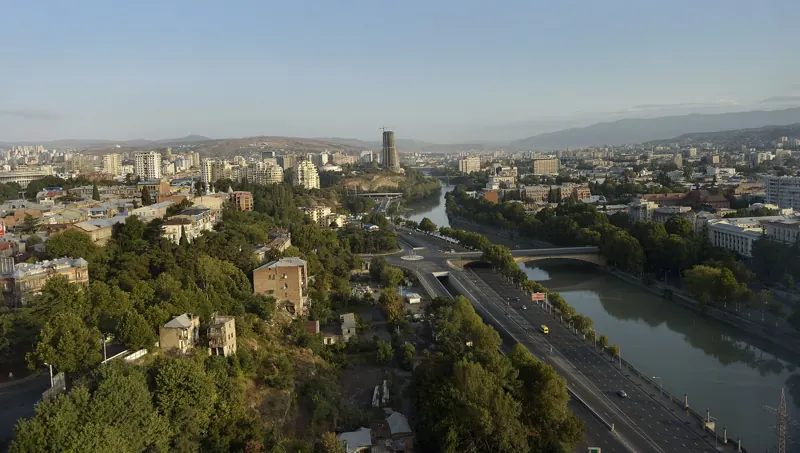
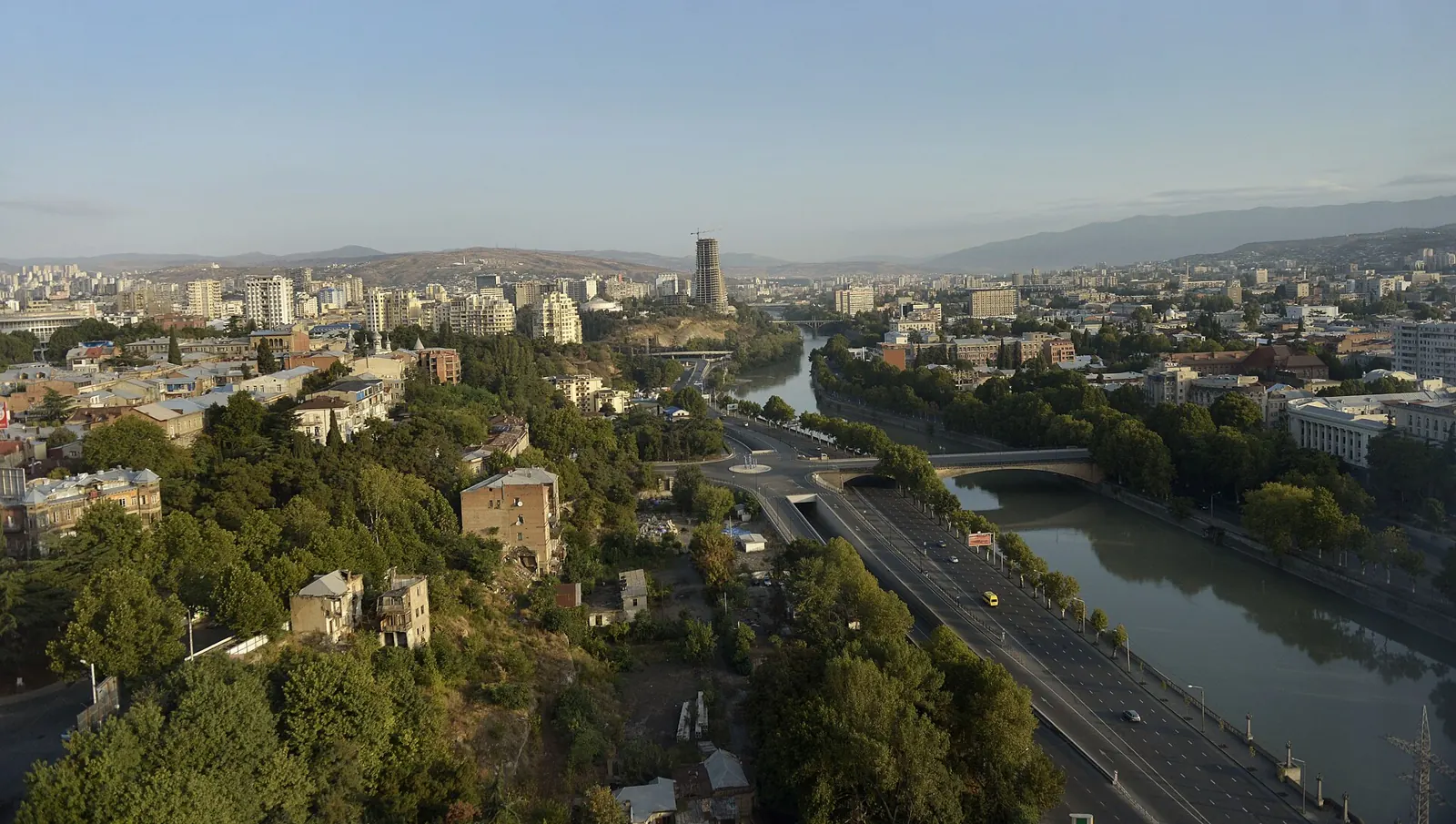
Tbilisi gives you the most complete urban retirement package in Georgia. You get international healthcare, a thriving expat community, world-class restaurants, and the kind of walkable old-city charm that keeps you exploring for years.
Cost of Living in Tbilisi 2026
Cost of living in Tbilisi runs higher than the other two cities but remains remarkably affordable by Western standards. A comfortable retiree lifestyle costs $800-1,200/month including rent.
| Expense | Monthly Cost (USD) |
|---|---|
| 1-bedroom apartment (center) | $350-500 |
| 1-bedroom apartment (outside center) | $250-350 |
| Groceries | $150-200 |
| Utilities (electric, water, gas, internet) | $60-90 |
| Dining out (moderate) | $100-150 |
| Transportation | $30-50 |
| Health insurance (private) | $50-80 |
Tbilisi’s rental market has tightened since 2023. Book longer leases directly with landlords rather than through Airbnb for the best rates.
Healthcare and Medical Facilities
Tbilisi offers the best healthcare infrastructure in Georgia. Several hospitals meet international standards, and you’ll find English-speaking doctors in most private clinics.
- Evex Medical Corporation operates multiple hospitals with modern equipment
- MediClub Georgia caters specifically to expats and medical tourists
- Dental care costs 60-80% less than in the US or UK
- Doctor visits range from $15-30 for general practitioners
- Specialist consultations run $30-60
Climate and Day-to-Day Life
Tbilisi experiences four distinct seasons with real variety. Summers hit 35-40°C (95-104°F), making July and August uncomfortably hot. Winters drop to 0-5°C (32-41°F) with occasional snow.
Spring (April-May) and autumn (September-October) are glorious. These months bring mild temperatures, clear skies, and the city at its most beautiful.
Daily life revolves around Tbilisi’s walkable Old Town, with sulfur baths, wine bars, art galleries, and restaurants tucked into every cobblestone lane. The city’s cable car, botanical garden, and hilltop fortress provide endless weekend exploration.
Expat Community and Social Scene
Tbilisi hosts the largest and most active expat community in Georgia. You’ll find regular meetups, Facebook groups, and organized events throughout the year.
- Weekly expat meetups at bars and restaurants in Vera and Vake districts
- International clubs for hiking, wine tasting, and language exchange
- Growing community of American, British, and European retirees
- Coworking spaces double as social hubs
Internet and Digital Infrastructure
Reliable high-speed internet averaging 50-100 Mbps makes Tbilisi comfortable for retirees who video call family, stream entertainment, or manage finances online. Fiber-optic coverage reaches most residential areas.
Major Georgian providers like Magti and Silknet offer unlimited home internet packages for $10-15/month.
Batumi: The Black Sea Coastal Option
Batumi offers something the other two cities don’t: a subtropical coastal lifestyle at prices that would shock anyone from Florida or the Mediterranean. The trade-off is a city with a split personality between its vibrant summer season and quieter winter months.
Cost of Living in Batumi 2026
Cost of living in Batumi drops below Tbilisi, especially for housing outside the peak summer season. Year-round retirees benefit most from $600-900/month budgets.
| Expense | Monthly Cost (USD) |
|---|---|
| 1-bedroom apartment (center) | $250-400 |
| 1-bedroom apartment (outside center) | $180-280 |
| Groceries | $120-170 |
| Utilities | $50-80 |
| Dining out | $80-120 |
| Transportation | $20-40 |
| Health insurance (private) | $50-80 |
Summer rental prices spike dramatically. Sign a 12-month lease to lock in lower rates, or negotiate directly with landlords who prefer stable tenants over seasonal tourists.
Healthcare Access
Batumi’s healthcare is adequate for routine care but lacks the depth of Tbilisi’s medical infrastructure. The city has several private clinics and a regional hospital for standard procedures.
- Routine doctor visits and basic diagnostics are available locally
- Complex surgeries, specialized treatments, and advanced diagnostics require a trip to Tbilisi (5 hours by car, 30 minutes by flight)
- Pharmacies stock common medications, many available without prescription
- Dental care is affordable and competent for standard procedures
Climate and Seasonal Considerations
Batumi’s subtropical climate delivers the mildest winters in Georgia. Winter temperatures stay around 5-10°C (41-50°F), rarely dropping below freezing. Summers are warm at 25-30°C (77-86°F) with high humidity.
The catch: Batumi receives significant rainfall, especially in autumn and winter. Annual precipitation exceeds 2,500mm, making it one of the wettest cities in the region. Rain-tolerant retirees thrive here. Others find the grey winter months challenging.
Expat Life and Activities
The seasonal resort dynamics shape everything about Batumi. Summer brings tourists, energy, beach culture, and a boardwalk promenade buzzing with activity. Winter turns the city quieter, more local, and more introspective.
- 7km Black Sea promenade for walking, cycling, and socializing
- Botanical garden ranks among the best in the Caucasus region
- Proximity to the Turkish border (20 minutes) for shopping and border-run visa renewals
- Casino district attracts visitors but stays contained to one area
- Growing number of year-round expats forming a tighter community than Tbilisi’s
Internet and Connectivity
Modern high-rise development in Batumi brought solid internet infrastructure along with it. Fiber connections delivering 40-80 Mbps are standard in newer buildings. Older Soviet-era apartments sometimes have slower connections.
Kutaisi: The Budget-Friendly Hidden Gem
Kutaisi retirement appeals to a specific type of retiree: someone who values authenticity over convenience, nature over nightlife, and stretching their budget as far as possible. Georgia’s second-largest city feels worlds apart from the tourist-facing energy of Tbilisi and Batumi.
Cost of Living in Kutaisi 2026
Kutaisi is the most affordable option among Georgia’s three main cities. A comfortable monthly budget runs $500-750, making it feasible for retirees on modest pensions.
| Expense | Monthly Cost (USD) |
|---|---|
| 1-bedroom apartment (center) | $150-250 |
| 1-bedroom apartment (outside center) | $100-180 |
| Groceries | $100-150 |
| Utilities | $40-60 |
| Dining out | $60-90 |
| Transportation | $15-30 |
| Health insurance (private) | $45-70 |
Those numbers make Kutaisi one of the cheapest retirement destinations in all of Europe. A couple living on $1,200/month would live comfortably here.
Healthcare Availability
Healthcare in Kutaisi is more limited than Tbilisi. The city has a regional hospital and several private clinics for routine medical needs.
- General practitioners and basic specialists are available
- Serious conditions, advanced imaging, or surgery should be addressed in Tbilisi (3-4 hour drive)
- Pharmacies are well-stocked for common medications
- Dental care remains affordable at $10-20 for basic procedures
Climate and Environment
Kutaisi sits in western Georgia with a moderate climate less extreme than Tbilisi in both directions. Summers reach 30-35°C (86-95°F) and winters hover around 2-7°C (36-45°F).
Rainfall is higher than Tbilisi but lower than Batumi. The surrounding countryside is green, lush, and dramatically beautiful year-round.
Lifestyle and Cultural Attractions
Kutaisi is Georgia’s cultural heart. The city offers deep historical roots that Tbilisi’s rapid modernization has partially paved over.
- Gelati Monastery (UNESCO World Heritage Site) sits 11km outside the city
- Bagrati Cathedral overlooks the city from a hilltop perch
- Prometheus Cave and Martvili Canyon are short day trips
- Caucasus mountain trailheads are within 1-2 hours by car
- Local bazaars sell fresh produce, cheese, and churchkhela at rock-bottom prices
Connectivity and Infrastructure
Kutaisi’s international airport serves as a Wizz Air hub, offering budget flights to dozens of European cities. This is a genuine advantage. You can fly to Athens, Budapest, or Berlin for under $50 each way.
Internet speeds average 30-60 Mbps in the city center, adequate for video calls and streaming. Coverage in surrounding villages drops significantly.
Side-by-Side Comparison: Tbilisi vs Batumi vs Kutaisi
This cost of living comparison puts all three cities next to each other so you can see exactly where your money goes.
Cost of Living Comparison Table
| Category | Tbilisi | Batumi | Kutaisi |
|---|---|---|---|
| Monthly rent (1BR, center) | $350-500 | $250-400 | $150-250 |
| Monthly groceries | $150-200 | $120-170 | $100-150 |
| Utilities + internet | $60-90 | $50-80 | $40-60 |
| Dining out | $100-150 | $80-120 | $60-90 |
| Transportation | $30-50 | $20-40 | $15-30 |
| Total monthly budget | $800-1,200 | $600-900 | $500-750 |
Climate Comparison
| Season | Tbilisi | Batumi | Kutaisi |
|---|---|---|---|
| Summer high | 35-40°C / 95-104°F | 25-30°C / 77-86°F | 30-35°C / 86-95°F |
| Winter low | 0-5°C / 32-41°F | 5-10°C / 41-50°F | 2-7°C / 36-45°F |
| Annual rainfall | Moderate | Very high | Moderate-high |
| Best months | Apr-May, Sep-Oct | May-Jun, Sep-Oct | Apr-Jun, Sep-Oct |
Healthcare Comparison
| Factor | Tbilisi | Batumi | Kutaisi |
|---|---|---|---|
| Hospital quality | International standard | Regional standard | Basic regional |
| English-speaking doctors | Common | Some | Rare |
| Specialist availability | Full range | Limited | Very limited |
| Emergency care | Excellent | Good | Adequate |
| Nearest advanced care | On-site | 5 hrs to Tbilisi | 3-4 hrs to Tbilisi |
Lifestyle and Entertainment
| Factor | Tbilisi | Batumi | Kutaisi |
|---|---|---|---|
| Expat community size | Large | Medium (growing) | Small |
| Restaurants/nightlife | Extensive | Seasonal | Limited |
| Cultural attractions | Museums, galleries, theater | Beach, boardwalk, botanical garden | UNESCO sites, caves, canyons |
| Nature access | Good (day trips) | Beach + mountains nearby | Excellent (Caucasus doorstep) |
| International flights | Major hub | Seasonal routes | Wizz Air budget hub |
Healthcare for Retirees in Georgia: What You Need to Know
Georgian healthcare surprises most Western retirees with its combination of low cost and reasonable quality. The private system handles the majority of expat medical needs, and prices remove the financial anxiety that dominates healthcare discussions back home.
Public vs Private Healthcare
The public system exists but serves mainly low-income Georgians. Expat retirees use private healthcare almost exclusively, and the costs are low enough that this feels natural rather than privileged.
- Private doctor visits: $15-30
- Specialist consultations: $30-60
- Basic blood panel: $20-40
- MRI scan: $100-200
- Hospital stay (per night): $50-150
Health Insurance Options for Expats
Health insurance comes in two flavors for Georgian retirees: local Georgian plans and international coverage.
- Local plans (GPI Holding, Aldagi) cost $50-80/month and cover care within Georgia
- International plans (Cigna Global, Allianz Care) cost $150-400/month depending on age and coverage level
- Some retirees skip insurance entirely and pay out-of-pocket, given the low costs
- Pre-existing conditions require international plans, as local insurers impose exclusions
Prescription Medications and Pharmacy Access
Georgian pharmacies stock a wide range of medications, and many drugs requiring prescriptions in the US or UK are available over the counter here. Antibiotics, blood pressure medications, and common maintenance drugs are affordable and accessible.
Bring a sufficient supply of specialized medications from home. Verify availability of your specific prescriptions before committing to a move.
Visa, Residency, and Legal Considerations in 2026
The legal framework for retiring in Georgia remains one of the simplest in the world. No retirement visa exists because you don’t need one. The standard visa-free entry covers most retirees’ needs.
Visa-Free Stay Rules
Citizens of 95+ countries receive 365 days upon arrival. No paperwork, no fees, no embassy visit. Your passport stamp is your authorization.
When your year expires:
- Cross into Turkey, Armenia, or Azerbaijan for a day
- Re-enter Georgia and receive a fresh 365-day period
- Many retirees have used this method for 5+ years without issue
- Georgia has not signaled any plans to restrict this practice in 2026
Residency Permit Options
For those wanting formal residency, Georgia offers clear pathways:
- Property investment: Buy real estate worth $100,000+ for a long-term permit
- Business registration: Establish a Georgian LLC with minimal capital requirements
- Income-based: Demonstrate regular pension or investment income
- Processing time: 30-45 days after document submission
- Legal assistance costs $300-500 for the full application process
Banking and Financial Setup
Opening a Georgian bank account as a foreigner is straightforward. You need your passport, a utility bill or rental agreement, and a small initial deposit.
- Bank of Georgia and TBC Bank are the two largest, with English-language apps and online banking
- International wire transfers work reliably through SWIFT
- Wise (formerly TransferWise) offers the best exchange rates for regular transfers from USD, GBP, or EUR
- Georgian lari (GEL) has remained relatively stable against major currencies
- ATMs are widespread in all three cities
Property ownership is open to foreigners with no restrictions on residential real estate. Agricultural land purchases by foreigners face restrictions, but apartments and houses are freely available.
Which Georgian City Is Right for Your Retirement?
The best city to retire in Georgia depends entirely on what you prioritize. Each city serves a different retirement vision, and the right answer is personal.
Choose Tbilisi If…
- You want the best healthcare access in Georgia
- An active expat community with regular social events matters to you
- You prefer urban amenities: restaurants, theaters, galleries, and nightlife
- You value having an international airport hub with direct flights to major cities
- You don’t mind hot summers and cold winters
- Your budget is $800-1,200/month
Choose Batumi If…
- Coastal living and beach access are your priority
- You dislike cold weather and want Georgia’s mildest winters
- Affordable waterfront apartments appeal to you
- You enjoy a quieter, more relaxed pace outside summer season
- Easy access to Turkey for shopping and travel is a plus
- Your budget is $600-900/month
Choose Kutaisi If…
- Stretching your retirement budget is the top priority
- You prefer authentic local culture over expat bubble life
- Mountain access and outdoor activities are important
- You value budget European flights through the Wizz Air hub
- A smaller, tighter community feels more comfortable than a large expat scene
- Your budget is $500-750/month
The Split-City Strategy
Many experienced Georgia retirees don’t pick one city. They rotate seasonally:
- Winter in Batumi for mild coastal weather
- Spring and autumn in Tbilisi for perfect temperatures and cultural events
- Summer in Kutaisi for mountain access and escaping Tbilisi’s heat
Short-term rentals and affordable domestic flights (under $30 between cities) make this strategy practical on a modest budget.
FAQ
Do I need a visa to retire in Georgia?
No. Citizens of 95+ countries enter visa-free for 365 days. You renew by making a brief trip across any border and re-entering. No formal retirement visa exists or is needed.
Is Georgia safe for retired expats?
Georgia consistently ranks among the safest countries in Eastern Europe and the Caucasus. Street crime is rare, violent crime against foreigners is extremely uncommon, and locals are famously welcoming to guests.
How do I receive my pension in Georgia?
Open a bank account at Bank of Georgia or TBC Bank with your passport and rental agreement. Transfer pension payments via SWIFT wire or use Wise for better exchange rates on regular transfers.
Do I need to speak Georgian to retire there?
No. English proficiency is growing, especially in Tbilisi and Batumi among younger residents. Restaurant menus, banking apps, and government services increasingly offer English options. Learning basic Georgian phrases will enrich your experience significantly.
What is the best time of year to visit Georgia before committing?
Visit in September or October to experience comfortable weather across all three cities. Plan 2-3 weeks to spend time in each city. Avoid July-August for your scouting trip, as Tbilisi’s heat and Batumi’s tourist crowds give an unrepresentative impression.
Are there English-speaking doctors in Georgia?
In Tbilisi, English-speaking doctors are common at private clinics like MediClub Georgia. Batumi has some English speakers in private practice. Kutaisi has few, so bring a translation app or hire a local interpreter for medical visits.
Is it worth buying property in Georgia as a retiree?
Apartment prices range from $25,000-40,000 in Kutaisi to $60,000-150,000 in central Tbilisi. Foreigners face no restrictions on residential property. Buying makes financial sense if you plan to stay 3+ years, as rental yields and low purchase prices compare favorably to renting.
What happens if I have a medical emergency in Kutaisi or Batumi?
Both cities have emergency services and regional hospitals for stabilization and standard emergencies. For complex trauma, cardiac events, or surgical emergencies requiring specialized equipment, air or ground transfer to Tbilisi takes 3-5 hours. International health insurance with evacuation coverage addresses this gap.