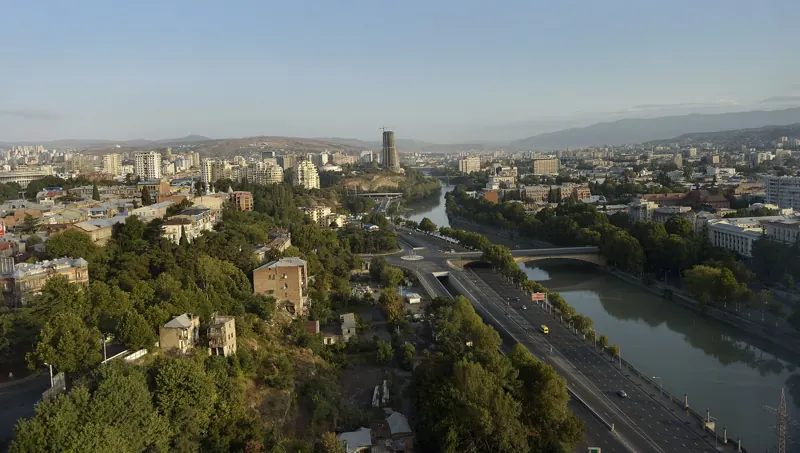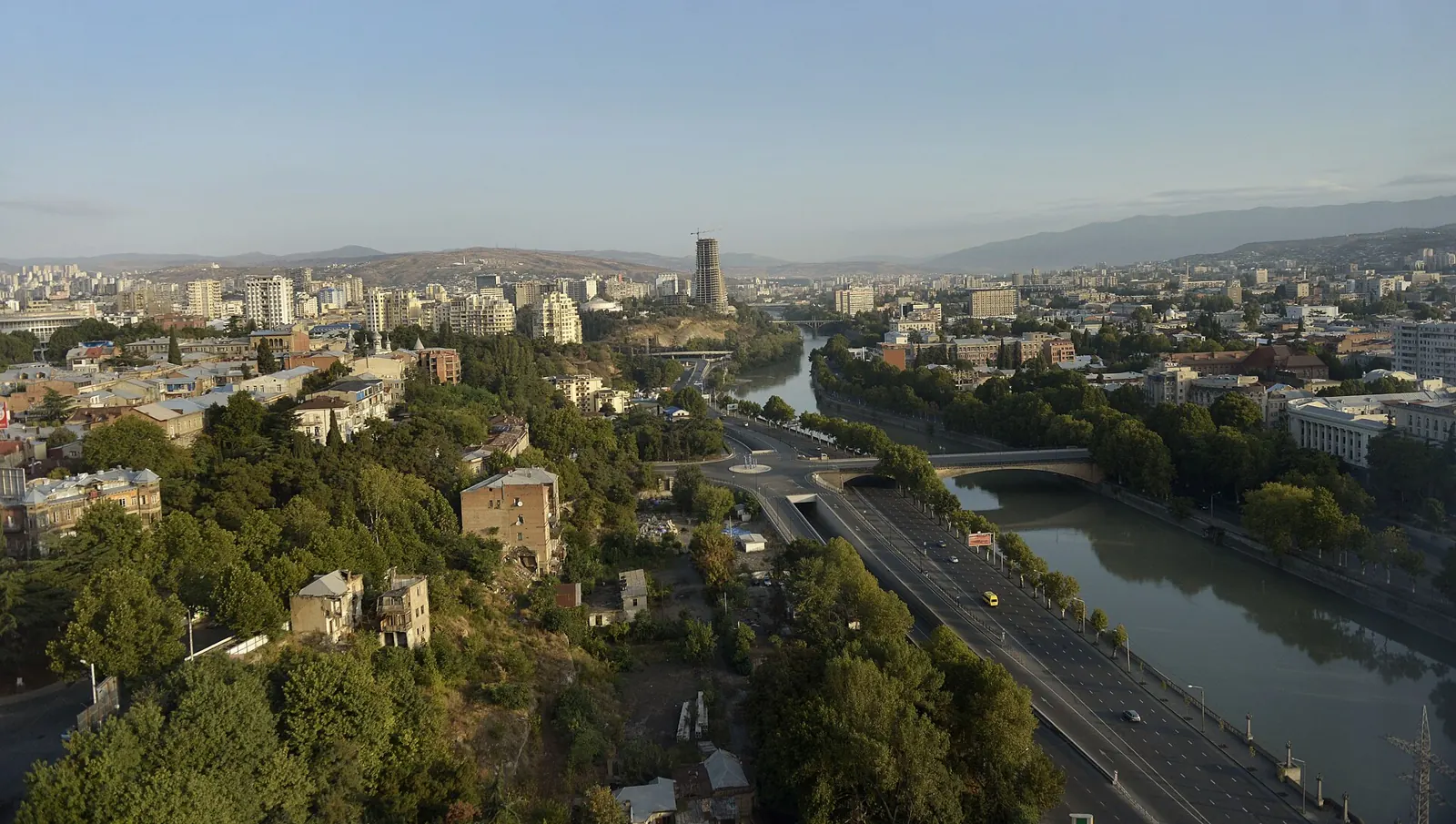
You have been saving for decades, and now the question is where your money goes furthest. Georgia vs Serbia for retirement is a matchup between two of Europe’s most underpriced countries, both offering a quality of life that costs a fraction of the US.
A single retiree can live comfortably in Tbilisi on $1,000 to $1,400 per month. Belgrade runs $1,300 to $1,800 per month. Both cities cost 60% to 70% less than any mid-tier American metro.
This guide compares costs, visas, healthcare, taxes, safety, and lifestyle across 12 categories. You will finish with a clear answer for your budget and priorities.
Quick Verdict: Georgia vs Serbia at a Glance
Georgia wins on budget and visa simplicity. Serbia wins on European positioning and nightlife culture. Your choice depends on how aggressively you want to cut costs.
| Category | Georgia (Tbilisi) | Serbia (Belgrade) | Winner |
|---|---|---|---|
| Monthly budget | $1,000–$1,400 | $1,300–$1,800 | Georgia |
| Visa-free stay | 365 days | 90 days (permit needed) | Georgia |
| Healthcare quality | Good, improving | Good | Tie |
| Safety | Excellent | Very good | Georgia |
| Climate | Four seasons, mild | Four seasons, continental | Tie |
| Expat community | Growing fast | Small but active | Georgia |
| Food costs | $2–4 per meal | $4–7 per meal | Georgia |
| Internet speed | 100–300 Mbps | 100–200 Mbps | Georgia |
| US time zone overlap | 8–9 hours ahead | 6 hours ahead | Serbia |
| Tax burden | Territorial (foreign income exempt) | 10–15% flat rates | Georgia |
Cost of Living: Georgia vs Serbia Monthly Budget
According to Numbeo’s cost of living data, Tbilisi costs 25% to 35% less than Belgrade across housing, food, and transportation. A single retiree can live well in Tbilisi on $1,200 per month. Belgrade requires closer to $1,500.
Here is what a $1,500 monthly budget looks like in each city:
| Expense | Tbilisi | Belgrade |
|---|---|---|
| Rent (1-bed, furnished) | $350–$500 | $500–$700 |
| Utilities | $40–$70 | $80–$120 |
| Groceries | $150–$250 | $200–$300 |
| Dining out (15 meals) | $40–$70 | $70–$110 |
| Transportation | $20–$40 | $40–$70 |
| Health insurance | $25–$80 | $50–$150 |
| Entertainment | $50–$100 | $80–$130 |
| Phone + Internet | $15–$25 | $25–$40 |
| Total | $690–$1,135 | $1,045–$1,620 |
The Georgia advantage is strongest in housing and food. A modern one-bedroom apartment in Tbilisi’s Vake or Vera neighborhoods rents for $400 to $500 per month. A comparable flat in Belgrade’s Vracar or Dorcol costs $550 to $700.
Local Georgian food is remarkably cheap. A full khinkali (dumpling) meal costs $3 to $5. A plate of khachapuri (cheese bread) runs $2 to $4. Belgrade’s local eateries charge $5 to $8 for a typical Serbian meal.
Western groceries close the gap. Imported cheese, olive oil, and specialty items cost similar amounts in both cities. If you eat local, Georgia wins by a wide margin. If you eat Western, the difference narrows.
Alcohol costs favor Georgia significantly. A bottle of excellent Georgian wine costs $3 to $7 at a shop. Serbian wine runs $4 to $10. Local beer costs about $1 in both countries.
Use our geographic arbitrage calculator to model your specific spending against both cities.
Visas and Legal Stay: Georgia vs Serbia for Americans
Georgia offers one of the most generous visa policies in the world for Americans. Georgia allows visa-free entry for 365 days, no questions asked. You fly in, get a stamp, and stay for a full year.
Serbia’s policy is far more restrictive. Americans get 90 days within a 180-day period visa-free. Staying longer requires a temporary residence permit.
| Requirement | Georgia | Serbia |
|---|---|---|
| Visa-free stay | 365 days | 90 days per 180 days |
| Extension method | Border run resets clock | Temporary residence permit |
| Residence permit | Available, not required for 1 year | Required for stays over 90 days |
| Income requirement | None for visa-free | Varies by permit type |
| Path to residency | 6-year path to permanent | 5-year path to permanent |
| Work permitted | Not on visa-free | Only with work permit |
Georgia’s visa-free stay key advantages:
- No application required. Show up with a US passport and stay 365 days
- Border run resets the clock. A quick trip to Turkey or Armenia starts a new 365-day period
- No income proof needed for the visa-free stay
- No health insurance requirement currently enforced for short stays
Read our full guide on the Georgia residence permit for long-term planning, or see the complete guide to retiring in Georgia for a broader overview.
Serbia’s temporary residence key considerations:
- 90-day limit requires planning for longer stays
- Temporary residence permit issued for 1 year, renewable
- Retirement income alone may not qualify as a legal basis for residence. You may need property ownership or other grounds
- Application takes 30 to 60 days to process
Georgia wins on visa flexibility by a wide margin. The 365-day visa-free policy makes it one of the easiest countries in the world for American retirees to try before committing.
Healthcare: Georgia vs Serbia Hospitals and Insurance
Both countries offer affordable healthcare, though quality varies between the capitals and smaller cities. Tbilisi has invested heavily in private hospital infrastructure. Belgrade has a stronger public hospital system with experienced specialists.
Tbilisi hospitals:
- American Hospital Tbilisi provides Western-standard care with English-speaking staff
- MediClub Georgia offers comprehensive outpatient and inpatient services
- Routine checkup costs run $30 to $60 without insurance
- Specialist consultations cost $25 to $50
Read our detailed healthcare in Georgia guide for provider comparisons and insurance strategies.
Belgrade hospitals:
- Clinical Center of Serbia is the largest medical complex in the Balkans
- MediGroup and Euromedik offer private care with modern equipment
- Routine checkup costs run $30 to $70 without insurance
- Specialist consultations cost $40 to $80
| Insurance Type | Georgia | Serbia |
|---|---|---|
| Local plan (basic) | $250–$500/year | $600–$1,200/year |
| International plan (comprehensive) | $2,500–$5,000/year | $3,000–$5,500/year |
| Out-of-pocket dental cleaning | $15–$30 | $25–$50 |
| Out-of-pocket MRI | $100–$250 | $150–$300 |
Georgia’s local health insurance is remarkably affordable. Basic plans from local providers start at $25 per month with decent coverage for hospital stays and outpatient visits.
Serbia requires health insurance for residence permit holders. The mandatory contribution is calculated as a percentage of income, typically running $50 to $150 per month depending on declared earnings.
Safety and Security: Georgia vs Serbia for Retirees
Georgia ranks among the safest countries in Europe and Central Asia for foreign residents. Tbilisi’s streets feel safe at any hour, and violent crime against expats is nearly nonexistent.
According to Numbeo’s safety index, Tbilisi scores higher than most Western European capitals on personal safety. The Old Town, Vake, Vera, and Saburtalo neighborhoods are all safe for walking day and night.
Serbia is also safe by European standards. Belgrade has a low violent crime rate, though petty theft in tourist areas occurs occasionally. The city center, Vracar, and Dorcol are safe neighborhoods for retirees.
Practical safety comparison:
- Georgia has one of the lowest crime rates in the region. Police presence is visible and professional. Corruption has dropped dramatically since the 2003 reforms
- Serbia is safe in major cities. Petty crime is slightly higher than Georgia. Football match days can bring rowdy crowds to certain neighborhoods
- Both countries are safe for solo travelers and retirees. Neither requires the constant street awareness that some Latin American destinations demand
Georgia edges ahead on safety. The country’s post-revolution reforms created a remarkably low-crime environment that surprises most first-time visitors.
Climate and Weather: Tbilisi vs Belgrade Year-Round
Both cities experience four distinct seasons. Tbilisi runs slightly warmer in summer and milder in winter. Belgrade gets colder winters with more gray days.
| Season | Tbilisi Temp | Tbilisi Rain | Belgrade Temp | Belgrade Rain |
|---|---|---|---|---|
| Jan–Mar | 30–55°F | Low | 25–50°F | Moderate |
| Apr–Jun | 55–85°F | Moderate | 50–80°F | Moderate |
| Jul–Sep | 70–95°F | Low | 65–90°F | Low |
| Oct–Dec | 40–65°F | Moderate | 35–55°F | Moderate |
Tbilisi’s summers are hot and dry, reaching 95°F in July and August. Winters are mild by Eastern European standards, rarely dropping below 25°F. Snow is uncommon in the city itself.
Belgrade’s winters are colder and grayer. January temperatures hover around 30°F, and snow falls several times per season. Summers are warm and pleasant, with outdoor cafe culture peaking from May through September.
Neither city has a “bad air season” like Chiang Mai’s burning season. Air quality is acceptable year-round in both capitals, though Tbilisi’s traffic can push pollution levels up during rush hour.
If you prefer milder winters and hot summers, Tbilisi is the better fit. If you prefer the rhythm of classic European seasons, Belgrade delivers. See how Tbilisi compares with other options in our Tbilisi vs Batumi vs Kutaisi comparison.
Expat Community: Georgia vs Serbia Social Scene
Georgia’s expat community has grown rapidly since 2022. Tbilisi now hosts an estimated 15,000 to 25,000 long-term foreign residents, driven by remote workers, entrepreneurs, and retirees attracted by the visa-free policy and low costs.
Tbilisi expat resources:
- Expats in Tbilisi Facebook group (20,000+ members) is the primary community hub
- Tbilisi Digital Nomads hosts regular meetups at coworking spaces and cafes
- Vake, Vera, and Saburtalo are the main expat neighborhoods with English-friendly services
- International meetups, language exchanges, and hiking groups provide structured social activities
Belgrade expat resources:
- Expats in Belgrade Facebook group (10,000+ members) serves as the main community
- Belgrade International Community organizes cultural events and social gatherings
- Vracar, Dorcol, and Stari Grad are popular expat neighborhoods
- Language exchange meetups and international pub nights happen weekly
Tbilisi’s community skews younger with many digital nomads and remote workers. Belgrade’s expat community is smaller but includes a mix of professionals, artists, and a growing number of retirees from neighboring countries.
Both cities offer enough social infrastructure to build connections within your first month. Compare these options with our Budapest vs Tbilisi analysis for a broader European perspective.
Food and Dining: Georgia vs Serbia Daily Meals
Georgia wins on food costs and culinary variety. A full day of eating out in Tbilisi costs $8 to $15. The same in Belgrade runs $15 to $25.
| Meal Type | Tbilisi | Belgrade |
|---|---|---|
| Street food / local lunch | $2–$4 | $4–$7 |
| Mid-range restaurant | $5–$10 | $8–$15 |
| Western restaurant | $8–$15 | $12–$20 |
| Coffee shop latte | $1.50–$2.50 | $2–$3 |
| Beer (local) | $1–$2 | $1.50–$2.50 |
| Weekly groceries | $25–$40 | $40–$60 |
Georgian cuisine is one of the most underrated in the world. Khinkali (soup dumplings), khachapuri (cheese-filled bread), lobio (bean stew), and dozens of grilled meat dishes are all available for under $5 at local restaurants.
Serbian cuisine centers on hearty grilled meats and Balkan staples. Cevapi (grilled meat sausages), pljeskavica (Serbian burger), and sarma (cabbage rolls) are filling and affordable at $5 to $8 per plate.
Both countries have outstanding wine cultures. Georgia claims to be the birthplace of wine with 8,000 years of winemaking tradition. Serbian wine regions produce excellent reds. A quality bottle costs $3 to $7 in Georgia and $5 to $10 in Serbia.
The farmer’s market culture is strong in both cities. Fresh produce, cheese, bread, and cured meats at Tbilisi’s Dezerter Bazaar or Belgrade’s Zeleni Venac market cost a fraction of supermarket prices.
Internet and Infrastructure: Georgia vs Serbia
Both cities offer reliable internet and modern urban infrastructure. Tbilisi has invested heavily in fiber networks. Belgrade benefits from Serbia’s strong IT sector driving infrastructure upgrades.
| Feature | Tbilisi | Belgrade |
|---|---|---|
| Home fiber speed | 100–300 Mbps | 100–200 Mbps |
| Monthly internet cost | $10–$20 | $15–$25 |
| Coworking spaces | 15+ | 20+ |
| Coworking monthly cost | $80–$150 | $100–$180 |
| Mobile data (30GB) | $5–$10 | $8–$15 |
| Power reliability | 99%+ | 99%+ |
Tbilisi’s coworking scene has expanded rapidly. Impact Hub Tbilisi, Terminal, and numerous independent spaces serve the growing remote worker community. Most cafes offer free WiFi with decent speeds.
Belgrade has a mature tech scene with excellent coworking options. Nova Iskra, Smart Office, and Impact Hub Belgrade cater to professionals. The city’s IT sector ensures strong internet infrastructure throughout.
Public transportation favors Belgrade. The city has an extensive bus and tram network covering most neighborhoods. Tbilisi has a metro system with two lines plus buses, though coverage is less comprehensive than Belgrade’s network.
Both cities have reliable 4G coverage. Power outages are rare in either capital. For retirees who work part-time online, both cities deliver the connectivity you need.
Tax Implications: Georgia vs Serbia for US Retirees
Georgia’s territorial tax system is its biggest financial advantage. Non-residents pay zero tax on foreign-sourced income. Serbia taxes worldwide income for residents at a flat 10% on employment income, with capital gains taxed at 15%.
| Tax Factor | Georgia | Serbia |
|---|---|---|
| System | Territorial | Worldwide (for residents) |
| Tax residency trigger | 183+ days | 183+ days |
| Income tax rates | 20% flat (on Georgian-source income) | 10% flat |
| Foreign pension income | Not taxed (non-residents) | Taxed at 10% (residents) |
| Capital gains | Not taxed (foreign-source) | 15% |
| FBAR filing | Required for US citizens | Required for US citizens |
| Tax treaty with US | No | No |
Georgia’s territorial advantage: If you stay under 183 days or structure your affairs as a non-resident, your foreign pension, Social Security, and investment income face zero Georgian tax. Even as a tax resident, Georgia’s system favors those with non-Georgian income sources through its Individual Entrepreneur status that can reduce rates to 1% on qualifying income.
Serbia’s flat tax system: Once you become a tax resident (183+ days), Serbia taxes your worldwide income at 10%. Capital gains face a 15% rate. Social contributions add another 24% for pension and 10.3% for health insurance on employment income.
Both countries require US citizens to file annual US tax returns and FBAR reports for foreign bank accounts exceeding $10,000. The IRS Foreign Tax Credit can offset taxes paid to either country.
Georgia’s territorial system is simpler and more favorable for most retirees living on pensions and investment income. Serbia’s flat 10% rate is competitive but adds up when combined with social contributions. Compare Georgia’s tax advantages with other territorial systems in our Panama territorial tax guide or Uruguay territorial tax guide.
Consult a qualified expat tax professional before making residency decisions based on tax planning. Rules change, and individual situations vary.
The Honest Downsides
No country is perfect for retirement. Here are the real frustrations expats report in each location.
Georgia Downsides
Infrastructure outside Tbilisi drops off significantly. Roads in rural areas can be rough. Hospitals outside the capital lack modern equipment and English-speaking staff.
Language barriers are real. Georgian script is unique and difficult to learn. English proficiency is growing among younger Georgians but remains limited among older residents and government officials.
Banking as a foreigner can be challenging. Georgian banks have tightened requirements for non-resident accounts. Some expats report needing a residence permit before banks will open accounts.
Geopolitical uncertainty deserves honest acknowledgment. Georgia shares a border with Russia, and the occupied territories of South Ossetia and Abkhazia remain unresolved. This does not affect daily life in Tbilisi but is a factor for long-term planning.
Serbia Downsides
Visa limitations create hassle for Americans. The 90-day visa-free window means you need a residence permit for any serious stay. The application process requires paperwork and patience.
Air quality in Belgrade can be poor during winter months. Coal heating in surrounding areas pushes pollution levels up from November through February. Check IQAir’s Belgrade readings before committing to a winter stay.
Bureaucracy moves slowly. Government offices often lack English-speaking staff. Expect multiple visits and a local contact or lawyer to navigate permit applications.
Noise levels in Belgrade’s center are higher than most retirees expect. The city’s vibrant nightlife, traffic, and construction create a constant urban soundtrack. Quieter neighborhoods like Dedinje or Zemun offer relief.
Who Should Choose Georgia
Georgia is the better fit for retirees who prioritize ultra-low costs, tax efficiency, and maximum visa flexibility.
- Choose Georgia if you want the lowest possible monthly expenses in a European-adjacent country
- Choose Georgia if you want a full year of visa-free living with zero paperwork
- Choose Georgia if you have foreign-sourced income and want to minimize tax exposure through the territorial system
- Choose Georgia if you love wine culture and want $3 bottles from the birthplace of wine
- Choose Georgia if you value safety and a remarkably low crime rate
- Choose Georgia if you enjoy dramatic mountain landscapes and outdoor activities within easy reach
- Choose Georgia if you want an affordable base for exploring Turkey, Armenia, and Central Asia
Read our full guide to retiring in Georgia for comprehensive planning, or compare Tbilisi living costs for a detailed budget breakdown. You can also explore how Tbilisi stacks up against Asian options in our Chiang Mai vs Tbilisi or Hanoi vs Tbilisi comparisons.
Who Should Choose Serbia
Serbia is the better fit for retirees who want a European lifestyle with Balkan affordability and closer US time zone alignment.
- Choose Serbia if you want a Central European city with cosmopolitan culture at Balkan prices
- Choose Serbia if you prefer closer time zone alignment with the US East Coast (6 hours vs 8-9)
- Choose Serbia if you value a vibrant social scene with world-class nightlife and cafe culture
- Choose Serbia if you plan to travel frequently across Europe using Belgrade’s well-connected airport
- Choose Serbia if you speak or want to learn a Slavic language (Serbian is easier than Georgian)
- Choose Serbia if you enjoy hearty Balkan cuisine and a strong coffee culture
- Choose Serbia if you want access to EU healthcare across the border in Hungary or Croatia
See how Belgrade compares with other Balkan options in our Sofia vs Belgrade analysis, or explore the broader regional picture in our Europe vs Asia retirement comparison.
Final Verdict: Georgia vs Serbia for Retirement
Georgia wins on budget, visa flexibility, and tax efficiency. If your priority is stretching every dollar while paying minimal taxes and enjoying hassle-free residency, Tbilisi is your city. The 365-day visa-free policy alone makes Georgia uniquely accessible.
Serbia wins on European integration, nightlife, and cultural familiarity. If you want a more Western European feel at Balkan prices with easy access to EU countries, Belgrade delivers a cosmopolitan experience.
For a retiree with $1,500 per month or less, Georgia provides a significantly more comfortable margin. At $2,000 or more per month, both countries offer excellent quality of life and your decision comes down to lifestyle preference.
The smartest approach: spend 30 to 60 days in each country before committing. Georgia’s 365-day visa-free entry makes a trial period effortless. Serbia’s 90-day window gives you enough time to test the waters.
Use our retirement visa eligibility checker to confirm which visas you qualify for, then run the numbers through our geographic arbitrage calculator to see exactly how far your savings stretch in each country. If you are considering an ultra-lean budget, see our guide to retiring abroad on $1,500 per month.
Frequently Asked Questions
Is Georgia or Serbia cheaper for retirement?
Georgia is 25% to 35% cheaper than Serbia across most categories. Housing, food, and transportation all cost less in Tbilisi. A comfortable single retiree budget starts at $1,000 per month in Georgia versus $1,300 in Serbia.
Can Americans stay in Georgia for a full year without a visa?
Yes. Georgia grants citizens of 95+ countries, including the US, 365 days of visa-free entry. You receive a stamp on arrival with no application, no income proof, and no insurance requirement. A border run to Turkey or Armenia resets the clock for another year.
Do I need a residence permit to retire in Serbia?
Yes, if you plan to stay longer than 90 days within a 180-day period. Serbia requires a temporary residence permit for extended stays. Note that retirement income alone may not qualify as a legal basis. You may need property ownership or another approved ground to obtain the permit.
How does Georgia’s territorial tax system benefit retirees?
Georgia does not tax foreign-sourced income for non-residents. If you stay under 183 days or maintain non-resident status, your US pension, Social Security, and investment income face zero Georgian tax. This makes Georgia one of the most tax-efficient retirement destinations in the world.
Is Tbilisi safe for American retirees?
Tbilisi is one of the safest capitals in Europe. Violent crime against foreigners is nearly nonexistent. The city ranks higher on safety indices than most Western European capitals. You can walk safely in any neighborhood at any hour with minimal concern.
Which country has better healthcare for retirees?
Both countries offer affordable healthcare, but quality differs. Belgrade has stronger public hospitals with more experienced specialists. Tbilisi has newer private facilities with English-speaking staff. Out-of-pocket costs are lower in Georgia, where a specialist visit costs $25 to $50 versus $40 to $80 in Serbia.
Can I open a bank account in Georgia or Serbia as a retiree?
Georgia has tightened banking requirements for foreigners. Some banks now require a residence permit or proof of income. Serbia allows foreigners to open accounts with a passport and temporary residence permit. In both countries, having a local contact or lawyer simplifies the process.
How do flights to the US compare from Tbilisi vs Belgrade?
Belgrade to New York is approximately 10 to 12 hours with one connection, usually through Istanbul, Frankfurt, or Vienna. Tbilisi to New York requires 14 to 18 hours with at least one connection. Belgrade has a meaningful advantage on travel time and flight frequency to the US.