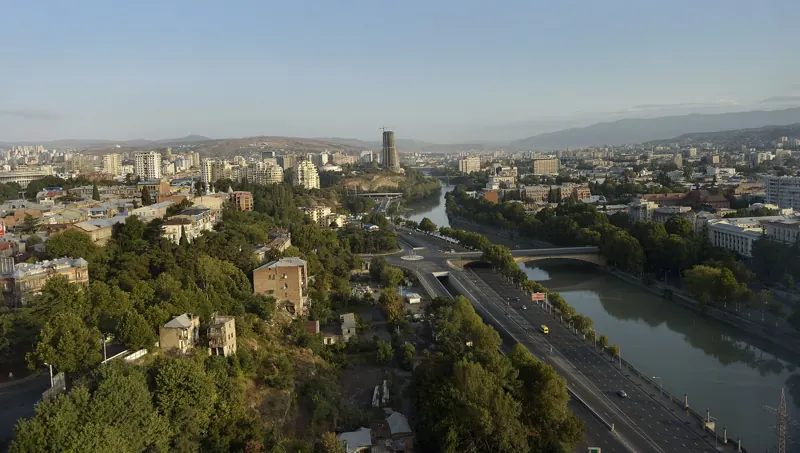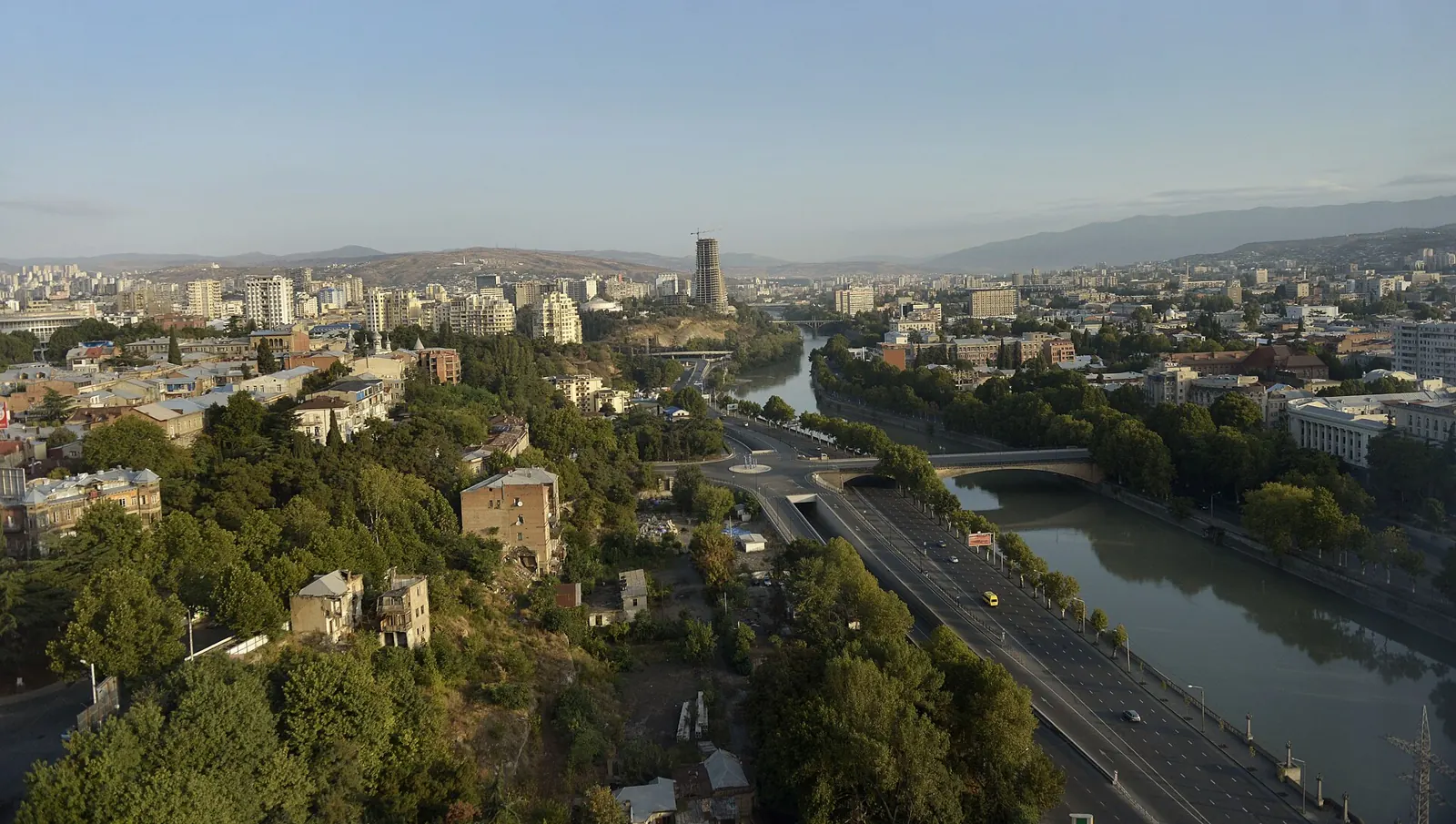
You have $500,000 saved and want it to last 30 years. In the US, that math is terrifying. In Hanoi or Tbilisi, it is comfortable.
Hanoi vs Tbilisi for early retirement comes down to two of the cheapest cities on earth for Western retirees. A single retiree can live well in Hanoi on $1,100 per month. Tbilisi costs even less at $1,000 per month.
This guide compares costs, visas, healthcare, taxes, food, safety, and quality of life across 14 categories. You will know which city fits your budget and lifestyle by the end.
Quick Verdict: Hanoi vs Tbilisi at a Glance
Both cities rank among the most affordable retirement destinations worldwide. Your decision hinges on visa access, climate preference, and cuisine tolerance.
| Category | Hanoi | Tbilisi | Winner |
|---|---|---|---|
| Monthly budget | $1,000–$1,300 | $900–$1,200 | Tbilisi |
| Retirement visa | No long-term option | 1 year visa-free | Tbilisi |
| Healthcare quality | Good | Good | Tie |
| Safety | Excellent | Excellent | Tie |
| Climate | Hot, humid summers | Four seasons | Tbilisi |
| Expat community | Growing | Small but tight | Hanoi |
| Food costs | $1–3 per meal | $2–4 per meal | Hanoi |
| Internet speed | 80–150 Mbps | 50–100 Mbps | Hanoi |
| US time zone overlap | 0 hours | 8–9 hours | Tbilisi |
| Tax burden | Territorial | Territorial | Tie |
Cost of Living: Hanoi vs Tbilisi Monthly Budget
Tbilisi edges ahead as the cheaper option overall. According to Numbeo’s cost of living data, Tbilisi costs 10% to 15% less than Hanoi across housing and transportation.
Here is what a $1,200 monthly budget looks like in each city:
| Expense | Hanoi | Tbilisi |
|---|---|---|
| Rent (1-bed, furnished) | $350–$500 | $300–$450 |
| Utilities | $40–$70 | $30–$60 |
| Groceries | $150–$200 | $120–$180 |
| Dining out (15 meals) | $30–$60 | $40–$70 |
| Transportation | $30–$50 | $20–$40 |
| Health insurance | $100–$180 | $80–$150 |
| Entertainment | $50–$100 | $50–$100 |
| Phone + Internet | $15–$25 | $10–$20 |
| Total | $765–$1,185 | $650–$1,070 |
Hanoi’s advantage is street food. A bowl of pho costs $1.50. A full banh mi sandwich costs $0.75 to $1.50. No city on earth matches Hanoi for cheap, delicious daily eating.
Tbilisi wins on rent and alcohol. A modern one-bedroom apartment in Vake or Saburtalo rents for $300 to $400 per month. Local wine costs $3 to $5 per bottle at grocery stores. Georgia produces excellent wine at rock-bottom prices.
Western groceries cost more in both cities compared to local options. Imported cheese and specialty items run $5 to $10 regardless of location.
Use our geographic arbitrage calculator to model your specific spending against both cities.
Food and Daily Life: Pho vs Khinkali
Hanoi wins on food costs and variety by a clear margin. A full day of eating out in Hanoi costs $5 to $10. The same in Tbilisi runs $8 to $15.
| Meal Type | Hanoi | Tbilisi |
|---|---|---|
| Street food / local lunch | $1–$2 | $2–$4 |
| Mid-range restaurant | $3–$7 | $5–$10 |
| Western restaurant | $8–$15 | $8–$15 |
| Coffee shop latte | $1.50–$2.50 | $1.50–$3 |
| Beer (local) | $0.50–$1.50 | $1–$2 |
| Weekly groceries | $25–$40 | $25–$45 |
Vietnamese cuisine is among the healthiest in the world. Pho, bun cha, banh mi, and fresh spring rolls dominate daily meals. Fresh herbs and vegetables appear in nearly every dish.
Georgian cuisine centers on hearty, filling food. Khinkali (dumplings), khachapuri (cheese bread), and grilled meats are staples. Portions are generous. A plate of 5 khinkali costs $2 to $3 at a local restaurant.
Both cities have growing cafe cultures. Hanoi’s egg coffee is famous. Tbilisi’s specialty coffee scene has exploded since 2020.
Georgian wine deserves special mention. The country has 8,000 years of winemaking tradition. A bottle of excellent Saperavi costs $4 to $8 at a shop. Try achieving that in any other wine-producing country.
Visa and Residency: Vietnam vs Georgia
Georgia wins this category decisively. Citizens of 95 countries, including the US, can stay in Georgia for 365 days visa-free. No application, no paperwork, no bank deposit. You land and get one full year.
| Requirement | Vietnam | Georgia |
|---|---|---|
| Visa-free stay | 45 days (e-visa: 90 days) | 365 days |
| Long-term visa | No retirement visa exists | 1-year visa-free, renewable by exit/re-entry |
| Income requirement | N/A | None |
| Bank deposit | N/A | None |
| Path to residency | Investor visa ($100K+) | Residence permit available |
| Work permitted | Work permit required | Freelance allowed |
Vietnam visa limitations:
- No retirement visa exists in Vietnam as of 2026
- E-visa allows 90-day single-entry stays via the Vietnam e-visa portal
- Visa runs every 90 days to a neighboring country are common among long-term expats
- Business visa (DN) requires a Vietnamese company sponsor
- Investor visa requires a minimum $100,000 investment in a Vietnamese company
Read our guide on retiring in Southeast Asia for alternative visa strategies in the region.
Georgia visa advantages:
- 365 days visa-free for US, EU, UK, Canadian, and Australian citizens per Georgia’s MFA
- No income proof or bank statement required
- Renewable by making a brief trip to a neighboring country (Turkey or Armenia) and re-entering
- Residence permit available for those who want permanent status
- Freelance income is not restricted during visa-free stay
Georgia’s visa policy is the most generous in the world for retirees. No other country offers a full year with zero paperwork.
Healthcare: Hanoi vs Tbilisi Hospitals and Insurance
Both cities provide adequate healthcare at low costs, but neither matches Thailand or Colombia for international hospital quality. Hanoi has a slight edge with more international-standard facilities.
Hanoi hospitals:
- Vinmec International Hospital offers JCI-accredited care with English-speaking doctors and modern equipment
- French Hospital Hanoi provides European-standard care with bilingual staff
- Routine checkup costs run $30 to $60 without insurance
- Specialist consultations cost $40 to $80
Tbilisi hospitals:
- MediClub Georgia is the leading private hospital with international standards and English-speaking staff
- Todua Clinic offers comprehensive diagnostics and specialist care
- Routine checkup costs run $20 to $50
- Specialist consultations cost $30 to $70
| Insurance Type | Hanoi | Tbilisi |
|---|---|---|
| Local plan (basic) | $600–$1,500/year | $400–$1,000/year |
| International plan (comprehensive) | $3,000–$5,500/year | $2,500–$5,000/year |
| Out-of-pocket dental cleaning | $15–$30 | $20–$40 |
| Out-of-pocket MRI | $100–$250 | $80–$200 |
Tbilisi’s private healthcare system has improved rapidly. Many Georgian doctors trained in Germany, France, or the US. Medical tourism for dental work and diagnostics is growing.
Read more about healthcare planning for expats to compare insurance strategies across destinations.
Safety and Security: Hanoi vs Tbilisi for Retirees
Both cities are remarkably safe for foreign retirees. Violent crime against expats is extremely rare in either location.
Hanoi is one of the safest major cities in Asia. Petty theft is uncommon outside tourist zones. The main safety concern is traffic. Hanoi’s motorbike-dominated streets require constant awareness when crossing roads.
Tbilisi is one of the safest capitals in Europe. According to Numbeo’s safety index, Tbilisi scores higher than most Western European capitals on personal safety. Walking alone at night is comfortable in central neighborhoods.
Practical safety notes for Hanoi:
- Traffic is the primary risk. Over 6 million motorbikes create chaotic road conditions
- Cross streets slowly and predictably. Traffic flows around you if you walk steadily
- Petty scams exist in tourist areas (Old Quarter) but are rare in residential neighborhoods
- Air quality is a concern during winter months with AQI readings above 150
Practical safety notes for Tbilisi:
- Stray dogs are the most common safety nuisance, not crime
- Driving is aggressive by Western standards, but pedestrian infrastructure is solid in central areas
- Nightlife areas (Rustaveli, Old Town) are safe even late at night
- Political protests occasionally occur near Parliament but remain peaceful
Both cities earn top marks for personal safety. Neither requires the street-awareness you would need in Medellín or Manila.
Climate and Weather: Hanoi vs Tbilisi Year-Round
Tbilisi offers a more comfortable year-round climate for most Western retirees. Hanoi’s summers are punishingly hot and humid.
| Season | Hanoi Temp | Hanoi Humidity | Tbilisi Temp | Tbilisi Conditions |
|---|---|---|---|---|
| Jan–Mar | 55–70°F | High | 30–50°F | Cold, occasional snow |
| Apr–Jun | 75–95°F | Very high | 55–85°F | Warm, pleasant |
| Jul–Sep | 85–100°F | Extreme | 75–95°F | Hot, dry |
| Oct–Dec | 60–80°F | Moderate | 40–65°F | Cool, mild |
Hanoi’s summer (June through September) combines 95°F+ temperatures with 85% to 95% humidity. Air conditioning is essential. Power bills spike during these months. Many expats leave Hanoi for cooler destinations in summer.
Tbilisi has genuine four seasons. Winters are cold but mild by Eastern European standards. Spring and fall are comfortable. Summer is hot and dry, which most people prefer to Hanoi’s heavy humidity.
If you dislike extreme heat and humidity, Tbilisi is the clear choice. If you prefer warm weather year-round and tolerate humidity, Hanoi works for 8 months of the year.
Tax Implications: Vietnam vs Georgia for US Retirees
Both countries use territorial tax systems, which is a significant advantage for US retirees living on savings, pensions, and investment income.
| Tax Factor | Vietnam | Georgia |
|---|---|---|
| System | Territorial | Territorial |
| Tax residency trigger | 183+ days | 183+ days |
| Income tax rates | 5–35% progressive | 20% flat rate |
| Foreign-sourced income taxed? | No (if not remitted) | No (for individuals) |
| Social Security taxed? | No (foreign-sourced) | No (foreign-sourced) |
| Capital gains | Not taxed if foreign-sourced | Not taxed if foreign-sourced |
| FBAR filing | Required for US citizens | Required for US citizens |
| Tax treaty with US | No | No |
Vietnam’s territorial system: Vietnam does not tax foreign-sourced income for non-residents. If your retirement income comes from US investments, pensions, or Social Security, Vietnam will not tax it. The Vietnam General Department of Taxation administers these rules.
Georgia’s territorial system: Georgia’s tax code exempts foreign-sourced income for individuals who are not Georgian tax residents. Even tax residents can benefit from Georgia’s flat 20% rate and exemptions for foreign income. Georgia’s Revenue Service provides detailed guidance.
Both countries require US citizens to file annual US tax returns. FBAR reports are required for foreign bank accounts exceeding $10,000. The IRS Foreign Earned Income Exclusion may apply to earned income.
Neither country has a tax treaty with the US, which means no double-taxation protection exists by treaty. In practice, this matters little because neither country taxes your foreign-sourced retirement income.
Consult a qualified expat tax professional before making residency decisions. Tax rules change, and individual situations vary.
Expat Community and Social Scene
Hanoi has the larger and more established expat community. An estimated 30,000 to 50,000 expats live in Hanoi. Tbilisi’s expat community is smaller at roughly 10,000 to 15,000 but has grown rapidly since 2022.
Hanoi expat resources:
- Hanoi Massive Facebook group (60,000+ members) covers daily life, housing, and social events
- Tay Ho and Ba Dinh districts are the main expat neighborhoods with Western restaurants and cafes
- Language exchange meetups and social clubs run multiple times per week
- International schools and organizations create family-friendly social circles
Tbilisi expat resources:
- Expats in Tbilisi Facebook group (25,000+ members) is the primary community hub
- Vake, Vera, and Saburtalo are popular expat neighborhoods
- Coworking spaces like Terminal, Impact Hub, and Fabrika serve as social hubs
- Wine bars and restaurants in Old Tbilisi are natural gathering spots
Hanoi’s community skews younger with a mix of English teachers, digital nomads, and business professionals. Retirees are a smaller but growing segment.
Tbilisi’s community exploded after 2022 with an influx of Russian and Central Asian tech workers. The English-speaking expat scene is smaller but welcoming.
Both cities require some effort to build a social circle. Neither has the ready-made retiree infrastructure of Chiang Mai or Medellín. Compare with our Bali vs Chiang Mai analysis for destinations with stronger retirement communities.
Internet and Infrastructure
Hanoi leads on internet speed and mobile connectivity. Vietnamese fiber internet delivers 80 to 150 Mbps for $8 to $15 per month.
| Feature | Hanoi | Tbilisi |
|---|---|---|
| Home fiber speed | 80–150 Mbps | 50–100 Mbps |
| Monthly internet cost | $8–$15 | $10–$20 |
| Coworking spaces | 15+ | 10+ |
| Coworking monthly cost | $60–$120 | $80–$150 |
| Mobile data (30GB) | $3–$8 | $5–$10 |
| Power reliability | 99%+ | 98%+ |
Hanoi’s mobile data is among the cheapest in the world. A 30GB monthly plan costs $3 to $5 through Viettel or Mobifone. 5G coverage is expanding across the city.
Tbilisi’s internet is reliable and affordable. Magti and Silknet offer fiber plans at competitive rates. Speeds are adequate for video calls and streaming.
Public transportation differs significantly. Hanoi relies heavily on motorbikes and ride-hailing apps (Grab). A new Metro line is under construction. Tbilisi has a functional Metro system, buses, and cheap taxi services via Bolt and Maxim.
For retirees managing investments or doing part-time remote work, both cities provide solid connectivity. Hanoi’s faster speeds and cheaper mobile data give it a slight edge.
The Honest Downsides
No city is perfect for retirement. Here are the real frustrations expats report in each location.
Hanoi Downsides
No retirement visa is Hanoi’s biggest obstacle. You will need to do visa runs every 90 days or find a business visa sponsor. This creates ongoing uncertainty and costs $200 to $400 per visa run.
Air pollution is a serious health concern. IQAir data for Hanoi shows winter months regularly exceeding unhealthy AQI levels above 150. If you have respiratory issues, Hanoi may not be suitable.
Noise levels are intense. Motorbike horns, construction, and street vendors create a constant urban soundtrack. Light sleepers will struggle without earplugs or a high-floor apartment.
Language barrier is significant. Vietnamese is a tonal language with six tones. Few locals outside the service industry speak English. Government offices operate exclusively in Vietnamese.
Tbilisi Downsides
Geographic isolation from the West is real. Flights to the US take 15+ hours with at least one connection through Istanbul, Dubai, or European hubs. Direct flights to major US cities do not exist.
Georgian language uses a unique alphabet with 33 characters. Learning even basic Georgian takes months. Younger Georgians speak English, but older residents and government offices often do not.
Winter cold surprises some expats. Temperatures drop to 25°F to 35°F in January and February. Old Soviet-era apartments can have inconsistent heating. Choose modern construction for reliable warmth.
Limited international food options exist compared to larger expat hubs. Thai, Japanese, and Mexican restaurants are scarce. Georgian food is delicious but heavy on bread, cheese, and meat.
Who Should Choose Hanoi
Hanoi is the better fit for retirees who prioritize food, culture, and Asian lifestyle at rock-bottom prices.
- Choose Hanoi if you want the cheapest possible daily food costs with world-class cuisine
- Choose Hanoi if you prefer tropical warmth and can handle high humidity
- Choose Hanoi if you want faster internet and ultra-cheap mobile data
- Choose Hanoi if you are comfortable with visa runs every 90 days
- Choose Hanoi if you love street food culture and outdoor markets
- Choose Hanoi if you want a larger expat community with more social options
- Choose Hanoi if you plan to explore Southeast Asia as a home base
Read our full guide to retiring in Southeast Asia for comprehensive planning resources.
Who Should Choose Tbilisi
Tbilisi is the better fit for retirees who prioritize visa freedom, European culture, and four-season climate.
- Choose Tbilisi if you want to stay for a full year without any visa paperwork
- Choose Tbilisi if you prefer a European lifestyle with wine, walkable streets, and cafes
- Choose Tbilisi if you want four distinct seasons with a dry summer
- Choose Tbilisi if you want the absolute lowest monthly budget among global retirement cities
- Choose Tbilisi if you value safety and walkability above all else
- Choose Tbilisi if you enjoy wine culture and want excellent local wine under $5 per bottle
- Choose Tbilisi if you need closer time zone overlap with European family or business contacts
Check our visa eligibility checker to compare visa options across retirement destinations.
Final Verdict: Hanoi vs Tbilisi for Retirement
Tbilisi wins on visa access, overall affordability, and climate comfort. Georgia’s 365-day visa-free policy is unmatched. The lower cost of living and European cultural feel make it the safer first choice for cautious retirees.
Hanoi wins on food, internet speed, and cultural richness. If you love Asian cuisine, vibrant street life, and ultra-cheap daily eating, Hanoi delivers an experience Tbilisi cannot match.
For a retiree with $1,000 per month or less, Tbilisi stretches further. At $1,200 or more per month, both cities offer comfortable daily life and your decision comes down to climate and cuisine preference.
The smartest approach: spend 30 days in each city before committing. Rent month-to-month, test your budget against real expenses, and see which culture fits your personality.
Use our geographic arbitrage calculator to run the numbers for your specific savings, then compare these two with our Chiang Mai vs Medellín analysis for a broader perspective.
Frequently Asked Questions
Is Hanoi or Tbilisi cheaper for retirement?
Tbilisi is 10% to 15% cheaper overall, with lower rent and utility costs. Hanoi wins on food, where street meals cost $1 to $2. A single retiree can live comfortably in Tbilisi on $1,000 per month and in Hanoi on $1,100.
Can I stay in Georgia for a full year without a visa?
Yes. US citizens receive 365 days visa-free upon entry to Georgia. No application, no income proof, no bank deposit. You can renew by making a short trip to Turkey or Armenia and re-entering.
Does Vietnam have a retirement visa?
No. Vietnam does not offer a dedicated retirement visa as of 2026. Long-term stays require an e-visa (90 days), a business visa with a sponsor, or regular visa runs to neighboring countries.
Is Tbilisi safe for American retirees?
Tbilisi is one of the safest capitals in the Caucasus and Europe. Violent crime against foreigners is extremely rare. Walking alone at night in central neighborhoods is comfortable. Petty crime rates are low by global standards.
How is the air quality in Hanoi?
Hanoi’s air quality is a legitimate concern. Winter months (November through February) frequently see AQI readings above 150, classified as unhealthy. Summer air quality improves. Consider an air purifier for your apartment.
Do both countries tax US retirement income?
Neither Vietnam nor Georgia taxes foreign-sourced retirement income, including US pensions, Social Security, and investment withdrawals. Both use territorial tax systems. US citizens still must file annual US tax returns and FBARs.
Which city has better healthcare for retirees?
Hanoi has more international-standard hospitals, including JCI-accredited Vinmec. Tbilisi’s private hospitals are improving rapidly. Both cities offer routine care at 60% to 80% less than US prices. For serious medical issues, Bangkok or Istanbul are the nearest high-quality backup options.
How far is the flight home to the US from each city?
Tbilisi to New York takes 12 to 15 hours with one connection through Istanbul or a European hub. Hanoi to Los Angeles takes 18 to 22 hours with a connection. Neither city has direct flights to the US.