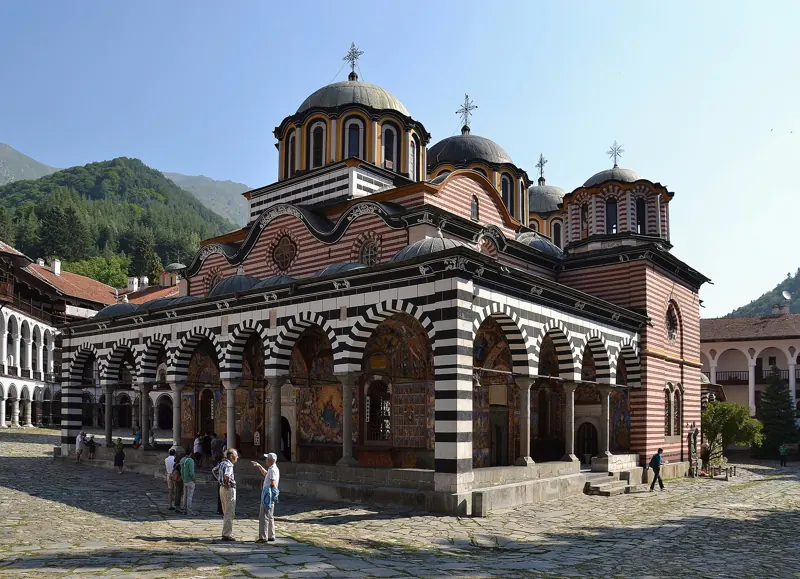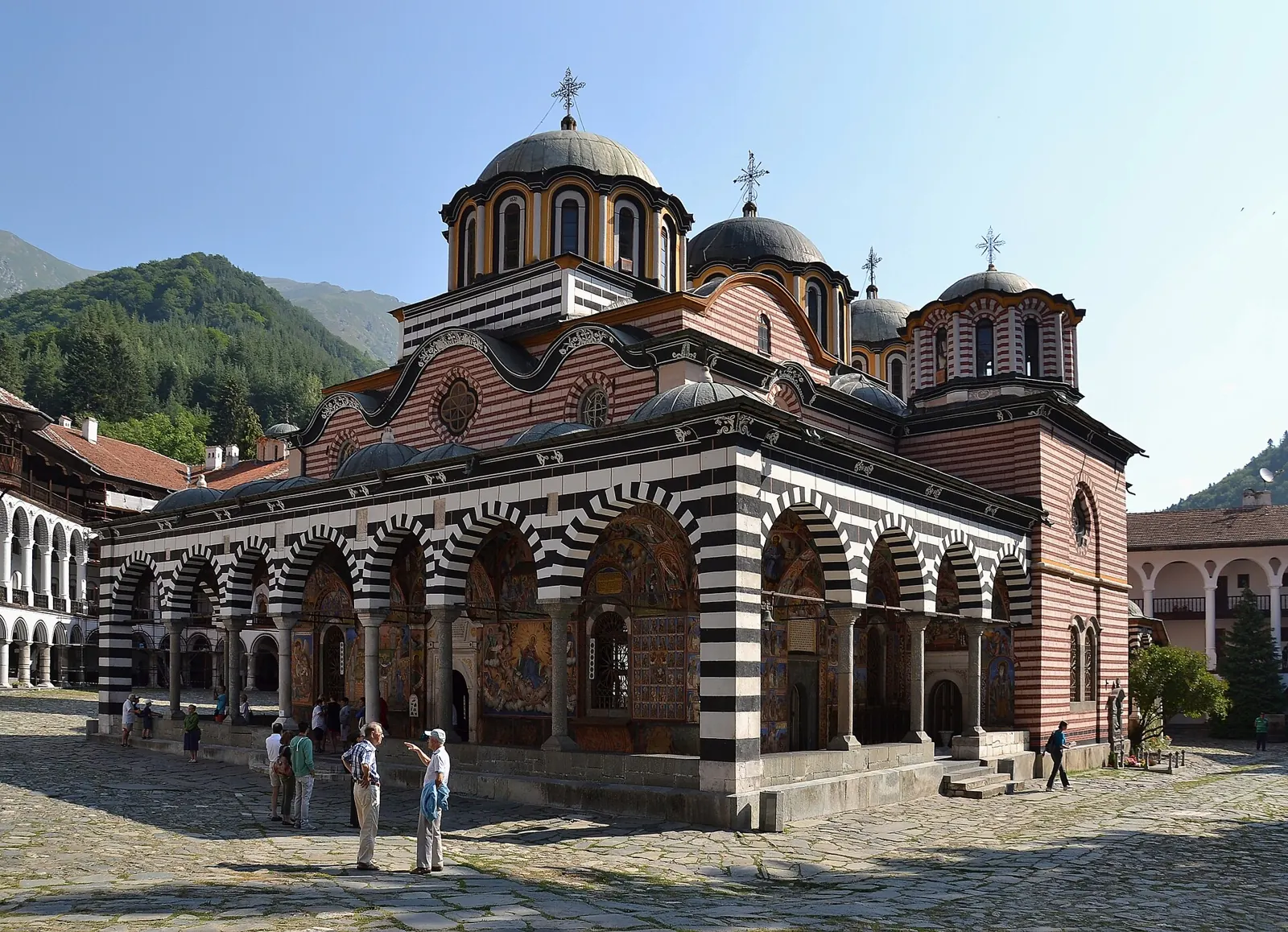
You have been saving for years, and now the Balkans are calling. Sofia vs Belgrade for retirement is a decision few Americans consider, but these two capital cities offer some of the lowest living costs in all of Europe.
A single retiree can live comfortably in Sofia on $1,200 per month. Belgrade runs about $1,300 per month. Both cities cost 60% to 70% less than any mid-tier American city.
This guide compares costs, visas, healthcare, taxes, safety, and quality of life across 13 categories. You will know which Balkan capital fits your budget and lifestyle by the end.
Quick Verdict: Sofia vs Belgrade at a Glance
Both cities rank among Europe’s most affordable capitals. Your winner depends on whether EU membership or visa simplicity matters more.
| Category | Sofia | Belgrade | Winner |
|---|---|---|---|
| Monthly budget | $1,100–$1,400 | $1,200–$1,500 | Sofia |
| Residence visa | D-type (1-year) | 90-day visa-free + temp. residence | Belgrade |
| Healthcare quality | Excellent (JCI-accredited) | Very good | Sofia |
| Safety | Very good | Very good | Tie |
| Climate | Four seasons, snowy winters | Four seasons, hot summers | Tie |
| EU membership | EU member (euro since Jan 2026) | Non-EU, EU candidate | Sofia |
| Tax on pensions | 10% flat (treaty may exempt) | Exempt | Belgrade |
| Food costs | $3–5 per meal | $3–6 per meal | Sofia |
| Internet speed | 100–300 Mbps | 100–300 Mbps | Tie |
| Expat community | Growing, 60,000+ expats | Smaller, digital-nomad heavy | Sofia |
Cost of Living: Sofia vs Belgrade Monthly Budget
According to Numbeo’s cost of living comparison, Sofia costs 5% to 10% less than Belgrade across housing, food, and transportation. Both cities remain among the cheapest capitals in Europe.
Here is what a $1,500 monthly budget looks like in each city:
| Expense | Sofia | Belgrade |
|---|---|---|
| Rent (1-bed, furnished, central) | $400–$550 | $450–$600 |
| Utilities | $60–$90 | $70–$100 |
| Groceries | $200–$280 | $220–$300 |
| Dining out (15 meals) | $50–$80 | $60–$90 |
| Transportation | $25–$40 | $0–$20 (free public transit) |
| Health insurance | $80–$150 | $80–$150 |
| Entertainment | $80–$120 | $80–$130 |
| Phone + Internet | $20–$30 | $20–$35 |
| Total | $915–$1,340 | $980–$1,425 |
Sofia’s edge is strongest in dining and transit. A local restaurant lunch in Sofia costs $3 to $4. A comparable meal in Belgrade runs $4 to $6.
Belgrade counters with free public transportation across buses, trams, and trolleybuses. Sofia’s monthly transit pass costs about $25.
Housing costs are close. A one-bedroom in Sofia’s Lozenets rents for $450 per month. A comparable flat in Belgrade’s Vracar runs $500 to $600.
Bulgaria adopted the euro on January 1, 2026. Early reports show modest price increases of 0.2 to 0.4 percentage points from rounding effects. Serbia still uses the dinar, which gives retirees some currency diversification.
Western groceries cost similar amounts in both cities. Imported cheese, wine, and specialty items from EU countries are slightly cheaper in Sofia thanks to EU single-market access.
Use our geographic arbitrage calculator to model your specific spending against both cities.
Residence Visas: Bulgaria D-Type vs Serbia Temporary Residence
Serbia’s visa-free entry makes it the easier starting point. Bulgaria’s D-type visa requires more paperwork but opens the door to EU residency.
| Requirement | Bulgaria D-Type Visa | Serbia Temporary Residence |
|---|---|---|
| Visa-free entry | 90 days (tourist) | 90 days in 180-day period |
| Long-stay visa | D-type, 6–12 months | Temporary residence, 1 year |
| Pension requirement | Min. Bulgarian salary (~$500/month) | Proof of financial means |
| Age minimum | None for pension visa | None |
| Application location | Bulgarian consulate (in person) | Local police station in Serbia |
| Health insurance | Required (full stay) | Required |
| Path to permanent residency | After 5 years | After 5 years |
| EU residency benefit | Yes, EU member state | No |
Bulgaria D-type visa key requirements:
- Apply in person at the nearest Bulgarian consulate in your home country
- Proof of pension income at or above Bulgaria’s minimum salary (approximately $500 per month in 2026)
- Health insurance valid for your entire stay in Bulgaria
- Clean criminal record from your home country
- Register at Migration Directorate within 14 days of arrival
Read our guide on European retirement visas compared for a broader overview.
Serbia temporary residence key requirements:
- Enter visa-free for up to 90 days as a US citizen
- Apply at the local police station for temporary residence before your 90 days expire
- Proof of financial means such as bank statements or pension income
- Lease agreement or proof of accommodation
- Health insurance valid in Serbia
- Valid for 1 year, renewable annually
Belgrade wins on initial ease. You can fly in, find an apartment, and apply for residence without leaving the country. Bulgaria requires a consulate visit before arrival, which adds weeks to the process.
However, Bulgaria’s EU membership gives your residence permit more long-term value. A Bulgarian residence card lets you travel freely across the Schengen Area. Serbia’s permit does not.
See our moving abroad checklist for retirees for step-by-step planning guidance.
Healthcare: Sofia vs Belgrade Hospitals and Insurance
Both cities offer affordable healthcare with modern facilities. Sofia has the edge in international accreditation. Belgrade offers lower out-of-pocket costs for routine care.
Sofia hospitals:
- Acibadem City Clinic Tokuda Hospital is Bulgaria’s largest private hospital with 575 beds, 22 operating rooms, and JCI accreditation
- Acibadem City Clinic Sofia offers an international patient office with English-speaking coordinators
- Routine checkup costs run $25 to $60 without insurance
- Specialist consultations cost $30 to $80
Belgrade hospitals:
- Clinical Center of Serbia is one of Europe’s largest teaching hospitals with 3,150 beds and strong cardiology and neurology departments
- Private clinics like MediGroup and Acibadem Bel Medic offer English-speaking staff and short wait times
- Routine checkup costs run $20 to $50
- Specialist consultations cost $25 to $70
| Insurance Type | Sofia | Belgrade |
|---|---|---|
| Local private plan | $960–$1,800/year | $960–$1,800/year |
| International plan (comprehensive) | $3,000–$5,500/year | $3,000–$5,500/year |
| Out-of-pocket dental cleaning | $20–$35 | $15–$30 |
| Out-of-pocket MRI | $150–$300 | $120–$250 |
Sofia’s JCI-accredited Tokuda Hospital gives it the edge for serious medical care. The international patient office simplifies the process for English-speaking retirees who need complex procedures.
Belgrade’s private clinics handle routine care efficiently at lower prices. Wait times at private facilities are short, often same-day or next-day.
Read our guide on international health insurance for retirees for provider comparisons across both countries.
Safety and Security: Sofia vs Belgrade for Retirees
Both Sofia and Belgrade are safe cities for foreign retirees. Violent crime against expats is rare in either capital. Petty crime requires the same awareness you would exercise in any European city.
Sofia’s crime index on Numbeo sits at 38.77, placing it in the low-to-moderate range. The main concerns are pickpocketing on crowded public transit and occasional taxi scams targeting tourists.
Belgrade scores similarly on safety metrics. The city’s reputation from the 1990s is long outdated. Today’s Belgrade is a modern European capital where expats walk freely at night in central neighborhoods.
Practical safety tips for Sofia:
- Use the Metro instead of taxis to avoid overcharging
- Watch your belongings on trams and buses during rush hour
- Stick to Lozenets, Oborishte, and Iztok for the safest residential experience
- Download the Yellow Taxi app to avoid unlicensed cabs
Practical safety tips for Belgrade:
- Vracar, Dorcol, and Stari Grad are the safest and most walkable neighborhoods
- Avoid unofficial money changers and use bank ATMs
- Use CarGo or taxi apps rather than hailing cabs on the street
- Central Belgrade feels safe walking at any hour
This category is a tie. Both cities offer a level of safety that most American retirees find refreshing compared to larger Western European capitals.
Climate and Weather: Sofia vs Belgrade Year-Round
Both cities experience four distinct seasons. Sofia runs cooler with mountain influence. Belgrade gets hotter summers thanks to its lower elevation and river basin location.
| Season | Sofia Temp | Sofia Conditions | Belgrade Temp | Belgrade Conditions |
|---|---|---|---|---|
| Jan–Mar | 25–50F | Cold, snowy | 28–52F | Cold, gray |
| Apr–Jun | 50–77F | Mild, pleasant | 52–82F | Warm, sunny |
| Jul–Sep | 60–86F | Warm, dry | 62–90F | Hot, humid |
| Oct–Dec | 35–60F | Cool, colorful | 38–62F | Cool, rainy |
Sofia sits at 1,800 feet elevation with Vitosha Mountain as its backdrop. The mountain moderates summer heat and provides skiing 30 minutes from the city center. Winter temperatures drop below freezing regularly.
Belgrade sits at the confluence of the Danube and Sava rivers at 250 feet elevation. Summers are hot, often exceeding 90F in July and August. Winters are milder than Sofia but gray and damp.
Neither city offers year-round warmth. Heating costs run $80 to $150 per month from November through March. Sofia’s winter air quality suffers from wood-burning heating smog in some neighborhoods.
Expat Community: Sofia vs Belgrade Social Scene
Sofia has the larger expat community with an estimated 60,000+ foreign residents across Bulgaria. Belgrade’s expat community is smaller but tight-knit and socially active.
Sofia expat resources:
- InterNations Sofia hosts regular meetups and networking events
- Facebook groups like “Expats in Sofia” and “Sofia Digital Nomads” provide daily advice and recommendations
- Lozenets and Oborishte are the main expat neighborhoods with English-friendly shops, cafes, and restaurants
- Sofia’s tech hub status attracts younger professionals, giving the city a dynamic international feel
Belgrade expat resources:
- Belgrade Foreign Visitors Club is the largest English-speaking community group
- InterNations Belgrade organizes monthly events at bars and restaurants
- Vracar and Dorcol are the primary expat neighborhoods, walkable with strong cafe culture
- Language exchange meetups happen weekly and double as social networking events
Sofia’s community skews toward tech workers, digital nomads, and EU professionals. Belgrade attracts more creative types, entrepreneurs, and retirees from neighboring Balkan countries.
Both cities use the Cyrillic alphabet, which creates an initial adjustment period. Street signs, menus, and official documents appear in Cyrillic. Most restaurants in expat areas offer English menus.
Learning basic Cyrillic takes about a week of practice. The Bulgarian and Serbian versions differ slightly but share the same core characters.
Compare the broader European expat scene with our retiring in Greece and retiring in Montenegro guides.
Food and Dining: Sofia vs Belgrade Daily Meals
Sofia edges ahead on food costs, though both cities offer filling meals for under $5. Bulgarian and Serbian cuisines share Balkan roots but have distinct flavors.
| Meal Type | Sofia | Belgrade |
|---|---|---|
| Local restaurant lunch | $3–$5 | $4–$6 |
| Mid-range restaurant dinner | $8–$15 | $10–$18 |
| Western restaurant | $12–$20 | $12–$22 |
| Coffee shop latte | $1.50–$2.50 | $1.50–$3 |
| Beer (local, bar) | $1.50–$2.50 | $1.50–$3 |
| Weekly groceries | $35–$55 | $40–$60 |
Bulgarian cuisine centers on grilled meats, fresh salads, and yogurt-based dishes. The shopska salad, kebapche (grilled minced meat), and banitsa (cheese pastry) are daily staples available for $3 to $4 at local restaurants.
Serbian cuisine is heartier and meat-focused. Cevapi (grilled sausages), pljeskavica (Serbian burger), and kajmak (creamy cheese spread) form the base of most meals. A full cevapi plate with sides costs $4 to $6.
Belgrade wins on nightlife dining. The city’s splavovi (floating river restaurants) and the bohemian Skadarlija street offer dining experiences that Sofia cannot match. Sofia benefits from EU trade access, making imported ingredients from Italy and Greece more affordable.
Internet and Infrastructure: Sofia vs Belgrade
Both cities deliver strong internet speeds and reliable infrastructure. Sofia’s tech hub reputation gives it a slight edge on coworking options.
| Feature | Sofia | Belgrade |
|---|---|---|
| Home fiber speed | 100–300 Mbps | 100–300 Mbps |
| Monthly internet cost | $12–$20 | $15–$25 |
| Coworking spaces | 25+ | 15+ |
| Coworking monthly cost | $80–$150 | $80–$150 |
| Mobile data (30GB) | $6–$12 | $8–$15 |
| Power reliability | 99%+ | 99%+ |
Sofia’s Metro system covers the city center and major residential areas efficiently. Two lines connect key neighborhoods, the central train station, and the airport. Monthly Metro passes cost about $25.
Belgrade’s public transportation is free for all residents, a significant perk. Buses, trams, and trolleybuses cover the city comprehensively. The city is also investing in a new metro system.
Both cities have modern airports with connections across Europe. Sofia Airport offers direct flights to most EU capitals. Belgrade’s Nikola Tesla Airport connects to major European hubs. Flights home require one connection from either city, with 12 to 16 hours total travel time.
For retirees who work part-time online, both cities perform well. Consider pairing your low cost of living with part-time income using a barista FIRE approach.
Tax Implications: Bulgaria vs Serbia for US Retirees
Bulgaria applies a 10% flat tax on personal income. Serbia exempts pension income from personal income tax. This difference matters significantly for retirees living on pension and Social Security income.
| Tax Factor | Bulgaria | Serbia |
|---|---|---|
| System | 10% flat tax | 10–15% (varies by income type) |
| Pension tax | 10% (treaty may exempt) | Exempt |
| Tax residency trigger | 183+ days | 183+ days |
| Capital gains | 10% flat | 15% |
| US tax treaty | Yes | No |
| FBAR filing | Required for US citizens | Required for US citizens |
| Social Security taxed locally? | Treaty-dependent | Exempt |
Bulgaria’s tax position: The 10% flat rate applies to all personal income, including foreign pensions. However, the US-Bulgaria tax treaty may allow your pension to be taxed only in the US. Consult a qualified expat tax professional to confirm your specific situation.
Serbia’s tax advantage for retirees: Pension income is exempt from personal income tax in Serbia. This is a clear advantage for retirees whose primary income comes from Social Security or a pension. However, Serbia has no tax treaty with the United States, which means other income types lack treaty protection.
Both countries require US citizens to file annual US tax returns and FBAR reports for foreign bank accounts exceeding $10,000. The IRS Foreign Earned Income Exclusion may apply to any earned income.
Social Security payments received abroad continue without interruption in both countries. Review our guide to collecting Social Security abroad for details.
Use our expat tax estimator to model your specific situation, and review our FBAR filing guide for reporting requirements.
The Honest Downsides
No city is perfect for retirement. Here are the real frustrations expats report in each location.
Sofia Downsides
Winter air pollution is Sofia’s most serious drawback. Wood-burning heating and vehicle emissions create smog from December through February. Retirees with respiratory conditions should monitor air quality readings during winter months.
Bureaucracy is slow. Bulgarian government offices test your patience. Expect long waits, limited English, and paperwork that requires notarized translations. The D-type visa process alone takes one to two months.
Euro adoption has raised prices. The switch from the lev to the euro in January 2026 has triggered rounding-up on prices. The impact is modest so far, but the trend concerns long-term budget retirees.
English proficiency varies. Younger Bulgarians speak English well. Older service workers, government clerks, and tradespeople often do not. Hospital doctors speak English, but administrative staff may not.
Belgrade Downsides
No EU membership. Serbia is an EU candidate but not a member. Your Serbian residence permit does not grant travel rights across the Schengen Area. You will need separate visas for extended stays in EU countries.
Summer heat is intense. Belgrade’s July and August temperatures regularly hit 90F or higher with high humidity. The city lacks the mountain breeze that cools Sofia in summer.
Noise levels run high. Belgrade is proud of its nightlife, and the city’s energy carries a constant soundtrack of traffic, construction, and music. Light sleepers should choose apartments on higher floors or in quieter side streets.
No US tax treaty. The absence of a double tax treaty with the United States means you cannot claim treaty benefits. While Serbia exempts pensions, other income types lack coordinated protection.
Who Should Choose Sofia
Sofia is the better fit for retirees who value EU membership, long-term residency rights, and accredited healthcare.
- Choose Sofia if you want EU residency that allows free travel across 27 member states
- Choose Sofia if you prioritize JCI-accredited hospitals with international patient offices
- Choose Sofia if you plan to travel frequently across Europe using Sofia as a home base
- Choose Sofia if you prefer cooler summers with mountain access 30 minutes from your apartment
- Choose Sofia if you want to benefit from EU consumer protections and banking regulations
- Choose Sofia if you value a larger expat community with established support networks
- Choose Sofia if you prefer the US-Bulgaria tax treaty for structured tax planning
Read our full guide on best European retirement visas compared for a comprehensive planning resource, or compare other Balkan options in our Montenegro retirement guide.
Who Should Choose Belgrade
Belgrade is the better fit for retirees who want simpler visa entry, pension tax exemption, and a vibrant urban lifestyle.
- Choose Belgrade if you want to arrive visa-free and apply for residence without a consulate visit
- Choose Belgrade if you live primarily on pension or Social Security income and want tax-exempt treatment
- Choose Belgrade if you love nightlife, dining culture, and a city with high social energy
- Choose Belgrade if you prefer hot summers and a riverside city atmosphere
- Choose Belgrade if you want free public transportation across the entire city
- Choose Belgrade if you enjoy a tight-knit, socially active expat community
- Choose Belgrade if you prefer the Serbian dinar for currency diversification away from the euro and dollar
Explore other budget European options in our retiring in Georgia guide or our retiring in Italy on the 7% tax regime.
Final Verdict: Sofia vs Belgrade for Retirement
Sofia wins on EU membership, healthcare accreditation, and long-term residency value. If your priority is building a permanent European base with access to EU rights and top-tier medical facilities, Sofia is your city.
Belgrade wins on visa simplicity, pension tax treatment, and lifestyle energy. If you want to arrive without a visa, pay zero local tax on your pension, and live in one of Europe’s most vibrant cities, Belgrade delivers.
For a retiree with $1,200 per month or less, Sofia provides a more comfortable margin on daily expenses. At $1,500 or more per month, both cities offer a good quality of life and your decision comes down to EU access versus lifestyle preference.
The smartest approach: spend 30 to 60 days in each city before committing. Rent month-to-month, test your budget against real expenses, and see which culture fits your personality. Both cities are connected by a 4-hour bus ride or a 45-minute flight, making a comparison trip easy.
Use our visa eligibility checker to confirm which visas you qualify for, then run the numbers through our geographic arbitrage calculator to see how far your savings stretch in each city.
Frequently Asked Questions
Is Sofia or Belgrade cheaper for retirement?
Sofia is 5% to 10% cheaper than Belgrade across most categories. Housing, food, and transportation all cost slightly less in Bulgaria. A comfortable single retiree budget starts at $1,100 per month in Sofia versus $1,200 in Belgrade. The gap is narrow enough that lifestyle preferences matter more than cost.
Can I retire in Belgrade on $1,000 a month?
Yes, if you are disciplined. You would need to live outside the city center, cook most meals at home, and limit entertainment spending. Free public transportation helps. At $1,000 you cover basics but have limited room for travel or unexpected expenses.
Do I need to learn Cyrillic to live in Sofia or Belgrade?
Both cities use the Cyrillic alphabet for street signs, menus, and official documents. Learning the 30 characters takes about a week of practice. Most restaurants in expat areas offer English menus. Younger residents in both cities speak English, but Cyrillic knowledge makes daily life smoother.
Is Bulgaria’s 10% flat tax applied to my US pension?
Bulgaria taxes personal income at a 10% flat rate, which can include foreign pensions. However, the US-Bulgaria double tax treaty may exempt your pension from Bulgarian taxation. The treaty generally allows pensions to be taxed only in the source country. Consult a qualified expat tax professional to confirm your specific situation.
Is Belgrade safe for American retirees in 2026?
Belgrade is safe in central neighborhoods like Vracar, Dorcol, and Stari Grad. Violent crime against foreigners is uncommon. Exercise standard urban precautions: use taxi apps rather than hailing cabs, avoid unofficial money changers, and stay aware in crowded areas. Most retirees report feeling safer in Belgrade than in comparably sized American cities.
How does Bulgaria’s euro adoption affect retirees?
Bulgaria adopted the euro on January 1, 2026, replacing the lev. Early data shows price increases of 0.2 to 0.4 percentage points from rounding effects. The long-term benefit is simplified banking and transfers within the eurozone. US retirees transferring dollars to euros face one conversion instead of two.
Which city has better healthcare for retirees?
Sofia has the edge with JCI-accredited Tokuda Hospital, Bulgaria’s largest private medical facility. Belgrade’s Clinical Center of Serbia is one of Europe’s largest teaching hospitals but lacks international accreditation. Both cities offer routine care at $20 to $60 per visit. Private insurance costs are similar at $80 to $150 per month for local plans.
How long does it take to fly home to the US from Sofia or Belgrade?
Both cities require one connection to reach the US. Typical routing through Istanbul, Frankfurt, or London takes 12 to 16 hours total. Neither city has a significant advantage on travel time. Budget $500 to $900 for round-trip flights to the US East Coast depending on season and booking timing.