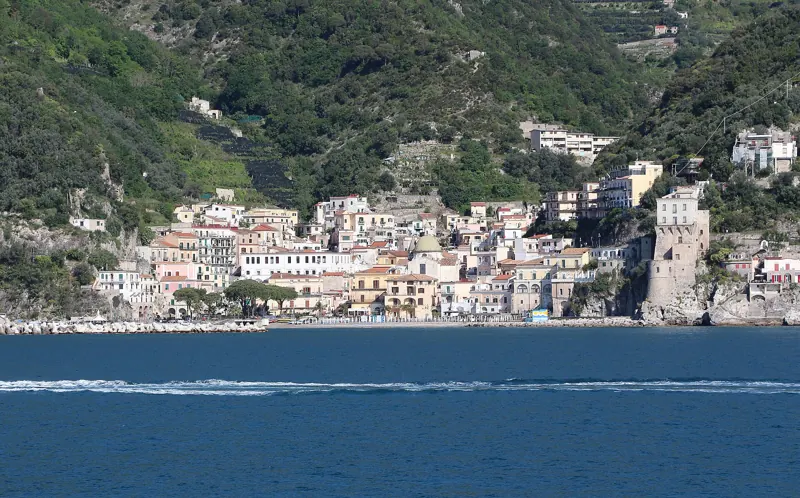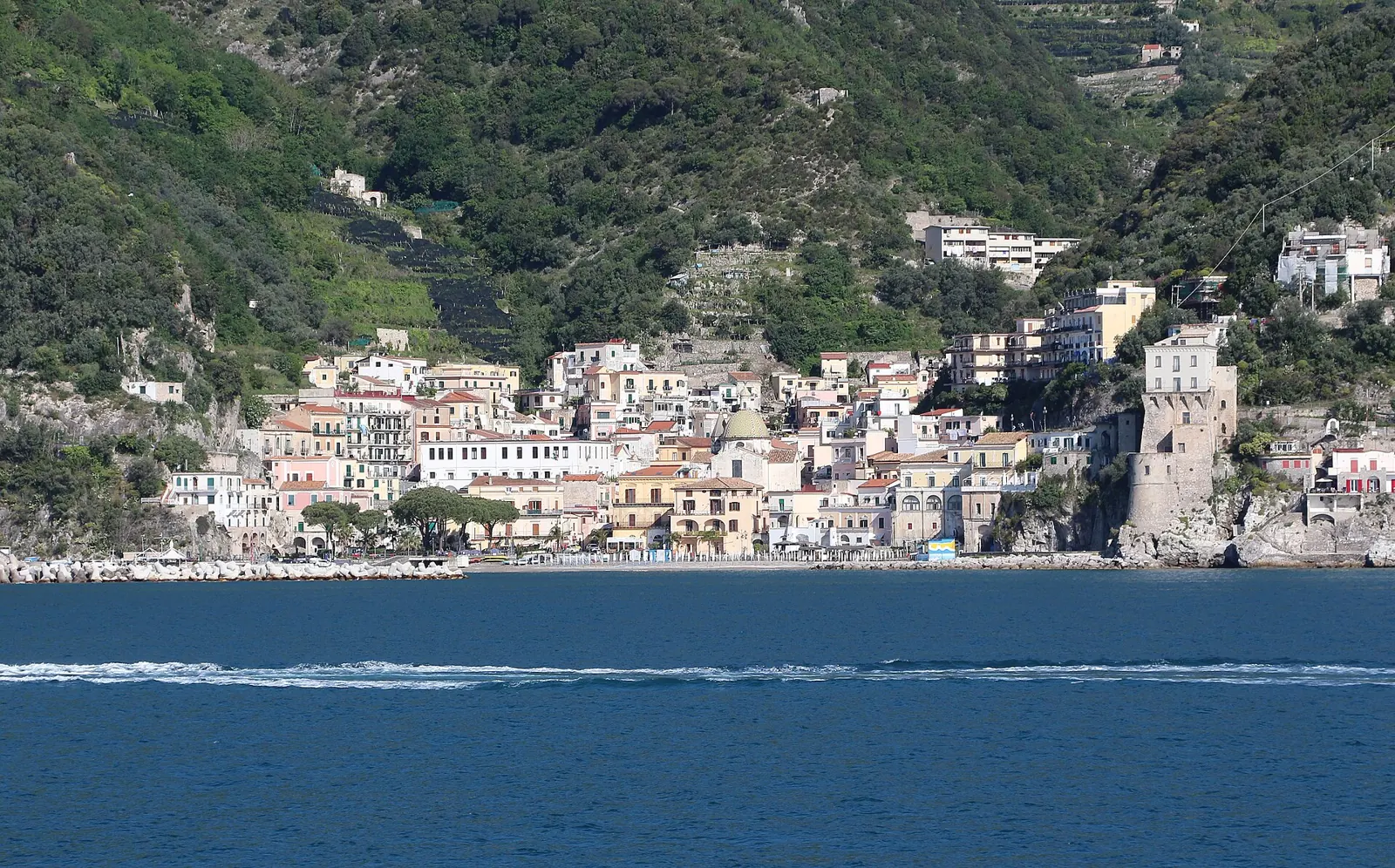
Choosing between Italy and Spain for retirement comes down to what you value most: culture-soaked daily rituals or sun-drenched affordability.
Over 40,000 American retirees now live across these two countries, and that number grows by double digits each year.
Here’s the insider breakdown on costs, visas, healthcare, taxes, and lifestyle to help you pick your side of the Mediterranean.
Quick Verdict: Italy vs Spain for Retirement at a Glance
Spain wins on affordability and ease of integration. Italy wins on cultural depth and tax incentives for new residents. Your retirement personality determines the right answer.
Side-by-Side Comparison Table
| Category | Spain | Italy | Winner |
|---|---|---|---|
| Cost of Living | €1,800–2,400/month (couple) | €2,000–2,800/month (couple) | Spain |
| Retirement Visa | Non-Lucrative Visa | Elective Residency Visa | Tie |
| Healthcare Quality | WHO rank #7 | WHO rank #2 | Italy |
| Tax Incentives | Beckham Law (limited for retirees) | 7% flat tax (southern regions) | Italy |
| Property Prices | €1,200–2,500/m² (coastal) | €1,000–3,000/m² (varies wildly) | Tie |
| Climate | 300+ sunny days (south) | 250–300 sunny days (south) | Spain |
| Language Ease | Easier for English speakers | Slightly harder | Spain |
| Safety | Low crime, very safe | Low crime, very safe | Tie |
| Expat Community | Larger, more established | Smaller, more immersive | Depends |
| Food & Culture | Tapas, siestas, beach life | Slow food, passeggiata, art | Depends |
If you prioritize stretching your dollar and warm weather with a large English-speaking community, Spain edges ahead. If you want world-class healthcare, significant tax breaks, and deeper cultural immersion, Italy deserves serious consideration.
Cost of Living: Where Your Retirement Savings Go Further in 2026
Spain vs Italy cost of living for retirees favors Spain by roughly 15–20% across most categories. A retired couple lives comfortably in coastal Spain on €2,100 per month. The same lifestyle in Italy runs closer to €2,500.
Groceries, Dining & Daily Expenses
| Expense | Spain (avg.) | Italy (avg.) |
|---|---|---|
| Loaf of bread | €1.10 | €1.60 |
| Dozen eggs | €2.20 | €3.10 |
| 1 kg chicken breast | €6.50 | €8.90 |
| Bottle of local wine | €3.50 | €5.00 |
| Restaurant meal (2 people, mid-range) | €35–45 | €45–60 |
| Espresso at a café | €1.30 | €1.20 |
| Monthly groceries (couple) | €350–450 | €400–550 |
Spain’s supermarkets (Mercadona, Lidl, Aldi) keep grocery bills predictable. Italy’s markets offer extraordinary produce, but you pay a premium at smaller shops. The one Italian bargain: espresso remains sacred at around €1.20 nationwide.
Housing and Rent Costs by Region
Housing represents your biggest variable. Popular retirement regions show clear differences.
| Region | 2-Bed Apartment Rent | 2-Bed Purchase Price |
|---|---|---|
| Alicante, Spain | €650–850/month | €120,000–180,000 |
| Málaga, Spain | €800–1,100/month | €160,000–250,000 |
| Valencia, Spain | €750–1,000/month | €140,000–220,000 |
| Puglia, Italy | €450–700/month | €80,000–150,000 |
| Sardinia, Italy | €500–800/month | €100,000–180,000 |
| Abruzzo, Italy | €400–600/month | €60,000–120,000 |
| Florence, Italy | €1,100–1,500/month | €280,000–400,000 |
Italy’s southern and rural regions offer stunning bargains. Puglia and Abruzzo consistently undercut Spanish coastal prices. The catch: these areas have fewer English speakers and less developed expat infrastructure.
Utilities, Transport & Miscellaneous Costs
| Expense | Spain | Italy |
|---|---|---|
| Utilities (electric, water, gas) | €120–160/month | €150–200/month |
| Internet (fiber) | €30–40/month | €25–35/month |
| Mobile plan | €15–25/month | €8–15/month |
| Monthly transit pass | €40–55 | €35–50 |
| Gasoline (per liter) | €1.55 | €1.75 |
Italy’s mobile phone plans are a genuine bargain. Iliad and ho. Mobile offer unlimited data from €7.99/month. Spain’s utilities run cheaper thanks to lower electricity costs, though both countries experience summer AC spikes.
City-by-City Cost Breakdown
Monthly budget for a retired couple (rent included, moderate lifestyle):
| City | Monthly Budget | Lifestyle Notes |
|---|---|---|
| Valencia | €2,000–2,400 | Best value major Spanish city |
| Alicante | €1,800–2,200 | Beach life on a budget |
| Málaga | €2,100–2,600 | Growing fast, prices rising |
| Lecce (Puglia) | €1,600–2,000 | Italy’s hidden gem |
| Cagliari (Sardinia) | €1,800–2,200 | Island pace, mainland prices |
| Bologna | €2,400–2,900 | Food capital, university energy |
| Palermo | €1,700–2,100 | Raw, authentic, affordable |
The euro exchange rate in early 2026 hovers around €1 = $1.05–1.08, making both countries roughly 15% more affordable for US dollar holders compared to 2022 levels.
Visa and Residency Programs for Retirees
Both countries offer dedicated retirement visa programs for non-EU citizens. Neither makes the process simple, but both follow predictable paths.
Spain’s Non-Lucrative Visa (2026 Requirements)
Spain’s non-lucrative visa remains the standard route for American retirees. You prove you have enough passive income and agree not to work in Spain.
- Minimum income: Approximately €2,400/month (400% of Spain’s IPREM indicator) for the primary applicant, plus €600/month per dependent
- Health insurance: Private coverage with no co-pays, valid in Spain
- Clean criminal record: FBI background check, apostilled
- Processing time: 30–60 days at the Spanish consulate in the US
- Initial duration: 1 year, renewable for 2-year periods
- Work restriction: You are not permitted to work for a Spanish employer
The application happens at your nearest Spanish consulate before departure. Approval rates for American retirees with proper documentation run high.
Italy’s Elective Residency Visa (2026 Requirements)
Italy’s elective residency visa (Visto per Residenza Elettiva) follows similar logic but with Italian bureaucratic flair.
- Minimum income: No fixed threshold, but consulates expect €31,000+/year for a single applicant (roughly €38,000+ for couples)
- Proof of housing: Rental contract or property deed in Italy
- Health insurance: Required, valid in Italy
- Processing time: 30–90 days (varies significantly by consulate)
- Initial duration: 1 year, renewable annually
- Work restriction: No employment permitted
Italian consulates have more discretion than Spanish ones. Your experience depends heavily on which consulate handles your application. Los Angeles and New York process the most retirement visa applications and have established procedures.
Digital Nomad Visa Options
Both countries now offer digital nomad visas for those with remote income. These suit early retirees who maintain consulting or freelance work.
- Spain’s digital nomad visa: Requires €2,700/month minimum income, allows remote work for non-Spanish companies
- Italy’s digital nomad visa (launched 2024): Requires €28,000/year minimum, still establishing processing norms in 2026
These visas suit early retirees aged 50–60 who earn freelance or consulting income alongside investment returns.
Path to Permanent Residency and Citizenship
| Milestone | Spain | Italy |
|---|---|---|
| Permanent residency | 5 years of legal residence | 5 years of legal residence |
| Citizenship eligibility | 10 years of residence | 10 years of residence |
| Language requirement | A2 Spanish (basic) | B1 Italian (intermediate) |
| Dual citizenship with US | Allowed | Allowed |
| Citizenship by descent | Limited | Generous (jure sanguinis) |
Italy’s higher language requirement for citizenship (B1 vs A2) reflects a more demanding integration expectation. However, Italy’s citizenship-by-descent program means anyone with Italian ancestors going back generations has a potential shortcut.
Healthcare Systems Compared
Italy’s healthcare system ranks #2 globally by the WHO. Spain ranks #7. Both provide universal coverage that surpasses the US system in accessibility and cost-effectiveness.
Public Healthcare Quality and Access
As legal residents, retirees in both countries gain access to public healthcare. The systems work differently.
Italy’s SSN (Servizio Sanitario Nazionale):
– Register with a local ASL office and choose a general practitioner
– GP visits are free, specialist referrals carry small co-pays (€15–50)
– Prescription medications cost €1–4 per item under the public system
– Residents over 65 are exempt from most co-pays
Spain’s SNS (Sistema Nacional de Salud):
– Register at your local health center (Centro de Salud)
– Assigned a GP who coordinates all care
– Public system covers most needs with minimal out-of-pocket costs
– Retirees receiving a Spanish pension get full coverage
Both systems deliver excellent primary care. Italy edges ahead in specialist quality and hospital infrastructure. Spain offers more consistent service quality across regions.
Private Health Insurance Options and Costs
Private health insurance is required for visa applications and remains valuable even after gaining public access.
| Coverage Level | Spain (annual) | Italy (annual) |
|---|---|---|
| Basic (ages 55–60) | €1,200–2,000 | €1,500–2,500 |
| Comprehensive (ages 55–60) | €2,000–3,500 | €2,500–4,000 |
| Basic (ages 60–70) | €2,500–4,000 | €3,000–5,000 |
| Comprehensive (ages 60–70) | €4,000–6,500 | €4,500–7,500 |
Spanish insurers like Sanitas, Adeslas, and Mapfre offer competitive rates with wide provider networks. Italian private insurance through Generali or UniSalute costs more but provides access to Italy’s renowned specialist physicians.
Prescription Drugs and Specialist Care
Prescription costs in both countries shock American retirees for the right reasons. A medication costing $300/month in the US runs €5–30 through European pharmacies. Common maintenance drugs for blood pressure, cholesterol, and diabetes cost a fraction of US prices.
Specialist wait times differ. Spain’s public system averages 45–90 days for non-urgent specialist appointments. Italy’s public wait times run 30–120 days depending on region and specialty. Both countries allow you to pay out-of-pocket for faster private specialist visits at €80–200 per consultation.
Healthcare for Pre-Medicare US Retirees
Early retirees aged 50–64 face a unique challenge. Medicare does not cover care abroad. Private European insurance fills this gap at a fraction of what comparable US coverage costs.
A healthy 58-year-old American pays roughly €2,000–3,000/year for comprehensive private health insurance in Spain or Italy. The equivalent US plan through the ACA marketplace runs $8,000–15,000/year. This savings alone covers a significant portion of retirement living expenses.
Tax Implications for US and International Retirees
Italy’s 7% flat tax for new residents settling in qualifying southern regions makes it the clear winner on tax benefits for retirement income. Spain offers no equivalent incentive for retirees in 2026.
Income Tax Rates and Brackets in 2026
| Income Bracket | Spain (2026) | Italy (2026, standard) |
|---|---|---|
| Up to €12,450 / €15,000 | 19% | 23% |
| €12,451–20,200 / €15,001–28,000 | 24% | 25% |
| €20,201–35,200 / €28,001–50,000 | 30% | 35% |
| €35,201–60,000 / €50,001–100,000 | 37% | 43% |
| Over €60,000 / Over €100,000 | 45–47% (includes regional) | 43% |
Italy’s standard rates run higher at the bottom but cap at 43%. Spain’s regional surcharges push top rates to 47% in some autonomous communities.
Spain’s Beckham Law vs Italy’s Flat Tax for New Residents
Italy’s 7% flat tax (regime fiscale agevolato) is the headline story. Retirees who transfer tax residence to qualifying municipalities in southern Italy (Abruzzo, Molise, Campania, Puglia, Basilicata, Calabria, Sardinia, or Sicily) pay a flat 7% tax on all foreign-source income for up to 10 years. On a $60,000/year pension, that’s €4,200 in Italian tax versus €15,000+ under standard rates.
Spain’s Beckham Law primarily benefits employees of companies, not retirees living on pensions and investment income. The law allows qualifying individuals to pay a flat 24% on Spanish-source income up to €600,000. Most American retirees do not qualify.
Capital Gains, Property Tax & Wealth Tax
| Tax Type | Spain | Italy |
|---|---|---|
| Capital gains | 19–28% (progressive) | 26% (flat) |
| Property tax (annual) | IBI: 0.4–1.1% of cadastral value | IMU: 0.46–1.06% of cadastral value |
| Wealth tax | 0.2–3.5% on assets over €700,000 | None (abolished) |
| Inheritance tax | 7.65–34% (varies by region) | 4–8% (with generous exemptions) |
Spain’s wealth tax hits retirees with significant assets. If your global net worth exceeds €700,000 (excluding your primary residence up to €300,000), you owe 0.2–3.5% annually. Italy has no wealth tax on domestic assets, making it friendlier for wealthier retirees.
US Tax Treaty Considerations
American retirees owe US taxes on worldwide income regardless of where they live. Both countries have double taxation treaties with the US that prevent paying full taxes twice.
- FBAR/FATCA reporting: Required if foreign accounts exceed $10,000 (FBAR) or $200,000 for single filers abroad (FATCA)
- Foreign tax credit: Taxes paid to Spain or Italy offset US tax liability dollar-for-dollar
- Social Security: Both countries have totalization agreements with the US, preventing double Social Security taxation
- IRA/401(k) distributions: Taxed per treaty provisions. Italy’s flat tax covers these distributions at 7%
Budget $1,500–3,000/year for a US expat tax specialist who handles both countries’ requirements. This is not optional.
Real Estate and Property Buying Guide
Property prices in both countries vary dramatically by region. Southern Italy offers the lowest entry points in Western Europe. Spain’s coastal regions provide more predictable markets with stronger resale values.
Property Prices in Popular Retirement Regions
| Region | Price per m² | 100m² Apartment |
|---|---|---|
| Costa Blanca, Spain | €1,500–2,200 | €150,000–220,000 |
| Costa del Sol, Spain | €2,000–3,500 | €200,000–350,000 |
| Valencia city, Spain | €1,800–2,800 | €180,000–280,000 |
| Puglia, Italy | €800–1,500 | €80,000–150,000 |
| Sicily, Italy | €700–1,400 | €70,000–140,000 |
| Abruzzo, Italy | €600–1,200 | €60,000–120,000 |
| Liguria, Italy | €2,000–4,000 | €200,000–400,000 |
| Tuscany, Italy | €2,500–5,000 | €250,000–500,000 |
Buying Process: Italy vs Spain
Both countries allow non-EU citizens to purchase property without restrictions. The processes differ in complexity.
Spain:
– Obtain an NIE (tax identification number): 2–6 weeks
– Standard purchase timeline: 1–3 months
– Purchase tax: 6–10% (ITP for resale, IVA for new builds)
– Notary and registration: 1–2% of purchase price
– Process is relatively straightforward and well-documented for foreigners
Italy:
– Obtain a codice fiscale (tax code): same day at the Agenzia delle Entrate
– Standard purchase timeline: 2–4 months
– Registration tax: 2% (primary residence) or 9% (second home) of cadastral value
– Notary fees: 1–2.5% of declared value
– Italy’s famous €1 home programs exist in dozens of small towns, requiring €15,000–40,000 in mandatory renovations within 3 years
Rental Market for Those Not Ready to Buy
Renting first is the smartest move for any retiree. Spend 6–12 months renting before committing to a purchase.
Spain’s rental market uses Idealista.com and Fotocasa.es as primary listing platforms. Italy’s market runs through Idealista.it, Immobiliare.it, and Casa.it. Both countries require security deposits of 1–3 months’ rent.
Long-term rental contracts in Spain (typically 5 years) offer strong tenant protections. Italian contracts run 4+4 years (four years, automatically renewable for four more), giving renters excellent stability.
Climate and Weather: Finding Your Ideal Retirement Weather
Spain delivers more guaranteed sunshine. Italy delivers more variety. Both countries offer Mediterranean climates along their southern coasts, with significant regional differences inland.
Regional Climate Variations
| Region | Avg. Summer High | Avg. Winter Low | Annual Sunny Days | Annual Rainfall |
|---|---|---|---|---|
| Alicante | 31°C (88°F) | 6°C (43°F) | 310+ | 280mm |
| Málaga | 31°C (88°F) | 7°C (45°F) | 300+ | 520mm |
| Canary Islands | 27°C (81°F) | 15°C (59°F) | 300+ | 150mm |
| Sicily | 32°C (90°F) | 6°C (43°F) | 270+ | 500mm |
| Sardinia | 30°C (86°F) | 5°C (41°F) | 280+ | 450mm |
| Puglia | 31°C (88°F) | 4°C (39°F) | 270+ | 550mm |
| Amalfi Coast | 30°C (86°F) | 6°C (43°F) | 260+ | 1,000mm |
Best Regions for Year-Round Mild Weather
For retirees wanting to avoid both extreme heat and cold, the sweet spots are:
- Spain: Canary Islands (eternal spring, 18–27°C year-round), Málaga coast, Alicante
- Italy: Western Sicily, southern Sardinia, coastal Calabria
Spain’s Canary Islands offer the most stable year-round climate in all of Europe. Tenerife and Gran Canaria maintain temperatures between 18–27°C (64–81°F) every month. No European destination matches this consistency.
Summer heat is a real concern for older retirees. Interior Spain (Madrid, Seville) regularly exceeds 40°C (104°F) in July and August. Interior southern Italy faces similar extremes. Coastal locations stay 5–8 degrees cooler.
Lifestyle, Culture & Quality of Life
Both countries rank in Europe’s top five for quality of life among retirees. The daily experience differs in ways that matter enormously over years of living there.
Food and Dining Culture
Italian food and dining culture revolves around ingredient quality and regional traditions. Every province has signature dishes, local wines, and fierce pride in culinary heritage. Meals are events. A Sunday lunch stretches three hours.
Spanish dining culture centers on social eating. Tapas encourage variety and sharing. The rhythm is different: lunch at 2 PM, dinner at 9 or 10 PM. Adjusting to this schedule takes most retirees 2–3 months.
Both countries offer world-class food at prices that delight American retirees. A full three-course lunch with wine costs €12–18 at a neighborhood restaurant in Spain. The same in Italy runs €15–25 for a proper pranzo.
Language Barrier and Learning Curve
Spanish is easier for English speakers to learn. The Foreign Service Institute ranks Spanish as a Category I language (24 weeks to proficiency). Italian falls in the same category but with slightly more complex grammar.
Practical differences matter more than classroom difficulty:
- Spanish pronunciation follows consistent rules. Italian pronunciation is similarly regular
- Spanish is spoken across 20+ countries, giving you more practice opportunities
- Italian regional dialects remain strong, adding complexity in rural areas
- English proficiency among locals is higher in Spain’s tourist regions than in Italy’s south
Both languages are learnable at retirement pace. Budget 6–12 months of daily practice to reach comfortable conversational ability.
Social Life and Expat Communities
Spain’s expat community resources dwarf Italy’s. The Costa del Sol and Costa Blanca host tens of thousands of English-speaking retirees with established clubs, volunteer organizations, English-language churches, and social groups.
Italy’s expat communities are smaller and more scattered. Tuscany, Lake Como, and Rome have notable English-speaking populations. Southern Italy, where the tax benefits are strongest, has far fewer English-speaking retirees. This means more authentic immersion but potentially more isolation.
Safety and Security
Both countries are remarkably safe for retirees. Safety and security statistics show:
- Spain’s violent crime rate: among the lowest in the EU
- Italy’s violent crime rate: similar to Spain’s, slightly higher petty crime in major cities
- Both countries rank safer than the US for violent crime by a significant margin
- Pickpocketing in tourist areas (Barcelona, Rome, Naples) is the primary concern
- Small towns and retirement communities in both countries have near-zero crime
Retired women report feeling safe walking alone at night in most Spanish and Italian towns. This peace of mind is a major quality-of-life upgrade for many American retirees.
Banking and Financial Services for Expat Retirees
Opening a bank account as a foreign retiree is easier in Spain than Italy, but neither country makes it effortless. Banking and financial services for expats have improved significantly with fintech adoption.
- Spain: Banks like Sabadell, CaixaBank, and BBVA regularly work with foreign residents. Bring your NIE, passport, proof of address, and a utility bill. Account opening takes 1–2 visits
- Italy: Banks like Intesa Sanpaolo and UniCredit require your codice fiscale, passport, and proof of residence. Processing takes 1–3 weeks. Expect more paperwork
- International transfers: Wise is the expat standard in both countries, saving 2–4% versus traditional bank transfers
- Cash usage: Italy remains more cash-dependent than Spain, especially in southern regions and small businesses. Spain has embraced contactless payments more broadly
- Credit cards: Visa and Mastercard work everywhere. American Express has limited acceptance in both countries
Many retirees maintain a US bank account (Schwab’s no-foreign-fee checking is popular) alongside their European account. This dual setup simplifies pension deposits and provides ATM access without fees.
Transportation and Getting Around
Spain’s transportation infrastructure edges ahead of Italy’s for retirees. The AVE high-speed rail network connects major cities efficiently. Italy’s trains are charming but less reliable.
- Spain’s rail: AVE high-speed trains link Madrid, Barcelona, Seville, Valencia, and Málaga. Senior discounts of 25–40% apply. Regional Cercanías trains serve suburban areas well
- Italy’s rail: Trenitalia and Italo connect major cities. The north runs on time. Southern routes face more delays. Senior discounts of 10–20% apply
- Driving: Both countries accept US licenses for the first 6 months. After that, Spain requires a license exchange (straightforward). Italy requires an Italian license (involves a test). Auto insurance runs €400–800/year in both countries
- Flights: Both countries have extensive domestic and European flight networks. Budget airlines (Ryanair, Vueling, easyJet) connect dozens of cities from €20–50 one-way
- Walkability: Spanish and Italian towns both score high on walkability. Daily errands happen on foot. This built-in exercise contributes to the longevity both countries are famous for
Retirees in both countries report needing a car only if they live rurally. Coastal towns and cities are manageable without one.
Which Country Is Right for You? Decision Framework
Your ideal retirement destination aligns with your top three priorities. Here’s how to sort yourself.
Choose Italy If…
- You want maximum tax savings (the 7% flat tax is unbeatable)
- You prioritize healthcare quality and access to world-class specialists
- You love cooking, food culture, and regional culinary traditions
- You’re drawn to art, history, and cultural heritage at every turn
- You have a higher budget and want a deeply immersive experience
- You’re comfortable being one of fewer English speakers in your area
- You have Italian ancestry and want to explore citizenship by descent
Choose Spain If…
- You want the lowest cost of living with reliable infrastructure
- You prefer a large, established expat community with English-speaking friends
- You prioritize consistent warm weather and beach access
- You want an easier language learning curve
- You value modern conveniences and widespread English in daily life
- You want a straightforward, well-documented visa process
- You dream of the Canary Islands’ eternal spring climate
Self-Assessment Checklist:
- Is saving on taxes your top financial priority? → Italy
- Is stretching your monthly budget most important? → Spain
- Do you want English-speaking neighbors? → Spain
- Is world-class food culture essential? → Italy (slight edge)
- Do you want the mildest possible winters? → Spain (Canary Islands)
- Are you comfortable with more bureaucracy for bigger rewards? → Italy
- Do you plan to buy property under €150,000? → Italy (south)
- Do you want the easiest daily adjustment? → Spain
Most retirees who visit both countries before deciding end up choosing the one where they “felt it.” Spend at least two weeks in each country, in the actual regions you’d live, before committing. The spreadsheet analysis gets you to a shortlist. The gut feeling picks the winner.
FAQ
Do I need to speak Spanish or Italian before moving?
No. You need enough to handle basic errands and emergencies. A2 level (beginner-intermediate) is sufficient for daily life. Many retirees learn through immersion after arriving. Budget for language classes in your first year.
Does Medicare cover healthcare in Italy or Spain?
Medicare does not cover any care outside the United States. You need private health insurance for your visa application, and you gain access to the public healthcare system after establishing legal residency. Private insurance costs €2,000–5,000/year depending on age and coverage.
How long does it take to get a retirement visa approved?
Spain’s non-lucrative visa takes 30–60 days from your US consulate application. Italy’s elective residency visa takes 30–90 days and depends heavily on your specific consulate. Start the process 4–6 months before your planned move date.
Is it possible to split retirement between Italy and Spain?
Yes, with limitations. Under Schengen rules, you establish tax residency in one country (where you spend 183+ days per year). You travel freely between both countries. Some retirees maintain their primary residence in one country and spend 3–4 months yearly in the other.
What happens to my US Social Security if I retire in Europe?
Your Social Security payments continue without reduction. Direct deposit works to both US and European bank accounts. Both Italy and Spain have totalization agreements with the US, so your benefits are protected. Report your foreign address to the Social Security Administration.
Are Italy’s €1 homes worth considering for retirement?
They exist, and dozens of towns offer them. The reality: homes require €15,000–40,000+ in mandatory renovations within strict timelines. The best programs are in towns with declining populations, meaning limited services and few neighbors. They work for adventurous retirees who enjoy renovation projects, not for those seeking a turn-key retirement.
Which country is better for LGBTQ+ retirees?
Spain ranks among the most LGBTQ+-friendly countries globally. Same-sex marriage has been legal since 2005. Major cities and coastal areas are welcoming. Italy legalized civil unions in 2016 but lacks same-sex marriage. Urban areas (Rome, Milan, Bologna) are progressive. Rural southern Italy remains more conservative. LGBTQ+ retirees generally report a more comfortable experience in Spain.
What’s the biggest mistake retirees make when choosing between Italy and Spain?
Choosing based on a vacation experience. A two-week holiday in Tuscany or the Costa del Sol reveals nothing about dealing with bureaucracy, making friends, or handling a medical emergency in another language. Rent for 3–6 months in your target region before making permanent decisions. The daily reality differs enormously from the tourist experience.