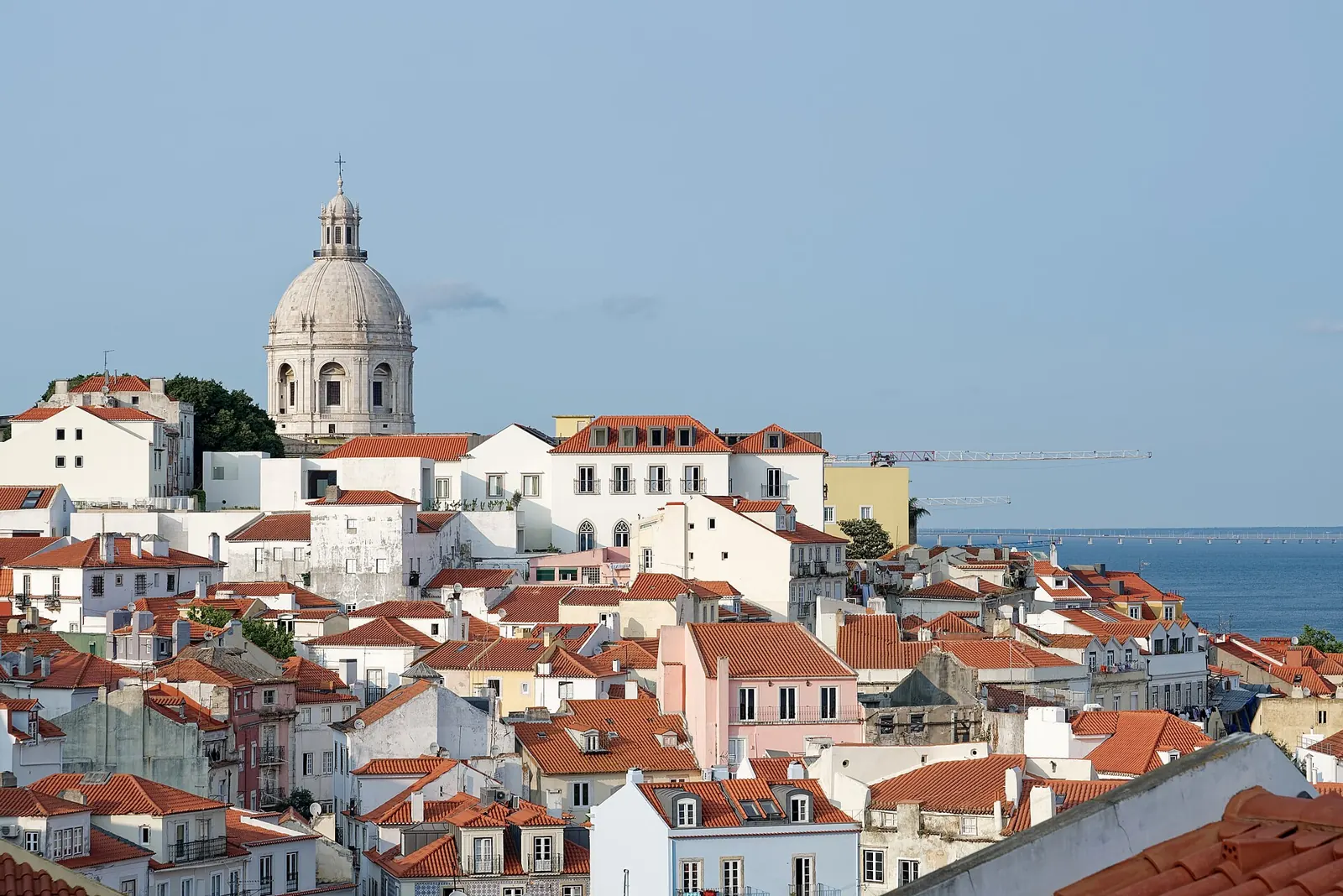
Portugal offers retirees something rare: genuine coastal living on a pension budget.
A couple retiring to the Silver Coast spends roughly €1,200 to €1,500 per month including rent, compared to €2,800+ for equivalent coastal living in Spain or France.
Here’s your town-by-town breakdown of where to settle, what it costs, and how to make the move in 2026.
Why Portugal Is One of the Best Countries to Retire Abroad in 2026
Portugal ranks among Europe’s most retirement-friendly destinations because it combines low costs with first-world infrastructure. The country consistently lands in the top 7 of the Global Peace Index, and its retirement visa program actively courts foreign pensioners.
Cost of Living Advantages for Retirees
Best places to retire in Portugal conversations always start with money, and the numbers hold up under scrutiny. Outside Lisbon and Porto, your dollar or pound stretches further than almost anywhere in Western Europe.
| Expense | Portugal (Coastal Town) | Spain (Costa del Sol) | France (Brittany) |
|---|---|---|---|
| 1-Bed Rent | €500–€750/mo | €700–€1,000/mo | €600–€900/mo |
| Groceries (couple) | €250–€350/mo | €300–€400/mo | €400–€500/mo |
| Dining Out (meal for 2) | €20–€30 | €30–€45 | €40–€60 |
| Private Health Insurance | €80–€150/mo | €150–€250/mo | €200–€350/mo |
| Utilities | €80–€120/mo | €100–€150/mo | €120–€180/mo |
Portugal’s local markets keep grocery costs low. A weekly shop at a municipal market runs 30–40% cheaper than supermarket equivalents.
Portugal’s D7 Passive Income Visa for Retirees
The D7 visa remains the primary pathway for retirees from the US, UK, and Canada. Portugal requires applicants to demonstrate passive income from pensions, investments, or rental properties.
- Minimum income threshold: approximately €9,120/year (Portuguese minimum wage), though consulates in practice expect €1,000–€1,500/month for comfortable approval
- Application process: starts at the Portuguese consulate in your home country, requires a NIF (tax number), Portuguese bank account, and proof of accommodation
- Processing time: 2–4 months from application to approval in 2026, though some consulates run slower
- Initial permit: 2 years, renewable for 3-year periods
- Physical presence requirement: minimum 16 months during the first 2-year period
The D7 visa leads directly to permanent residency after 5 years and citizenship eligibility at the same mark, provided you pass a basic A2 Portuguese language test.
Healthcare Access Through the SNS System
Portugal’s Serviço Nacional de Saúde (SNS) provides public healthcare to all legal residents. Quality varies by region, but the system consistently outperforms its modest costs.
- SNS enrollment: automatic once you register residency at your local junta de freguesia
- GP visits: €4.50 copay at public health centers
- Emergency room: €18 copay at public hospitals
- Private health insurance: €80–€150/month for retirees aged 60–70, covering private hospitals and shorter wait times
- Dental care: private dental cleaning runs €40–€60, a filling costs €50–€80
Most expat retirees maintain private insurance through providers like Médis, Multicare, or Allianz while using the SNS for routine care. The Algarve and Madeira offer the strongest healthcare infrastructure outside major cities.
Portugal’s NHR (Non-Habitual Resident) tax regime closed to new applicants in late 2024. The successor program, introduced in 2025, targets specific professions and regions rather than retirees. New arrivals in 2026 face standard Portuguese tax rates on worldwide income, though pension income from countries with double-taxation treaties (including the US, UK, and Canada) receives partial protection. Consult a Portuguese tax advisor before moving. This single decision affects thousands of euros annually.
Affordable Coastal Towns in the Algarve
The Algarve delivers the warmest weather and largest expat community in Portugal, though it comes with higher costs than other coastal regions. Three towns stand out for retirees seeking the Algarve lifestyle without the premium pricing of Albufeira or Vilamoura.
Lagos: Historic Charm with Beach Access
Lagos balances a walkable historic center with dramatic cliff-backed beaches, and its growing expat community has pushed English proficiency in shops and restaurants above most Portuguese towns.
| Category | Lagos Details |
|---|---|
| 1-Bed Rent | €600–€800/mo |
| 2-Bed Rent | €800–€1,100/mo |
| Expat Community | Large, established, English-friendly |
| Nearest Hospital | Hospital de Lagos (public), HPA Alvor (private, 20 min) |
| Notable Beaches | Praia Dona Ana, Meia Praia, Ponta da Piedade |
| Walkability | High within old town, car helpful for outskirts |
Lagos works best for retirees who want social connection with other expats. The Marina has morning coffee groups, and several Facebook communities organize weekly meetups. Summers bring tourist crowds that triple the town’s population, making off-season living the real draw.
Tavira: The Quiet Algarve Alternative
Tavira attracts retirees who want the Algarve sun without the party atmosphere. This town on the eastern Algarve sits along the Ria Formosa Natural Park, offering barrier island beaches accessible by short ferry rides.
- 1-bed rent: €500–€700/month, roughly 15–20% below Lagos
- Real estate: apartments from €150,000–€200,000 for a renovated 2-bed
- Character: Roman bridge, traditional tile-fronted buildings, working fishing culture
- Healthcare: Centro de Saúde de Tavira for primary care, Faro Hospital 30 minutes by car
- Expat presence: moderate and growing, less party-oriented than western Algarve
Tavira’s eastern Algarve location means slightly warmer summers and fewer rainy days than Lagos. The trade-off is a smaller restaurant and nightlife scene, which most retirees consider a benefit.
Olhão: Authentic Portuguese Living by the Sea
Olhão is where budget-conscious retirees find genuine Portuguese coastal life. This working fishing town has the Algarve’s lowest rents and its best seafood market.
- 1-bed rent: €450–€650/month
- Mercado de Olhão: two waterfront market buildings with daily fresh fish, produce, and local goods
- Ferry access: regular boats to Ilha da Armona and Ilha da Culatra barrier island beaches
- Vibe: Portuguese families outnumber tourists, limited English spoken outside tourist areas
- Airport proximity: 15 minutes to Faro International
Olhão demands more Portuguese language effort than Lagos or Tavira. Retirees who invest in basic language skills find a welcoming community. Those who expect English-language convenience should look west.
Monthly budget comparison across Algarve towns (couple):
| Expense | Lagos | Tavira | Olhão |
|---|---|---|---|
| Rent (1-bed) | €700 | €600 | €550 |
| Groceries | €300 | €280 | €250 |
| Utilities | €100 | €95 | €90 |
| Dining out (8x/mo) | €200 | €160 | €130 |
| Transport | €80 | €70 | €70 |
| Health insurance | €120 | €120 | €120 |
| Total | €1,500 | €1,325 | €1,210 |
Best Silver Coast Towns for Budget-Conscious Retirees
The Silver Coast (Costa de Prata) runs north of Lisbon along the Atlantic. Expect cooler, breezier weather than the Algarve, dramatically lower costs, and easy day trips to the capital. This region suits retirees who prefer green landscapes and ocean mist over year-round sunshine.
Temperatures average 15–20°C in summer compared to the Algarve’s 25–35°C. Winters stay mild at 8–14°C with more rainfall. The payoff: rents run 30–50% lower than equivalent Algarve properties.
Caldas da Rainha: Thermal Springs and Low Costs
Caldas da Rainha sits 10 minutes inland from the coast and offers some of the lowest living costs in coastal Portugal. The town’s thermal hospital has operated since 1484, and a growing arts scene centered on ceramics gives the place genuine cultural texture.
- 1-bed rent: €350–€500/month
- Real estate: renovated 2-bed apartments from €90,000–€140,000
- Cultural scene: Rafael Bordalo Pinheiro museum, daily fruit market in Praça da República
- Healthcare: Centro Hospitalar do Oeste provides full hospital services
- Coast access: Foz do Arelho beach 12 minutes by car, São Martinho do Porto 20 minutes
The expat community here is small but committed. A handful of British, Dutch, and American retirees have settled in and around the town. You won’t find English menus, and that’s the point.
Peniche: Surf Town with Year-Round Affordability
Peniche juts into the Atlantic on a peninsula, surrounded by water on three sides. World-class surf breaks bring seasonal visitors, but the town’s fishing industry keeps it grounded and affordable year-round.
- 1-bed rent: €400–€600/month
- Seafood: fresh catch sold daily at the port, restaurant fish dishes from €8–€12
- Nature: boat trips to the Berlengas Nature Reserve, a UNESCO-protected archipelago 10 km offshore
- Connectivity: 1 hour to Lisbon by A8 motorway
- Surf culture: attracts a younger, active crowd, energizing the town’s social scene
Peniche works for retirees who stay physically active. The coastline trails suit daily walks, and the ocean proximity keeps air quality exceptional. Winter storms bring dramatic wave-watching from the safety of Supertubos viewpoint.
São Martinho do Porto: Sheltered Bay Living
São Martinho do Porto wraps around a near-perfect semicircular bay that creates calm, warm swimming water. For retirees who want beach access without Atlantic surf, this small town delivers a unique setting.
- 1-bed rent: €350–€500/month
- Bay water: calm enough for year-round swimming, reaching 22–24°C in summer
- Population: approximately 3,000 residents, with seasonal visitors doubling this in July and August
- Pace: genuinely quiet from October through May
- Amenities: basic supermarkets and pharmacies, larger shopping in Caldas da Rainha (15 minutes)
The seasonal swing is the main consideration here. Winter brings beautiful solitude and empty beaches. It also brings closed restaurants and a social life limited to your neighbors. Retirees who thrive on routine and self-sufficiency love it. Those who need regular social stimulation find the off-season isolating.
Silver Coast monthly budget (couple) vs Algarve average:
| Expense | Silver Coast Avg | Algarve Avg | Savings |
|---|---|---|---|
| Rent (1-bed) | €425 | €617 | €192/mo |
| Groceries | €230 | €277 | €47/mo |
| Utilities | €85 | €95 | €10/mo |
| Dining out | €120 | €163 | €43/mo |
| Transport | €65 | €73 | €8/mo |
| Total (excl. insurance) | €925 | €1,225 | €300/mo |
A couple retiring to the Silver Coast saves roughly €3,600 per year compared to the Algarve, and that gap widens with real estate purchases.
Madeira and the Azores: Island Retirement Options
Portugal’s Atlantic islands offer a distinct retirement experience. Year-round mild temperatures, volcanic landscapes, and costs that rival or undercut the mainland make both archipelagos worth serious consideration.
Funchal, Madeira: Subtropical Living on a Budget
Funchal delivers year-round temperatures between 16–25°C, making it one of Europe’s most climate-stable cities. The capital of Madeira has invested heavily in infrastructure over the past decade, and its expat community now includes a significant retiree population.
- 1-bed rent: €500–€700/month in the city center, €400–€550 in surrounding parishes
- Healthcare: Hospital Dr. Nélio Mendonça provides full services, several private clinics
- Flight connections: direct flights to London, Lisbon, Porto, and several German cities
- Expat community: active, with regular meetups and a growing digital nomad presence that keeps cafes and restaurants thriving year-round
- Unique advantage: Madeira’s banana, passion fruit, and fish markets keep fresh food costs exceptionally low
Funchal’s hillside geography means daily life involves slopes. Retirees with mobility concerns should choose accommodation in the flatter Zona Velha (old town) or along the waterfront promenade.
Ponta Delgada, Azores: Off-the-Radar Coastal Retirement
Ponta Delgada on São Miguel island remains one of Europe’s most underpriced coastal cities. The Azores’ largest town combines geothermal hot springs, volcanic crater lakes, and an Atlantic lifestyle at costs that surprise even experienced bargain hunters.
- 1-bed rent: €350–€500/month
- Real estate: 2-bed apartments from €80,000–€130,000
- Climate: milder than mainland Portugal but cloudier, 14–24°C year-round
- Flight time: 2.5 hours to Lisbon, direct summer flights to Boston and Toronto
- Unique features: hot spring bathing, whale watching, lush green landscapes unlike the rest of Portugal
The Azores’ geographic isolation is both the attraction and the challenge. Shipping household goods costs more. Flight options narrow in winter. Amazon deliveries take longer. Retirees who embrace island rhythm thrive here. Those who need constant mainland access will feel the distance.
Island tax incentives in both Madeira and the Azores include reduced IRS (income tax) rates compared to mainland Portugal. The Azores offers a 20–30% reduction on mainland tax brackets. Confirm current rates with a tax advisor, as these programs update annually.
Cost of Living Breakdown: What Retirement Actually Costs in Coastal Portugal (2026)
The real question for every retiree: “What’s the actual monthly number?” Here’s the honest breakdown using 2026 market data across all nine towns.
Housing: Rent vs. Buy in Each Region
Rental markets across Portugal’s coast have stabilized after several years of increases. Buying remains attractive for retirees planning to stay 5+ years, with transaction costs (IMT tax, stamp duty, legal fees) running approximately 8–10% of purchase price.
| Town | 1-Bed Rent | 2-Bed Rent | Buy (2-Bed, €/m²) |
|---|---|---|---|
| Lagos | €600–€800 | €800–€1,100 | €2,800–€3,500 |
| Tavira | €500–€700 | €700–€900 | €2,200–€2,800 |
| Olhão | €450–€650 | €650–€850 | €2,000–€2,600 |
| Caldas da Rainha | €350–€500 | €500–€700 | €1,200–€1,800 |
| Peniche | €400–€600 | €600–€800 | €1,500–€2,200 |
| São Martinho do Porto | €350–€500 | €500–€700 | €1,300–€1,900 |
| Funchal | €500–€700 | €700–€950 | €2,000–€2,800 |
| Ponta Delgada | €350–€500 | €500–€700 | €1,100–€1,600 |
Idealista.pt and Imovirtual.com remain the primary property search platforms. Always verify listed prices with a local estate agent, as online listings in smaller towns often lag behind actual market conditions.
Daily Expenses: Groceries, Dining, Transportation
Grocery costs at local markets and discount chains (Pingo Doce, Lidl, Continente) run remarkably consistent across regions. The biggest variable is dining out, where tourist-heavy areas charge a clear premium.
- Weekly market shop (couple): €50–€70 for fresh produce, fish, meat, bread, and dairy
- Supermarket basics: milk €0.80, bread €1.20, dozen eggs €2.50, local wine €3–€5/bottle
- Restaurant lunch (prato do dia): €7–€10 including drink, available at most local restaurants
- Gasoline: approximately €1.70/liter in 2026
- Public transport: monthly pass €30–€40 in larger towns, limited in smaller coastal areas
- Car ownership: budget €150–€200/month including insurance, fuel, and maintenance for a used vehicle
Healthcare and Insurance Costs
Private health insurance for retirees between 60–70 years old costs €80–€150/month per person through major Portuguese insurers. Premiums increase with age, and pre-existing conditions affect pricing.
| Provider | Monthly Premium (age 65) | Hospital Network | Dental Included |
|---|---|---|---|
| Médis | €95–€130 | Extensive | Basic coverage |
| Multicare | €85–€120 | Extensive | Optional add-on |
| Allianz | €100–€150 | Large | Basic coverage |
| AdvanceCare | €80–€110 | Growing | Limited |
Utilities across all regions average €80–€120/month for electricity, water, gas, and internet. Portuguese electricity rates rank among Europe’s highest relative to income, so insulated housing and solar water heaters make a meaningful budget difference.
Visa and Legal Requirements for Retiring in Portugal in 2026
The bureaucratic side of retiring in Portugal requires patience and paperwork, but the process is well-documented and manageable.
D7 Passive Income Visa: Step-by-Step
The D7 visa application follows a predictable sequence. Starting 6–8 months before your intended move gives comfortable buffer for delays.
- Obtain a NIF (Número de Identificação Fiscal): apply through a fiscal representative or in person at a Finanças office. Online services through authorized representatives charge €100–€200
- Open a Portuguese bank account: requires NIF, passport, proof of address, and proof of income. ActivoBank, Millennium BCP, and Novo Banco are expat-friendly options
- Secure accommodation proof: rental contract, property deed, or invitation letter from a resident
- Gather documents: criminal background check (apostilled), proof of income, health insurance valid in Portugal, passport photos
- Apply at your local Portuguese consulate: submit documents, attend interview, pay application fee (approximately €90)
- Wait for approval: 2–4 months typical processing time
- Enter Portugal and schedule SEF/AIMA appointment: convert visa to residence permit within 4 months of arrival
Tax Residency and the NHR Successor Regime
The original NHR program offered a flat 10% tax rate on foreign pension income. That program closed to new applicants. The 2025 successor regime, called the Incentivized Tax Status (IFI), targets scientific researchers, tech workers, and specific professional categories rather than retirees.
New retirees arriving in 2026 face standard Portuguese progressive tax rates on worldwide income:
| Taxable Income (€) | Rate |
|---|---|
| Up to €7,703 | 14.5% |
| €7,703–€11,623 | 21% |
| €11,623–€16,472 | 26.5% |
| €16,472–€21,321 | 28.5% |
| €21,321–€27,146 | 35% |
| €27,146–€39,791 | 37% |
Double taxation treaties between Portugal and the US, UK, and Canada prevent being taxed twice on pension income. US Social Security payments, for example, are typically taxed only in Portugal once you become a Portuguese tax resident. Specifics vary by income type. A tax advisor familiar with your home country’s treaty is essential.
Banking and Financial Setup
Portuguese banks require in-person account opening for non-residents, though some now offer video verification for initial NIF applications.
- Best banks for expats: Millennium BCP (largest branch network), ActivoBank (zero-fee digital banking), Novo Banco (English-speaking staff in tourist regions)
- Required documents: NIF, passport, proof of foreign address, proof of income
- Account fees: range from €0 (ActivoBank) to €5–€8/month at traditional banks
- International transfers: use Wise (formerly TransferWise) for currency conversion rather than bank wire transfers, saving 2–4% on exchange rates
Getting your NIF and bank account established before arriving streamlines everything else. Several online services handle NIF applications remotely for a fee.
Practical Tips for Choosing Your Coastal Town
Every town on this list works for retirement. The right choice depends on your personal priorities, not on which town has the best marketing.
Climate Preferences: Atlantic vs Mediterranean
Portugal’s coast splits into two distinct climate zones, and this difference shapes daily life more than most retirees expect.
- Algarve and Madeira: 300+ sunny days/year, warm winters (12–16°C), hot summers (28–35°C), minimal rainfall June through September
- Silver Coast: 220–250 sunny days/year, cooler summers (18–24°C), mild winters (8–14°C), more cloud cover and rain
- Azores: 200–220 sunny days/year, consistent temperatures (14–24°C), frequent cloud cover, lush green landscapes
If you suffer from seasonal depression or joint pain that worsens with cold, the Algarve or Madeira provides measurable health benefits. If you overheat easily or love green landscapes, the Silver Coast and Azores feel more like home.
Language and Expat Community Considerations
English proficiency varies dramatically by region, and this affects your daily experience more than any other factor.
| Region | English Proficiency | Expat Density | Portuguese Needed? |
|---|---|---|---|
| Western Algarve | High | High | Helpful, not essential |
| Eastern Algarve | Moderate | Moderate | Recommended |
| Silver Coast | Low–Moderate | Low | Essential for daily life |
| Funchal | Moderate–High | Moderate | Helpful |
| Azores | Low | Very Low | Essential |
Learning Portuguese transforms your retirement experience regardless of location. Even basic conversational ability opens doors to friendships, better prices, and a sense of belonging that English-only expat bubbles never provide.
Healthcare Proximity and Quality
For retirees over 65, healthcare access should rank near the top of your location criteria. A town with beautiful beaches means little if the nearest hospital is an hour away.
- Best healthcare access: Lagos, Funchal, Caldas da Rainha (all have hospitals within town)
- Good access: Tavira, Peniche, Ponta Delgada (hospitals within 20–30 minutes)
- Limited local healthcare: Olhão, São Martinho do Porto (rely on nearby towns for hospital services)
Schedule a 1–3 month trial stay before committing to any town. Rent a furnished apartment through platforms like Idealista, Uniplaces, or local Facebook housing groups. Visit in the off-season (November through February) when tourist crowds vanish and you experience the town as residents do. The town you love in summer sometimes feels different in January. This trial period costs far less than discovering a mismatch after signing a long-term lease or buying property.
FAQ
How much money do I need per month to retire comfortably in coastal Portugal?
A couple lives comfortably on €1,200–€1,800/month in Silver Coast or Azores towns, and €1,500–€2,200/month in the Algarve or Madeira. These figures include rent, groceries, healthcare, and modest dining out.
Do I need to speak Portuguese to retire in Portugal?
The Algarve and Funchal function well in English for daily errands. Silver Coast and Azores towns require basic Portuguese for shopping, medical appointments, and socializing. Learning the language significantly improves quality of life everywhere.
Is the D7 visa hard to get for American retirees?
The D7 visa process is straightforward if your paperwork is complete. Americans with pension or Social Security income above €1,000/month and clean criminal records typically receive approval within 2–4 months. The paperwork gathering takes longer than the actual application.
What happened to Portugal’s NHR tax program for retirees?
The NHR program closed to new applicants in late 2024. Its replacement, the IFI regime, focuses on professional workers rather than retirees. New arrivals in 2026 pay standard Portuguese income tax rates, though double taxation treaties protect against being taxed in both countries.
Is it better to rent or buy property as a retiree in Portugal?
Rent first, always. A 1–3 month trial stay helps you choose the right town before committing. If you plan to stay 5+ years, buying often makes financial sense, especially on the Silver Coast or Azores where property prices remain low. Transaction costs of 8–10% mean short-term ownership rarely pays off.
How good is Portuguese healthcare for retirees?
The SNS public system provides competent care at minimal cost. Wait times for specialist appointments run 2–6 weeks through the public system. Private insurance (€80–€150/month) gives faster access and wider specialist choice. Hospital quality in the Algarve, Funchal, and larger Silver Coast towns meets international standards.
Which Portuguese coastal town has the best weather for retirees?
Funchal, Madeira offers the most consistent year-round climate, with temperatures rarely dropping below 16°C or rising above 25°C. The Algarve provides more sunshine and hotter summers. Personal heat tolerance matters more than any objective ranking.
How long does it take to get Portuguese citizenship through retirement?
The D7 visa leads to permanent residency after 5 years and citizenship eligibility at the same mark. You need to maintain physical presence (minimum 16 months per 2-year permit period) and pass an A2 Portuguese language test. The citizenship application itself takes 12–18 months to process after submission.