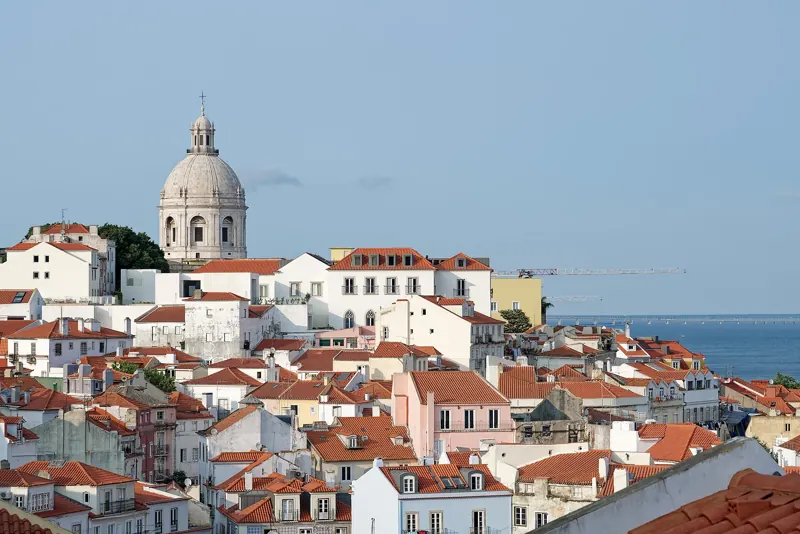
Portugal keeps topping “best retirement abroad” lists, but choosing the right region matters more than choosing the country.
Over 12,000 American retirees now call Portugal home, spread across four distinct regions with wildly different price tags, climates, and daily rhythms.
This algarve vs lisbon vs porto vs madeira retirement comparison breaks down everything you need to pick the region that fits your retirement vision.
Quick Comparison: Algarve vs Lisbon vs Porto vs Madeira at a Glance
Each region attracts a different type of retiree, and the gaps between them are bigger than most people expect.
| Factor | Algarve | Lisbon | Porto | Madeira |
|---|---|---|---|---|
| Climate | Hot summers, mild winters, 300+ sunny days | Warm Mediterranean, rainy winters | Cooler, wetter, four distinct seasons | Subtropical “eternal spring,” 18-25°C year-round |
| Avg. 1BR Rent (2026) | €750-1,100 | €1,100-1,600 | €700-1,000 | €650-950 |
| Healthcare Rating | Good routine care, limited specialists | Excellent, best in country | Excellent, strong university hospital | Good regional, limited specialists |
| English Proficiency | High (large British expat base) | High (tourism + expat influx) | Moderate | Moderate-Low outside Funchal |
| Expat Community | Large, well-established | Large, fast-growing American presence | Smaller, more immersive | Small but growing |
| Overall Vibe | Beach-resort lifestyle, relaxed | Cosmopolitan, culturally rich | Authentic, foodie, understated | Island tranquility, nature-focused |
Quick verdict: Sun-seekers and golf lovers thrive in the Algarve. Culture addicts and those wanting US-flight convenience pick Lisbon. Value-hunters who love authenticity choose Porto. Nature lovers craving year-round mild weather land in Madeira.
Cost of Living Comparison by Region (2026 Data)
Porto and Madeira deliver the best value for retirees on a moderate budget, while Lisbon commands a premium for its urban conveniences.
Housing Costs: Rent and Purchase Prices
Housing eats the biggest chunk of any retirement budget in Portugal. Regional differences here dwarf every other expense category.
- Algarve: A one-bedroom apartment in Lagos or Tavira runs €800-1,100/month. Move inland to Silves or Loulé and prices drop to €600-800. Purchase prices average €2,800-3,500/m² along the coast
- Lisbon: The priciest option. A one-bedroom in Cascais or Belém costs €1,200-1,600/month. Central Lisbon pushes higher. Purchase prices hit €4,500-6,000/m² in desirable neighborhoods
- Porto: Strong value for a major city. One-bedroom apartments in Foz do Douro or Matosinhos range €750-1,000/month. Purchase prices sit around €2,500-3,200/m²
- Madeira: Surprisingly affordable for an island. Funchal one-bedrooms run €650-950/month. Outside Funchal, expect €500-700. Purchase prices average €2,000-2,800/m²
Groceries, Dining Out & Daily Expenses
Portugal’s food costs remain remarkably low compared to the US, regardless of region.
- Weekly grocery shopping for a couple averages €80-110 across all regions. Local markets in Porto and Madeira run cheapest
- A restaurant meal with wine costs €12-18 per person in Porto and Madeira, €15-22 in the Algarve, and €18-28 in Lisbon
- Coffee culture runs strong everywhere. A galão (Portuguese latte) costs €1.20-1.80 depending on location
Utilities, Internet & Transportation
Monthly utilities for a moderate apartment average €100-150 across all regions, with winter heating pushing Porto’s bills slightly higher.
- Internet: Fiber-optic plans run €30-40/month everywhere. Coverage reaches rural Algarve and most of Madeira
- Transportation: Lisbon’s metro pass costs €40/month and covers buses, trams, and trains. The Algarve requires a car (budget €200-300/month including fuel and insurance). Porto’s metro costs €35/month. Madeira’s bus system works but a car improves quality of life significantly
Overall Monthly Budget Breakdown for Retirees
Here is what a comfortable retirement looks like for a couple in each region, excluding major travel.
| Expense | Algarve | Lisbon | Porto | Madeira |
|---|---|---|---|---|
| Rent (1BR/2BR) | €900-1,300 | €1,300-1,800 | €800-1,200 | €700-1,000 |
| Groceries | €400-500 | €450-550 | €350-450 | €350-450 |
| Utilities + Internet | €130 | €140 | €150 | €120 |
| Healthcare (private) | €200-300 | €200-300 | €180-280 | €180-260 |
| Dining Out | €250-350 | €300-450 | €200-300 | €200-300 |
| Transport | €250 (car) | €80 (public) | €70 (public) | €200 (car) |
| Entertainment | €150-250 | €200-350 | €150-250 | €100-200 |
| TOTAL | €2,280-3,080 | €2,670-3,670 | €1,900-2,700 | €1,850-2,530 |
Porto and Madeira allow comfortable retirement on $2,500-3,000/month. Lisbon requires closer to $3,500-4,500 for the same lifestyle.
Climate and Weather: Year-Round Living Conditions
Madeira wins for year-round temperature consistency, while the Algarve dominates for pure sunshine hours.
Summer Comfort and Heat Considerations
Summer separates these regions dramatically. Retirees with heat sensitivity need to pay attention here.
- Algarve: July and August regularly hit 35-40°C (95-104°F). Coastal breezes help, but inland areas bake. Air conditioning becomes essential, not optional
- Lisbon: Slightly cooler than the Algarve at 30-35°C, with ocean breezes from the Tagus estuary. Still hot enough that many locals leave the city in August
- Porto: The mildest summers among the mainland options. Temperatures hover around 25-28°C (77-82°F). Comfortable without air conditioning most days
- Madeira: The clear winner for heat-averse retirees. Summer temperatures stay at 22-26°C (72-79°F) with consistent ocean breezes. You will rarely sweat through your shirt in Funchal
Winter Mildness and Rainfall Patterns
Winter weather determines whether you love or regret your choice of region.
- Algarve: Mild winters averaging 12-16°C (54-61°F) with limited rainfall. You wear a light jacket, not a winter coat. Swimming remains possible in October and sometimes November
- Lisbon: Similar temperatures to the Algarve but significantly more rain from November through February. Expect 10-12 rainy days per month in winter
- Porto: The wettest option. Winter temperatures drop to 8-13°C (46-55°F) with frequent rain. Porto gets about 1,200mm of annual rainfall compared to the Algarve’s 500mm. Homes often lack central heating, making winters feel colder than the thermometer suggests
- Madeira: Winter temperatures rarely dip below 15°C (59°F) in Funchal. Rain increases at higher elevations but the southern coast stays relatively dry. The “eternal spring” reputation holds up
Best Region for Year-Round Outdoor Living
For retirees who want to walk, garden, swim, or sit on a terrace 12 months a year, the ranking is clear: Madeira and the Algarve lead, followed by Lisbon, with Porto trailing on rainy days.
Healthcare Access and Quality for Retirees
Lisbon offers the strongest healthcare in Portugal for retirees, with Porto close behind. Both island and coastal options have meaningful trade-offs.
Public Healthcare (SNS) by Region
Portugal’s national health service (Serviço Nacional de Saúde) provides coverage to legal residents, including D7 visa holders. Quality varies significantly by region.
One catch: SNS access starts only after residency is registered, so arrivals need private cover from day one. SafetyWing offers flexible monthly coverage while you set up local insurance.
- Lisbon: Shortest wait times, most facilities, broadest specialist coverage. Hospital de Santa Maria and Hospital da Luz rank among the country’s best
- Porto: The Centro Hospitalar Universitário do Porto provides excellent care. Wait times run slightly longer than Lisbon but shorter than other regions
- Algarve: The Hospital de Faro handles most needs. Routine care works fine. Complex procedures or rare specialist consultations often require a trip to Lisbon (3 hours by car or 45 minutes by plane)
- Madeira: Hospital Dr. Nélio Mendonça in Funchal covers standard care well. Serious conditions sometimes require air transfer to the mainland, a factor worth weighing honestly
Private Healthcare Options and Costs
Most American retirees supplement public healthcare with private health insurance.
- Annual private insurance premiums for retirees aged 60-70 range from €1,800-3,600 depending on coverage level and pre-existing conditions
- Private consultations cost €50-100 per visit across all regions
- Lisbon and Porto offer the widest selection of private hospitals and clinics. The Algarve has growing private options, especially in Faro and Portimão
- Popular insurers for expats include Multicare, Médis, and international options like Cigna Global or Allianz Care
English-Speaking Doctors and Medical Staff
Finding English-speaking medical professionals varies more than people expect.
- Lisbon: Easiest. Many doctors trained internationally or at English-medium programs. Hospital da Luz and CUF hospitals cater to international patients
- Algarve: Good English availability in private clinics, especially those serving the British community. Public hospital staff varies
- Porto: Moderate. Younger doctors generally speak English well. Older practitioners and administrative staff often do not
- Madeira: Most challenging outside Funchal’s main facilities. Having basic Portuguese helps enormously for medical interactions on the island
Visa and Residency Options for Retiring in Portugal (2026)
The Portugal D7 visa retirement pathway remains the most popular route for American retirees, though the landscape shifted after NHR changes.
D7 Passive Income Visa Requirements
The D7 visa requires proof of passive income (pensions, Social Security, investment returns, rental income) meeting Portugal’s minimum threshold.
- 2026 minimum income: approximately €9,120/year for the primary applicant (based on minimum wage updates), plus 50% for a spouse and 30% per dependent
- Practical reality: consulates prefer seeing €1,500-2,000/month or more for comfortable approval
- Processing timeline: 4-6 months from application to approval through AIMA (formerly SEF)
- Initial visa lasts 2 years, renewable for 3-year periods
- Required documents: proof of income, Portuguese bank account, rental agreement or property deed, health insurance, clean criminal record
NHR Tax Regime: What’s Left in 2026
The original Non-Habitual Resident (NHR) program closed to new applicants in 2024. The replacement “NHR 2.0” (Incentivo Fiscal à Investigação Científica e Inovação) targets researchers and tech workers, making it largely irrelevant for typical retirees.
- Retirees who secured NHR before the cutoff enjoy their benefits for the full 10-year period
- New retirees in 2026 face standard Portuguese tax rates on worldwide income: 14.5-48% progressive scale
- US Social Security payments receive favorable treatment under the US-Portugal tax treaty, often taxed only in the US
- US expats must continue filing US tax returns and FATCA reports regardless of Portuguese residency. The Foreign Earned Income Exclusion does not apply to pension income, but the Foreign Tax Credit prevents double taxation
Path to Permanent Residency and Citizenship
After 5 years of legal residency, you qualify for permanent residency. Portuguese citizenship becomes available at the same 5-year mark, requiring a basic A2-level Portuguese language test.
Portuguese citizenship grants EU citizenship, opening the door to live anywhere in the European Union. Processing times for citizenship applications currently run 12-18 months after submission.
Algarve: The Sun-Soaked Retirement Haven
The Algarve delivers what most people picture when they imagine retiring in Portugal: golden beaches, reliable sunshine, and a well-worn expat infrastructure.
Best Towns and Neighborhoods for Retirees
Each Algarve town offers a distinct personality and price point.
- Tavira: The most elegant option. Quieter than Lagos, with Roman bridges, tile-fronted buildings, and a refined atmosphere. Popular with retirees who want beauty without rowdiness. Rents run €800-1,100 for a nice apartment
- Lagos: Vibrant, walkable, stunning cliff-backed beaches. More nightlife and younger energy. Pricier at €900-1,200 but delivers excellent infrastructure
- Silves: Inland, authentic, and affordable at €600-800. The old Moorish capital with a spectacular castle. You trade beach proximity for character and savings
- Carvoeiro: Small, scenic cove town with a village feel. British retirees dominate. Prices mirror Lagos
- Loulé: Market town with the best weekly farmer’s market in the Algarve. Good central location. Moderate pricing
Lifestyle, Activities & Expat Community
The Algarve’s expat community is the oldest and most established in Portugal. British retirees built the foundation decades ago, and Americans have joined steadily since 2018.
- 40+ golf courses within the region. Green fees range from €40-150 depending on season and course prestige
- Beaches range from dramatic cliff-framed coves to wide sandy stretches. Water temperature reaches 22-23°C in summer
- Hiking trails along the Via Algarviana and the Rota Vicentina offer world-class coastal walking
- Expat social clubs, bridge groups, charity organizations, and English-language church services operate year-round
Pros and Cons for Retirement
Pros: Unbeatable sunshine, established English-speaking infrastructure, gorgeous coastline, strong property market, easy lifestyle
Cons: Car dependency (public transport is limited), seasonal population swings (some towns feel empty in winter, overrun in summer), limited cultural scene compared to cities, healthcare requires Lisbon trips for complex needs
Lisbon: Urban Retirement with Culture and Convenience
Lisbon retirement appeals to retirees who refuse to give up city energy, cultural richness, and the convenience of world-class infrastructure.
Best Neighborhoods for Retirees
Central Lisbon’s hills and stairs create real mobility challenges. Smarter choices exist in flatter, calmer areas.
- Cascais: Coastal town 30 minutes west by train. Beach access, upscale dining, flat terrain, strong international community. Essentially a small city within Lisbon’s orbit. Rents €1,200-1,800
- Belém: Waterfront district with museums, gardens, and the famous pastéis de Belém. Flatter than central Lisbon. Good tram connections. Rents €1,100-1,500
- Príncipe Real: Lisbon’s most cosmopolitan neighborhood. Excellent restaurants, the botanical garden, LGBTQ+-friendly. Walkable but hilly. Premium pricing at €1,400-2,000
- Estoril: Adjacent to Cascais, slightly quieter, with casino gardens and seafront promenade. Strong British and American presence
Lifestyle, Activities & Expat Community
Lisbon delivers the widest range of activities and cultural experiences of any Portuguese city.
- Direct flights to New York, Newark, Boston, Washington, Miami, Chicago, San Francisco, and Los Angeles. No connection needed to visit family
- World-class museums (Gulbenkian, MAAT, Berardo), live music (fado houses to jazz clubs), and a restaurant scene rivaling major European capitals
- The metro, trams, buses, and suburban trains create a genuinely car-free lifestyle
- The American expat community has grown rapidly since 2020. Facebook groups, meetups, and organizations like Americans & Friends in Portugal (AFP) provide instant social connections
Pros and Cons for Retirement
Pros: Best healthcare access, direct US flights, no car needed, rich cultural life, largest English-speaking community, excellent restaurants
Cons: Highest cost of living among the four regions, tourist congestion in central areas, challenging hills for mobility-limited retirees, noise and urban density, summers can feel hot in the city center
Porto: Affordable Charm in Portugal’s Second City
Porto offers retirees the best balance of city amenities, authentic Portuguese culture, and reasonable prices.
Best Neighborhoods for Retirees
Porto’s best retirement neighborhoods cluster along the coast and river, offering walkability and beauty.
- Foz do Douro: Where the Douro River meets the Atlantic. Upscale, peaceful, excellent seafood restaurants, flat coastal promenade for walking. Porto’s premium retirement address at €900-1,200
- Matosinhos: Beach town adjacent to Porto with the city’s best fresh seafood. More affordable at €700-950. Metro-connected to downtown
- Vila Nova de Gaia: Across the river from Porto’s historic center. Port wine lodges, stunning river views, and prices 15-20% lower than Porto proper
- Boavista: Porto’s modern business district. Flat, well-connected, close to the beautiful Serralves museum and gardens. Mid-range pricing
Lifestyle, Activities & Expat Community
Porto rewards retirees who want genuine immersion in Portuguese life rather than an expat bubble.
- Portugal’s gastronomy capital. Francesinha sandwiches, fresh grilled sardines, and bacalhau prepared 365 different ways. Port wine cellars open for tastings year-round
- The Livraria Lello, Serralves Contemporary Art Museum, and Casa da Música deliver serious cultural weight
- Day trips to the Douro Valley wine region take 90 minutes by car or scenic train
- The expat community is smaller than Lisbon’s or the Algarve’s, meaning you make Portuguese friends faster. This is either a pro or con depending on your personality
Pros and Cons for Retirement
Pros: Excellent value for money, strong healthcare infrastructure, authentic culture, outstanding food and wine scene, growing but manageable expat community, beautiful architecture
Cons: Rainier and cooler climate (especially November through March), smaller international airport with fewer direct US routes, fewer English-speaking services in daily life, homes often lack adequate heating
Madeira: Island Paradise for Peaceful Retirement
Madeira retirement attracts people who prioritize natural beauty, safety, and climate stability above urban convenience.
Best Towns for Retirees on the Island
Funchal dominates as the practical choice, but satellite towns offer quieter alternatives.
- Funchal: The island’s capital and only real city. Walkable center, restaurants, shops, markets, hospital access. Most expats base here. Rents €700-1,000 for a nice apartment with views
- Câmara de Lobos: Winston Churchill’s favorite painting spot. Fishing village charm, 10 minutes from Funchal. Cheaper at €500-750
- Caniço: Quiet residential area east of Funchal with ocean access and a calmer pace. Growing expat presence. €550-800
- Machico: The island’s second town, on the eastern coast near the airport. Beach, local restaurants, authentic feel. Budget-friendly at €450-700
Lifestyle, Activities & Expat Community
Madeira’s lifestyle centers on nature, walking, and a slower rhythm that some retirees find healing and others find limiting.
- Levada walks are Madeira’s signature activity. Over 2,500km of irrigation channel paths wind through laurel forests, along mountain ridges, and past waterfalls. Difficulty ranges from flat strolls to serious mountain hikes
- Subtropical gardens (Monte Palace, Botanical Garden) rival anything on the European mainland
- Year-round swimming at natural volcanic pools (Porto Moniz) and the Lido complex in Funchal
- The digital nomad and retiree community has grown steadily since 2022, with coworking spaces and social meetups in Funchal. The community skews European (German, British, Scandinavian) with a growing American contingent
Pros and Cons for Retirement
Pros: Best year-round climate, stunning natural beauty, very low crime, affordable cost of living, peaceful atmosphere, strong value for money
Cons: Island isolation (flights connect primarily through Lisbon or Porto, adding 1.5-2 hours to any mainland trip), limited shopping and dining variety, the airport’s crosswind landings occasionally cause diversions, specialist healthcare limitations, smaller social scene
Language, Integration & Social Life by Region
English gets you through daily life in Lisbon and the Algarve. Porto and Madeira reward Portuguese effort with deeper community connections.
English Proficiency Levels
- Lisbon: High. Most service workers, professionals, and younger residents speak functional to fluent English. You can handle banking, healthcare, and bureaucracy in English with minimal friction
- Algarve: High in tourist and expat areas. The British expat infrastructure means English menus, English-speaking tradespeople, and English social clubs are standard. Inland areas are more Portuguese-dependent
- Porto: Moderate. University students and younger professionals speak English well. Older residents and tradespeople often speak limited English. Government offices and utility companies generally operate in Portuguese
- Madeira: Moderate to low outside Funchal’s tourist core. Hotel and restaurant staff in Funchal speak English. Beyond that, Portuguese becomes important for meaningful daily interactions
Social Clubs and Expat Organizations
Building a social life abroad requires intentional effort. Every region offers structures to help.
- Algarve: The most organized expat social scene. Algarve Expat Club, International Rotary chapters, golf clubs, walking groups, and charity organizations operate year-round
- Lisbon: AFP (Americans & Friends in Portugal), InterNations meetups, numerous Facebook groups with active event calendars. Hash House Harriers for the adventurous
- Porto: Smaller but warm community. Porto Expat Meetups, wine tasting groups, cultural walking tours. Easier to form genuine friendships due to smaller numbers
- Madeira: Growing through Digital Nomad Madeira community events, hiking groups, and the Funchal International Social Club. More intimate gatherings than mainland options
Learning Portuguese: Resources and Necessity
Even in English-friendly areas, basic Portuguese transforms your experience. Locals respond with warmth when you make the effort.
In-person classes run €150-300/month in Lisbon and Porto. Online platforms like Practice Portuguese (specifically designed for European Portuguese) cost €15-20/month. Municipal programs in many towns offer free or low-cost Portuguese courses for residents.
Safety, Infrastructure & Daily Convenience
Portugal ranks as the 7th safest country globally on the 2026 Global Peace Index. All four regions benefit from this baseline of safety and security.
Crime Rates and Personal Safety
Violent crime remains extremely rare across all regions. Petty theft (pickpocketing, car break-ins) concentrates in tourist hotspots.
- Lisbon: Highest crime rates in Portugal but still far below most US cities. Watch your belongings on trams and in Alfama/Baixa
- Porto: Very safe. Minor pickpocketing in the Ribeira tourist zone
- Algarve: Safe year-round. Summer brings slightly more petty crime with tourist crowds
- Madeira: The safest option. Crime is remarkably low even by Portuguese standards
Transportation and Getting Around
Your daily mobility shapes retirement satisfaction more than people anticipate.
- Lisbon: Best public transport network. Metro, buses, trams, and suburban trains cover the entire metropolitan area. Budget €40-50/month for unlimited travel
- Porto: Good metro system covering the city and coast to Matosinhos. Bus network fills gaps. Manageable without a car if you live near a metro station
- Algarve: A car is essential. Public buses exist but run infrequently, especially outside summer. Budget €200-300/month for car ownership
- Madeira: Buses connect Funchal to most towns but schedules are limited. A car significantly improves flexibility, especially for exploring the island’s interior. Rental or ownership costs run similar to the Algarve
Shopping, Banking & Essential Services
All four regions cover essential needs, though variety differs substantially.
- Banking: ActivoBank (no fees, app-friendly) and Millennium BCP (largest branch network) serve expats well. International alternatives like Wise and Revolut handle multi-currency needs
- Groceries: Continente, Pingo Doce, and Lidl operate across all regions. Local markets in Porto and Madeira offer exceptional produce at lower prices
- Internet: Fiber-optic from NOS, MEO, or Vodafone delivers 100-1,000 Mbps for €30-40/month in all regions. Coverage reaches most areas, including rural Algarve and Madeira’s towns
Which Region Is Best for YOUR Retirement?
The right choice depends on what you refuse to compromise on, not what sounds nicest in a travel brochure.
Best for Budget-Conscious Retirees
Porto or inland Algarve stretch retirement dollars furthest. A couple lives comfortably on $2,500-3,000/month in either location. Madeira runs close behind, especially outside Funchal.
Best for Active and Social Retirees
Lisbon for culture-focused activity. Coastal Algarve for outdoor and sport-focused activity. Both regions offer the largest, most active expat communities with organized events happening daily.
Best for Healthcare-Focused Retirees
Lisbon first, Porto second. Retirees with ongoing medical needs or concerns about specialist access should prioritize proximity to major hospital systems. The peace of mind outweighs other factors for this group.
Best for Peace and Nature Lovers
Madeira delivers unmatched natural beauty and tranquility in a package that includes mild year-round weather and affordable living. Rural Algarve offers a mainland alternative with better connectivity.
The Smartest Move: Try Before You Commit
Spend 1-3 months in your top two choices before signing a long-term lease or buying property. Portugal’s short-term rental market makes this practical and affordable. Many retirees discover their “paper favorite” feels wrong in person, while a region they dismissed becomes home.
Seasonal splitting is increasingly common. Some couples spend summers in Porto (escaping Algarve heat) and winters in the Algarve (escaping Porto rain). The country’s small size makes this lifestyle surprisingly easy, with domestic flights under €50 and drives under 4 hours between any two mainland regions.
FAQ
How much money do I need to retire comfortably in Portugal in 2026?
A couple needs €2,000-3,000/month in Porto or Madeira, €2,500-3,500 in the Algarve, and €3,000-4,000 in Lisbon. These figures cover rent, food, healthcare, and entertainment at a comfortable (not luxury) level.
Do I need to speak Portuguese to retire in Portugal?
You survive without Portuguese in Lisbon and the Algarve. Porto and Madeira reward language effort with deeper integration. Basic Portuguese (A2 level) transforms your experience everywhere and is required for citizenship after 5 years.
Is Portugal’s healthcare good enough for elderly retirees?
Portugal’s healthcare system ranks above the US in several international indices. Private insurance costing €150-300/month provides fast access to excellent care. Lisbon and Porto offer specialist coverage comparable to major US cities.
What happened to Portugal’s NHR tax program for retirees?
The original NHR program closed to new applicants in 2024. Existing NHR holders keep their benefits for 10 years. New retirees in 2026 face standard Portuguese tax rates, though US Social Security income often remains taxable only in the US under the bilateral tax treaty.
Is the Algarve too touristy for year-round retirement?
Tourist-heavy towns like Albufeira feel overwhelming in summer. Towns like Tavira, Silves, and Loulé maintain year-round character. Winters in the Algarve are genuinely quiet, with many retirees preferring the off-season calm.
How does Madeira handle medical emergencies requiring specialist care?
Funchal’s Hospital Dr. Nélio Mendonça handles most emergencies competently. Rare or complex cases require air transfer to Lisbon, typically arranged within hours. Private insurance with medical evacuation coverage (costing €50-100/year extra) provides essential peace of mind for island-based retirees.
What are the biggest mistakes American retirees make when choosing a region?
Choosing based on a vacation experience instead of extended stays. Summer Algarve and winter Algarve feel like different places. Underestimating car dependency outside Lisbon. Assuming English will work everywhere. Buying property before renting for at least 6 months in the area.
Is it possible to split time between two Portuguese regions in retirement?
Absolutely. Portugal’s compact size makes dual-region living practical. Lisbon-to-Porto flights cost €30-50 and take 55 minutes. Lisbon-to-Faro drives take 2.5 hours. Many retirees maintain a primary base with short-term rentals in a second region during their preferred months.