Ecuador offers three distinct retirement paths, and picking the wrong city wastes years of your life in a place that doesn’t fit.
Over 12,000 North American retirees now call Ecuador home, with most settling in Cuenca, Quito, or Cotacachi.
Here’s the insider breakdown of all three cities so you choose right the first time.
Quick Comparison Overview: Cuenca vs Quito vs Cotacachi at a Glance
Your cuenca vs quito vs cotacachi ecuador retirement comparison starts with hard numbers, not feelings. Each city serves a different retirement personality, and the gaps between them are wider than most blogs admit.
| Factor | Cuenca | Quito | Cotacachi |
|---|---|---|---|
| Population | 620,000 | 2.8 million | 10,000 |
| Altitude | 8,400 ft | 9,350 ft | 8,000 ft |
| Avg. Temperature | 55–70°F | 50–68°F | 55–72°F |
| Monthly Budget (Couple) | $1,400–$2,000 | $1,600–$2,400 | $1,100–$1,600 |
| Expat Population | 5,000–8,000 | 3,000–5,000 | 300–500 |
| Safety Rating | Moderate-Good | Moderate | Good |
| Healthcare Quality | Strong | Excellent | Limited |
| International Airport | Domestic only | Yes | No (2 hrs to Quito) |
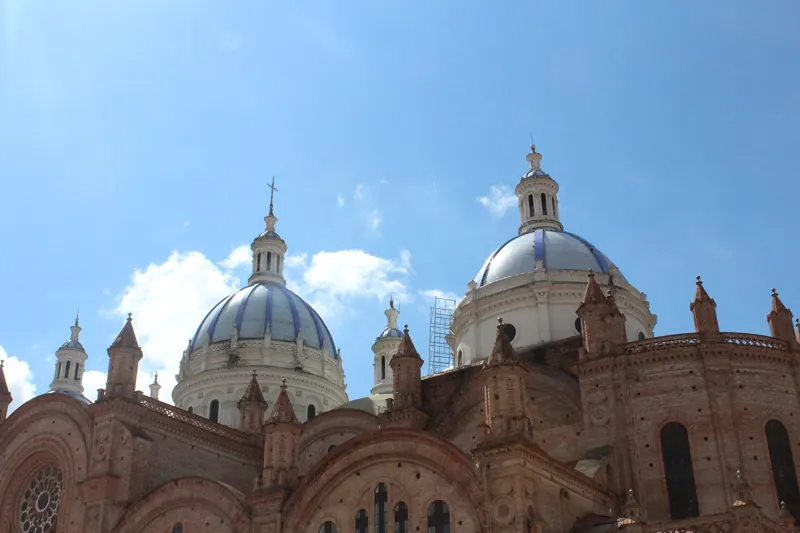
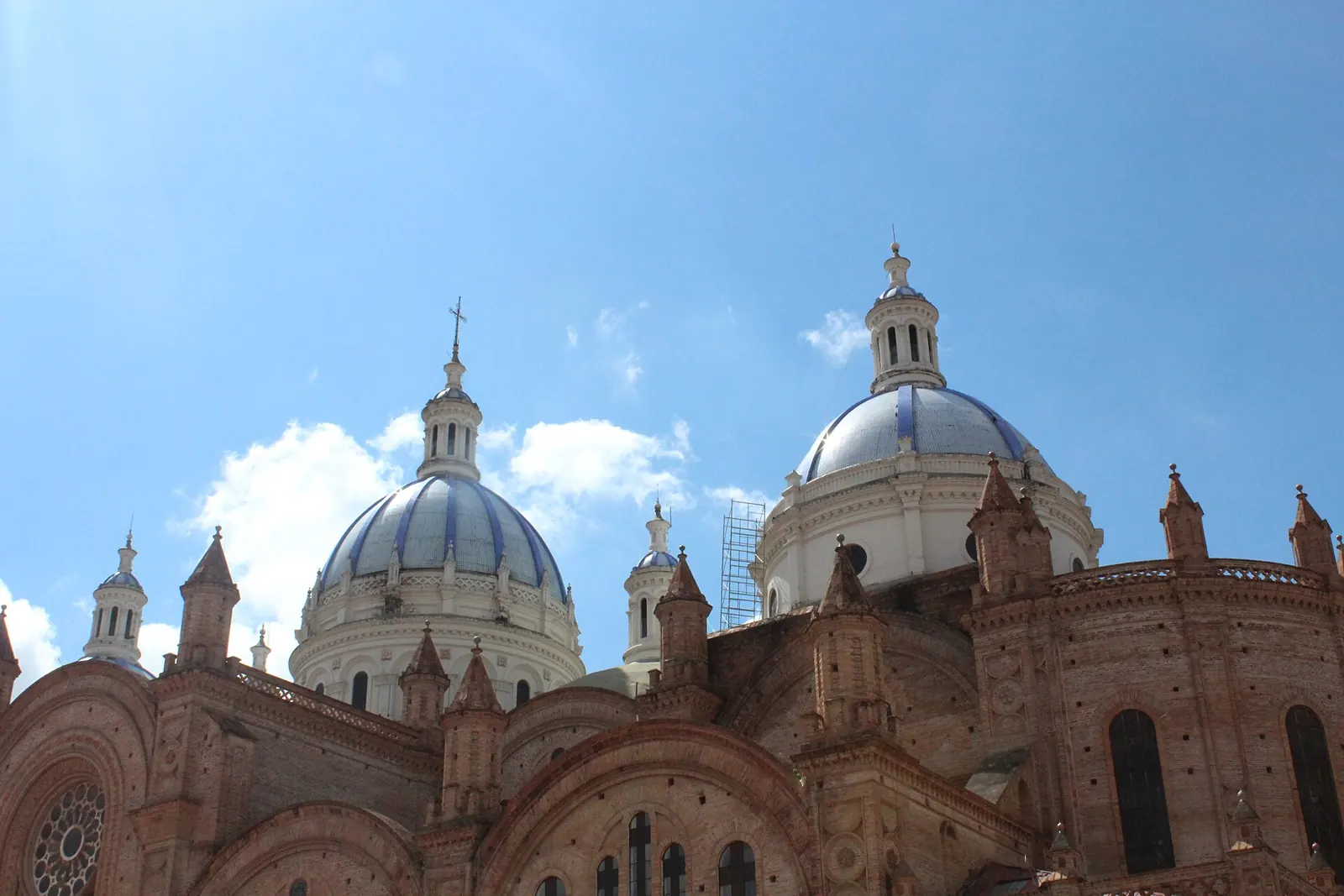
Cuenca is the classic expat retirement city. Colonial architecture, walkable streets, strong healthcare, and a massive English-speaking community make it the default choice for good reason.
Quito is Ecuador’s capital and largest city. It offers world-class hospitals, a new metro system, international flights, and big-city culture. It also comes with big-city prices and big-city crime in certain areas.
Cotacachi is the quiet alternative. A small indigenous town in the Imbabura highlands, it draws retirees who want genuine immersion, rock-bottom costs, and mountain tranquility over convenience.
Cost of Living Comparison: Monthly Budget Breakdown by City
Cotacachi wins on price, Cuenca hits the sweet spot, and Quito charges a premium for its amenities. The difference between cheapest and priciest adds up to $6,000–$10,000 per year for a couple.
Cuenca: Monthly Budget for Retirees
Cuenca retirement costs land in a comfortable middle range. A couple renting a furnished two-bedroom apartment in El Centro or Yanuncay spends $1,400–$2,000 monthly without sacrificing comfort.
- Rent: $450–$800 for a furnished 2BR apartment
- Utilities: $40–$70 (electricity, water, gas)
- Groceries: $250–$350 at Supermaxi and local markets
- Dining out: $150–$250 (meals average $3–$8 at local restaurants)
- Transportation: $50–$80 (taxis run $2–$4 across town)
- Internet: $35–$50 for 50+ Mbps fiber
- Entertainment: $100–$200 (cinema, cultural events, day trips)
- Healthcare/Insurance: $80–$150
Quito: Monthly Budget for Retirees
Living in Quito’s desirable neighborhoods like Cumbayá or González Suárez pushes your budget 15–25% higher than Cuenca. You’re paying for proximity to international flights, top hospitals, and cosmopolitan dining.
- Rent: $600–$1,200 for a furnished 2BR in a safe neighborhood
- Utilities: $50–$80
- Groceries: $280–$380
- Dining out: $180–$300
- Transportation: $60–$100 (metro fare $0.45, taxis $3–$6)
- Internet: $30–$45 for 80+ Mbps fiber
- Entertainment: $150–$250
- Healthcare/Insurance: $80–$150
Cotacachi: Monthly Budget for Retirees
Cotacachi delivers the lowest cost of living of the three cities. A couple lives comfortably on $1,100–$1,600 per month, making it ideal for retirees stretching moderate savings.
- Rent: $300–$550 for a furnished 2BR house or apartment
- Utilities: $30–$50
- Groceries: $200–$280 (Saturday indigenous market offers incredible value)
- Dining out: $80–$150 (fewer restaurant options, lower prices)
- Transportation: $30–$60 (local buses $0.30, taxis $1–$3)
- Internet: $25–$40 for 20–40 Mbps
- Entertainment: $50–$100
- Healthcare/Insurance: $80–$150
Side-by-Side Cost Comparison Table
| Expense | Cuenca | Quito | Cotacachi |
|---|---|---|---|
| Rent (2BR furnished) | $450–$800 | $600–$1,200 | $300–$550 |
| Utilities | $40–$70 | $50–$80 | $30–$50 |
| Groceries | $250–$350 | $280–$380 | $200–$280 |
| Dining Out | $150–$250 | $180–$300 | $80–$150 |
| Transportation | $50–$80 | $60–$100 | $30–$60 |
| Internet | $35–$50 | $30–$45 | $25–$40 |
| Total (Couple) | $1,400–$2,000 | $1,600–$2,400 | $1,100–$1,600 |
Ecuador uses the US dollar as its official currency. No exchange rate risk, no conversion fees, no surprises on your bank statement. Your Social Security check deposits at face value.
Climate and Geography: Finding Your Ideal Weather
All three cities sit in the highlands between 8,000 and 9,350 feet. Forget tropical beach heat. Think light jacket mornings, t-shirt afternoons, and sleeping with the windows open year-round.
Cuenca’s Eternal Spring Climate
Cuenca sits at 8,400 feet in a valley surrounded by the Andes. Daytime temperatures hover between 60–70°F year-round with cool mornings dropping to the mid-50s.
- Dry season runs June through November with blue skies and lower humidity
- Wet season (December through May) brings afternoon showers, rarely all-day rain
- UV radiation is intense at altitude. Sunscreen is a daily essential, not optional
- The consistent climate earns Cuenca its “eternal spring” reputation
Quito’s Highland Weather Patterns
Quito is the highest capital city in the world at 9,350 feet. That extra thousand feet above Cuenca makes a noticeable difference. Expect temperatures between 50–68°F with more dramatic daily swings.
- Morning fog and overcast skies are common, especially in the rainy season
- Weather varies dramatically by neighborhood due to Quito’s long, narrow geography
- Northern valleys like Cumbayá sit lower and stay 3–5°F warmer than central Quito
- Rain falls more frequently and more intensely than in Cuenca
Cotacachi’s Mountain Valley Microclimate
Cotacachi sits at 8,000 feet, the lowest elevation of the three. The town nestles in a valley between Volcán Imbabura and Volcán Cotacachi, creating a sheltered microclimate.
- Temperatures range from 55–72°F, slightly warmer than both Cuenca and Quito
- Less rainfall than either city, with more consistent sunshine
- Clear views of snow-capped volcanoes on most mornings
- The nearby Cuicocha crater lake sits at 10,500 feet for cooler hiking
Altitude Adjustment
Every retiree considering Ecuador’s highlands needs to understand altitude. At 8,000–9,350 feet, your body works harder. Some people adjust in days, others need weeks.
- Retirees with heart conditions, COPD, or severe anemia should consult their doctor before committing
- Quito’s higher elevation causes the most adjustment issues
- Cotacachi’s lower altitude makes it the easiest transition
- Shortness of breath, headaches, and fatigue during the first week are normal
Healthcare Access and Quality
Quito offers the best medical care in Ecuador, period. Cuenca provides strong coverage for most needs. Cotacachi requires travel for anything beyond basic clinic visits.
Hospitals and Clinics in Cuenca
Cuenca has developed into a medical tourism hub with multiple private hospitals catering to international patients.
- Hospital Monte Sinai and Clínica Santa Ana handle most specialist care
- Many doctors trained in the US or Europe and speak functional English
- A specialist visit runs $30–$50 out of pocket
- MRI scans cost $150–$300, a fraction of US pricing
- Dental cleanings average $25–$40
Quito’s Medical Infrastructure
Ecuador healthcare reaches its peak in Quito. The capital has facilities matching top Latin American standards.
- Hospital Metropolitano is the gold standard for complex procedures
- Hospital de los Valles in Cumbayá serves the expat-heavy eastern valleys
- Full specialist coverage: cardiology, oncology, orthopedics, neurology
- Procedures like knee replacements run $6,000–$10,000 compared to $50,000+ in the US
- Emergency response times are fastest in Quito due to multiple hospital options
Healthcare Options in Cotacachi
This is Cotacachi’s biggest weakness. The town has basic clinics for routine care. Anything serious sends you elsewhere.
- Local clinics handle check-ups, minor illness, and basic lab work
- Ibarra (30 minutes away) offers mid-level hospital care
- Complex procedures require the 2-hour drive to Quito
- A few expat-friendly doctors make house calls in the Cotacachi area
- The limited medical infrastructure is the primary reason retirees with chronic conditions avoid Cotacachi
Health Insurance Options for Retirees in 2026
All visa holders gain access to Ecuador’s IESS public healthcare system through mandatory contributions based on income. Private insurance provides faster service and broader coverage.
- IESS monthly contributions: approximately $80–$120 based on declared income
- Private insurance (BMI, Salud SA): $120–$200/month for retirees aged 60–70
- Pre-existing conditions affect private insurance availability and pricing
- Many retirees use a hybrid approach: IESS for routine care, private for emergencies
- Dental and vision care remain affordable out-of-pocket across all three cities
Safety and Security Comparison
Ecuador’s security landscape shifted dramatically starting in 2023. Being honest: the country faces real challenges. Your experience depends heavily on which city and which neighborhood you choose.
Crime Statistics and Real-World Safety in Each City
Cotacachi is the safest of the three for day-to-day living. Cuenca follows. Quito requires more awareness and neighborhood selection.
- Ecuador declared multiple states of emergency between 2024 and 2026 due to organized crime
- The violence concentrates in coastal cities (Guayaquil, Esmeraldas, Durán), not the highlands
- Highland cities remain significantly safer than the coast
- Petty crime (phone snatching, pickpocketing) is the primary risk for retirees in all three cities
Neighborhoods to Choose (and Avoid)
Cuenca safe zones: El Centro Histórico, Yanuncay, Puertas del Sol, and areas along the Tomebamba River. Avoid the bus terminal area at night.
Quito safe zones: Cumbayá, Tumbaco, González Suárez, La Floresta, and Quito Tenis. Avoid La Marín, southern Quito, and El Panecillo after dark.
Cotacachi: The entire town center and surrounding areas feel safe. Community policing and a tight-knit population create natural security. Walking alone at night raises few concerns.
Practical safety tips across all three cities:
- Avoid displaying expensive jewelry, watches, or electronics on the street
- Use registered taxis or ride-hailing apps (InDriver is popular in Ecuador)
- Join local expat social media groups for real-time safety updates
- Keep copies of important documents separate from originals
Expat Communities and Social Life
The size and style of the expat community varies dramatically across these three cities. This factor alone drives many final decisions.
Cuenca’s Large and Established Expat Scene
Cuenca hosts the largest retirement expat community in Ecuador with an estimated 5,000–8,000 North American and European retirees. You will hear English on the street daily.
- Weekly meetups, book clubs, hiking groups, and volunteer organizations run year-round
- Gringo Post and CuencaHighLife serve as community hubs online
- Multiple English-speaking real estate agents, lawyers, and accountants
- The downside: some retirees never learn Spanish and live in an expat bubble
- Restaurants, shops, and services in expat-heavy areas cater to North American tastes
Quito’s Diverse International Community
Quito’s expat population is larger in total but more diffuse. Diplomats, NGO workers, teachers, and business professionals mix with retirees.
- The community skews younger and more internationally diverse than Cuenca’s
- Fewer retirement-specific groups and services
- Stronger integration with Ecuadorian culture and daily life
- International schools, foreign restaurants, and cultural events reflect the diplomatic presence
- Finding your “tribe” takes more effort but yields more diverse friendships
Cotacachi’s Tight-Knit Expat Circle
Cotacachi’s 300–500 expats know each other by name. The community operates like a small town anywhere, with the benefits and constraints that brings.
- The weekly Saturday market is the social hub where everyone meets
- Stronger interaction with the indigenous Otavaleño community
- Spanish proficiency matters more here. Few locals speak English
- Community potlucks, hiking groups, and informal gatherings replace structured organizations
- New arrivals are welcomed quickly, but the small pond means less anonymity
Visa and Residency Requirements for Ecuador in 2026
Ecuador’s retirement visa (Pensioner Visa) remains one of the most accessible in Latin America. The process involves paperwork and patience, but the requirements are straightforward.
Retirement Visa (Pensioner Visa) Requirements
The Pensioner Visa requires proof of a stable pension or Social Security income of at least $1,375 per month in 2026 (pegged to 3x Ecuador’s basic salary).
- Social Security, government pension, or private pension income qualifies
- The income threshold applies per applicant, not per couple
- Dependents (spouse, children under 18) are covered under the primary applicant
- The visa grants the right to live and work in Ecuador indefinitely
Professional Income Visa Alternative
Early retirees without traditional pensions have an alternative. The Professional Income Visa requires proof of investment income, rental income, or freelance earnings meeting the same $1,375 monthly threshold.
- Investment portfolios generating qualifying income work
- Rental income from US properties qualifies with proper documentation
- This route suits early retirees aged 50–62 who haven’t started Social Security
Application Process and Timeline
Expect 30–60 days from submission to approval when working with an experienced immigration attorney.
- Required documents: pension or income verification, FBI background check (apostilled), health certificate, passport with 6+ months validity
- All documents require apostille certification from the issuing country
- Immigration attorney fees: $800–$1,500 for full service
- Cédula (national ID card) issued after visa approval enables banking, IESS enrollment, and local services
- Path to permanent residency opens after 21 continuous months on a temporary visa
- Ecuador visa requirements update periodically. Confirm current requirements with an attorney before starting
Tax Implications
Ecuador taxes worldwide income for tax residents (183+ days in-country). The first $11,902 of annual income is exempt from taxes in 2026. Social Security income is taxable in Ecuador, but a US-Ecuador tax treaty prevents double taxation on most income types.
Infrastructure, Internet, and Daily Conveniences
Quito leads in infrastructure by a wide margin. Cuenca offers solid urban convenience. Cotacachi trades modern amenities for rural charm.
Internet Speed and Reliability
| City | Typical Speed | Fiber Available | Reliability |
|---|---|---|---|
| Quito | 50–100 Mbps | Widely available | Excellent |
| Cuenca | 30–80 Mbps | Most neighborhoods | Good |
| Cotacachi | 15–40 Mbps | Limited areas | Moderate |
Retirees using video calls, streaming, and telehealth will find Quito and Cuenca perfectly adequate. Cotacachi works for basic use but struggles with bandwidth-heavy applications during peak hours.
Transportation and Getting Around
Quito launched its metro system in 2024, adding to the existing BRT (Ecovía, Metrobús) network. Taxis and InDriver rides cost $3–$6 across the city.
Cuenca’s tram system connects major corridors, and the compact city center is walkable. Taxis within the city rarely exceed $3–$4.
Cotacachi relies on intercity buses ($0.30 local, $2.50 to Otavalo, $3.50 to Ibarra) and local taxis ($1–$3). No public transit system exists within the town.
Shopping, Dining, and Amenities
Quito and Cuenca both have Supermaxi, Megamaxi, and Coral Hipermercados for familiar grocery shopping. International products (American brands, imported cheese, specialty items) are available at higher prices.
Cotacachi’s weekly Saturday market offers fresh produce, meats, and local goods at the lowest prices in Ecuador. A full week’s groceries for two costs $30–$50 at the market. Imported and specialty items require a trip to Otavalo or Ibarra.
Real Estate and Housing Market in 2026
Retire in Ecuador 2026 and you’ll find a buyer’s market in Cuenca, steady prices in Quito, and genuine bargains in Cotacachi. Foreign buyers face no restrictions on property ownership.
Renting vs Buying in Each City
Most experienced expats recommend renting for the first year before buying. This lets you test neighborhoods, understand the market, and confirm you want to stay.
| Factor | Cuenca | Quito | Cotacachi |
|---|---|---|---|
| Rental (2BR/month) | $400–$900 | $500–$1,200 | $300–$600 |
| Purchase (per m²) | $800–$1,500 | $1,200–$2,500 | $500–$1,000 |
| 2BR Condo Purchase | $70,000–$140,000 | $100,000–$220,000 | $45,000–$90,000 |
| Market Trend (2026) | Slight buyer’s market | Stable | Bargains available |
Popular Neighborhoods for Retirees
Cuenca: El Centro for walkability and culture. Yanuncay for newer construction and quiet streets. Puertas del Sol for gated communities and modern amenities.
Quito: Cumbayá for suburban comfort with restaurants and shops. González Suárez for skyline views and central location. La Floresta for artsy, walkable streets with cafes.
Cotacachi: Town center for walking distance to everything. The La Banda neighborhood for larger properties with gardens. Areas near Cuicocha for nature-oriented retirees wanting land.
Current Market Trends
Cuenca’s colonial architecture in the historic center commands premium pricing for restored properties. New construction in Cuenca’s expansion areas offers modern amenities at lower per-square-meter costs. Quito’s market remains stable with strong rental demand from the diplomatic and business community. Cotacachi offers the steepest discounts, with motivated sellers and long listing times creating negotiation leverage.
Banking and Financial Setup for Retirees
Opening an Ecuadorian bank account requires your cédula (issued after visa approval), passport, and a utility bill showing your local address. Banco Pichincha and Banco del Pacífico are the most expat-friendly institutions.
- ATM withdrawals from US accounts incur $3–$5 fees per transaction (limit $300–$500 per withdrawal)
- Wise (formerly TransferWise) offers the best rates for transferring larger amounts, with fees under 1%
- Many retirees maintain US checking accounts and transfer monthly living expenses via Wise or Remitly
- Since Ecuador uses the US dollar, your bank balance, prices, and income all operate in the same currency with no conversion math
- Credit card acceptance is widespread in Quito and Cuenca, limited in Cotacachi
Which City Is Best for Your Retirement Style?
The right city depends on what you’re optimizing for. No single answer fits every retiree, but clear patterns emerge from the data.
Choose Cuenca If…
- You want the largest English-speaking expat community in Ecuador
- Access to quality healthcare without traveling to the capital matters to you
- You prefer a walkable colonial city with cultural events, restaurants, and cafes
- A moderate budget of $1,400–$2,000/month fits your financial plan
- You want the easiest transition from North American life with the most familiar services
Choose Quito If…
- You need top-tier medical facilities and specialist access
- International airport access for frequent travel back to the US or Canada is essential
- You enjoy big-city energy: museums, concerts, diverse dining, nightlife
- You prefer a more culturally diverse expat community beyond retirement circles
- You have a higher budget of $1,600–$2,400/month and value urban amenities
Choose Cotacachi If…
- Stretching your retirement savings is the top priority (budgets as low as $1,100/month)
- You want genuine cultural immersion with Ecuador’s indigenous communities
- A quiet, small-town lifestyle with mountain scenery appeals more than city conveniences
- You’re comfortable with basic healthcare and willing to travel for specialist care
- Learning Spanish and integrating into local life excites rather than intimidates you
Decision Framework
Rank these five priorities from most to least important: budget, healthcare, social life, climate, and adventure. If budget ranks first, go to Cotacachi. If healthcare tops your list, choose Quito. If social life matters most, Cuenca is your answer. Climate differences are minimal across all three. Adventure-seekers find the most variety near Cotacachi’s volcanic landscape, though all three cities offer easy access to coast and jungle.
The smartest move is visiting all three cities for two weeks each before committing. Rental costs during a scouting trip are minimal, and the clarity you gain prevents an expensive mistake.
FAQ
Do I need to speak Spanish to retire in Ecuador?
In Cuenca’s expat areas, English gets you through daily life. Quito and Cotacachi require more Spanish for banking, medical visits, and government offices. Learning basic conversational Spanish dramatically improves your quality of life in all three cities.
Is Ecuador safe for American retirees in 2026?
Highland cities remain significantly safer than coastal areas. Cuenca and Cotacachi report low crime rates affecting expats. Quito requires neighborhood awareness. Organized crime primarily impacts coastal regions, not the highland retirement destinations.
How long does the Ecuador retirement visa take to process?
Expect 30–60 days from document submission to visa approval. Gathering apostilled documents from the US adds 4–8 weeks before you apply. Working with an Ecuadorian immigration attorney ($800–$1,500) streamlines the process significantly.
Does Medicare work in Ecuador?
No. Medicare does not cover healthcare outside the United States. Retirees in Ecuador rely on the IESS public system, private insurance, or out-of-pocket payments. Many retirees find that paying cash for Ecuadorian medical care costs less than their former US insurance premiums.
What is the altitude sickness risk in these cities?
All three cities sit above 8,000 feet. Most healthy retirees adjust within 3–7 days with mild symptoms like shortness of breath and fatigue. Retirees with heart or lung conditions should consult their physician. Cotacachi at 8,000 feet presents the lowest altitude risk.
Is it better to rent or buy property in Ecuador?
Rent first for at least 12 months. This protects you from buyer’s remorse and lets you test neighborhoods before committing. Property transactions in Ecuador involve notary fees, transfer taxes (1%), and legal costs that make short-term ownership expensive.
How do retirees handle banking and money transfers?
Most retirees keep US bank accounts and transfer monthly expenses via Wise (under 1% fees). Opening a local Banco Pichincha account after receiving your cédula gives you access to local bill pay and direct deposits. Ecuador’s dollar economy eliminates currency conversion concerns.
What happens to my Social Security if I move to Ecuador?
Social Security deposits continue into your US bank account without interruption. Ecuador is not on the SSA’s restricted country list. You report your foreign address to the Social Security Administration and continue receiving benefits normally. Social Security income is taxable in Ecuador for tax residents.