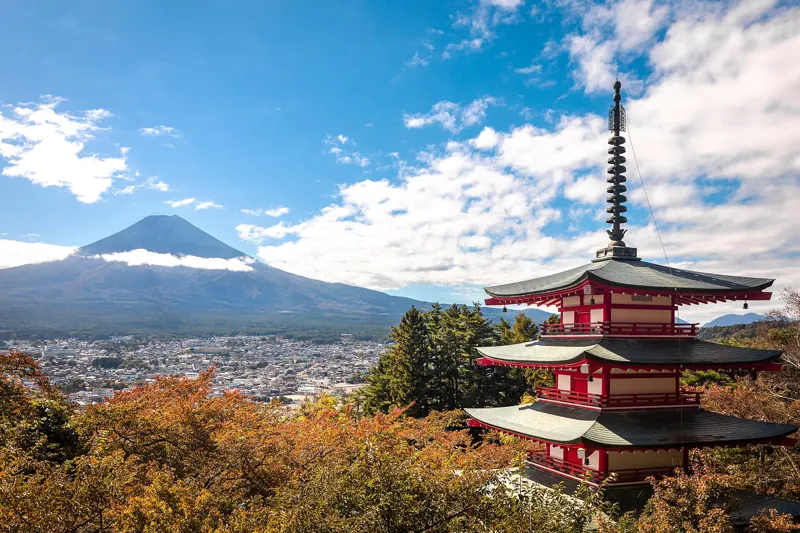
Healthcare in Japan for retirees
Healthcare in Japan for retirees means National Health Insurance for registered residents, at 30% co-payment, or private cover on the long stay status; Japan spends $3,638 a person a year.
The hospitals retirees use, what insurance does and does not cover. Checked against official and hospital sources on Oct 8, 2026.
- Life expectancy
- 84 years US 78.9. World Bank, 2024
- Doctors
- 2.6 per 1,000 US 3.7. World Bank, 2022
- Health spending
- $3,638/person Per year; US $13,473. World Bank, 2023
- Paid out of pocket
- 12.2% Of all health spending; US 10.9%. World Bank, 2023
Hospitals retirees use in Japan
Tokyo
NTT Medical Center Tokyo
- JCI accredited since March 2011
- Certified under JMIP, Japan's scheme for hospitals that accept foreign patients
NTT Medical Center Tokyo. Checked Oct 8, 2026.
Kamogawa, Chiba
Kameda Medical Center
- First hospital in Japan to gain JCI accreditation, in September 2009
- Kameda General Hospital has 907 beds and 35 departments
- International department since 2002, with care for foreign residents and visitors
Kameda Medical Center. Checked Oct 8, 2026.
Kyoto
Kyoto University Hospital
- University hospital founded in 1899
Kyoto University Hospital. Checked Oct 8, 2026.
Suita, Osaka
The University of Osaka Hospital
- First visits need a referral letter in Japanese or English, or a fee of 8,800 yen
- Paid medical interpreters by reservation
University of Osaka Hospital. Checked Oct 8, 2026.
Fukuoka
Kyushu University Hospital
- Certified under JMIP for accepting foreign patients
Kyushu University Hospital. Checked Oct 8, 2026.
Everyone with an address in Japan joins National Health Insurance, run by the prefecture and the city, unless covered by an employee health insurance scheme or the medical care system for elderly people. For foreigners this means those on the resident register, which covers mid- to long-term residents with a residence card: in general, anyone granted a stay of more than 3 months. Patients pay 30% of the cost of treatment, and 20% from age 70 unless their household income is above a set level. Holders of the long stay status for sightseeing and recreation, and their spouses, are excluded by ordinance.
Paying for care in Japan
12.2% of health spending in Japan is paid directly by patients, close to the US share, so plan how you will pay before you move.
Retirees use either an international health plan, which can also cover care at home and in other countries, or a local plan from an insurer in Japan, which costs less but covers care there only. Prices depend on age and on the insurer's terms for existing conditions; compare written quotes.
If you are on Medicare
Medicare usually does not pay for care outside the United States; the exceptions are narrow, such as a foreign hospital closer to your US home than the nearest US hospital.
Medicare.gov. Checked Oct 7, 2026.
Healthcare questions
Does Medicare cover me in Japan?
Medicare usually does not pay for care outside the United States; the exceptions are narrow, such as a foreign hospital closer to your US home than the nearest US hospital. Plan on private insurance or paying directly for care in Japan.
Do I need health insurance for the Long stay visa?
Yes. The long stay status requires private medical insurance covering death, injury and illness in Japan for the whole planned stay, and its holders cannot join National Health Insurance.
How much of the bill do people pay themselves?
In Japan, 12.2% of all health spending is paid out of pocket, against 10.9% in the US (World Bank, 2023).
Can retirees join Japan's National Health Insurance?
Only if they are registered residents, which generally means a status of residence of more than 3 months. Holders of the long stay status for sightseeing and recreation, and their spouses, are excluded and must rely on private insurance.
How much is health insurance if you retire in Japan?
Under National Health Insurance patients pay 30% of treatment costs, or 20% from age 70 for households below a set income. On the long stay status you need private insurance instead, priced by the insurer.
Are there English-speaking hospitals in Japan?
NTT Medical Center Tokyo and Kameda Medical Center in Chiba are JCI accredited, NTT and Kyushu University Hospital in Fukuoka are certified for foreign patients, and the University of Osaka Hospital offers paid medical interpreters.