Retire in Japan
To retire in Japan without a retirement visa, most foreigners look at the long stay status: up to one year with 30 million yen in savings. Prices run at about 69% of the US.
What it takes, what it costs, and where retirees settle, from Japan's law and official data. Checked on Oct 8, 2026.
- Retiree visa
- ¥30,000,000 (about $189,600) bank savings of the applicant and spouse combined, at the time of application; 60 million yen if the spouse also applies for this status in their own right. Designated Activities Notice; Immigration Services Agency. Checked Oct 8, 2026.
- Price level
- ~69% of the US Household consumption, 2025. World Bank. Checked Oct 7, 2026.
- Tax on a foreign pension
- 5% to 45% Foreign pensions are taxed. National Tax Agency; PwC Tax Summaries. Checked Oct 8, 2026.
- Travel advisory
- Level 1 of 4 Exercise Normal Precautions. US State Department. Updated May 14, 2025.
- Health spending
- $3,638/person Per year; US $13,473. World Bank. Checked Oct 7, 2026.
- US tax treaty
- Yes An income tax treaty with the US is in force. IRS. Checked Oct 7, 2026.
Do you qualify?
Japan has no retirement visa and no visa based on a pension. The closest is a Designated Activities status for people aged 18 or over who stay up to one year for sightseeing, recreation and similar activities, open only to citizens of listed visa-exempt countries with savings of at least 30 million yen and private medical insurance. It does not lead to longer residence.
Long stay visa: documents and feesRetiring in Japan, topic by topic
Visa
Long stay visa requirements
Documents, government fees and the other routes to residency.
Healthcare
Healthcare for retirees
The hospitals retirees use, what insurance covers, and Medicare abroad.
Money
Banking, pensions and tax
How US, UK and Canadian pensions reach a local bank, and what you report at home.
Budget
Cost of living
Official prices and a budget built from your own rent.
What it costs
Household prices in Japan run at about 69% of US levels. Rent is the line nobody publishes officially, so the cost of living page builds your budget from your own rent.
Build your budgetWhere retirees settle
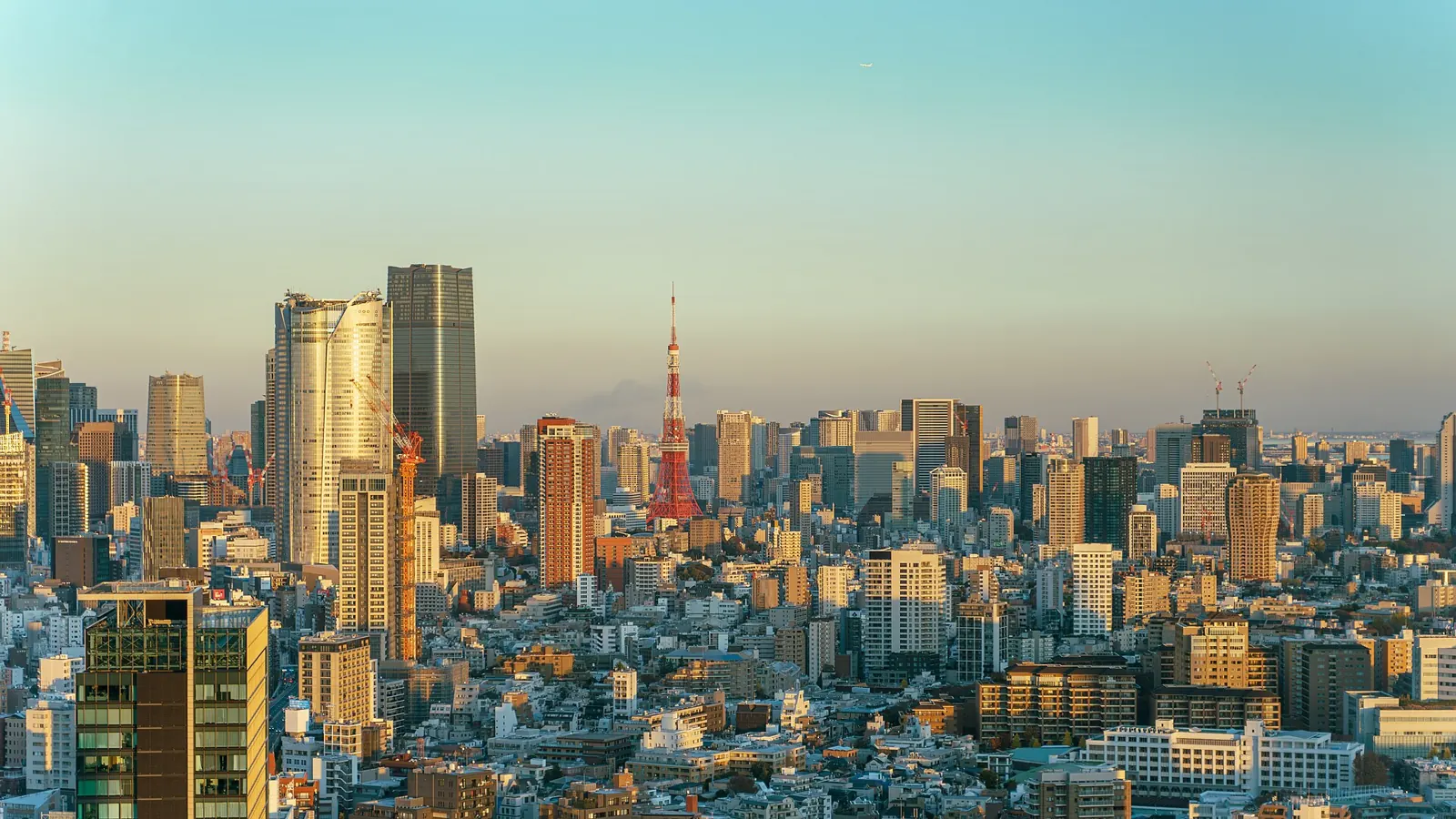
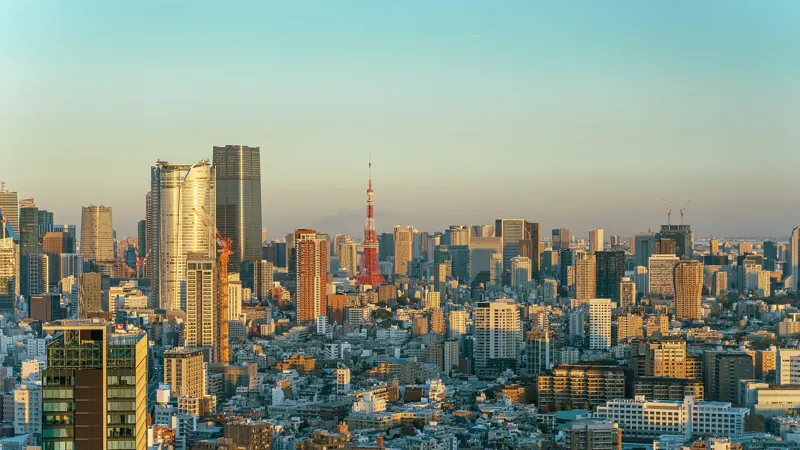
Tokyo
- Capital, about 14.3 million people (2022)
- 6 m above sea level
- NTT Medical Center Tokyo and Kameda Kyobashi Clinic
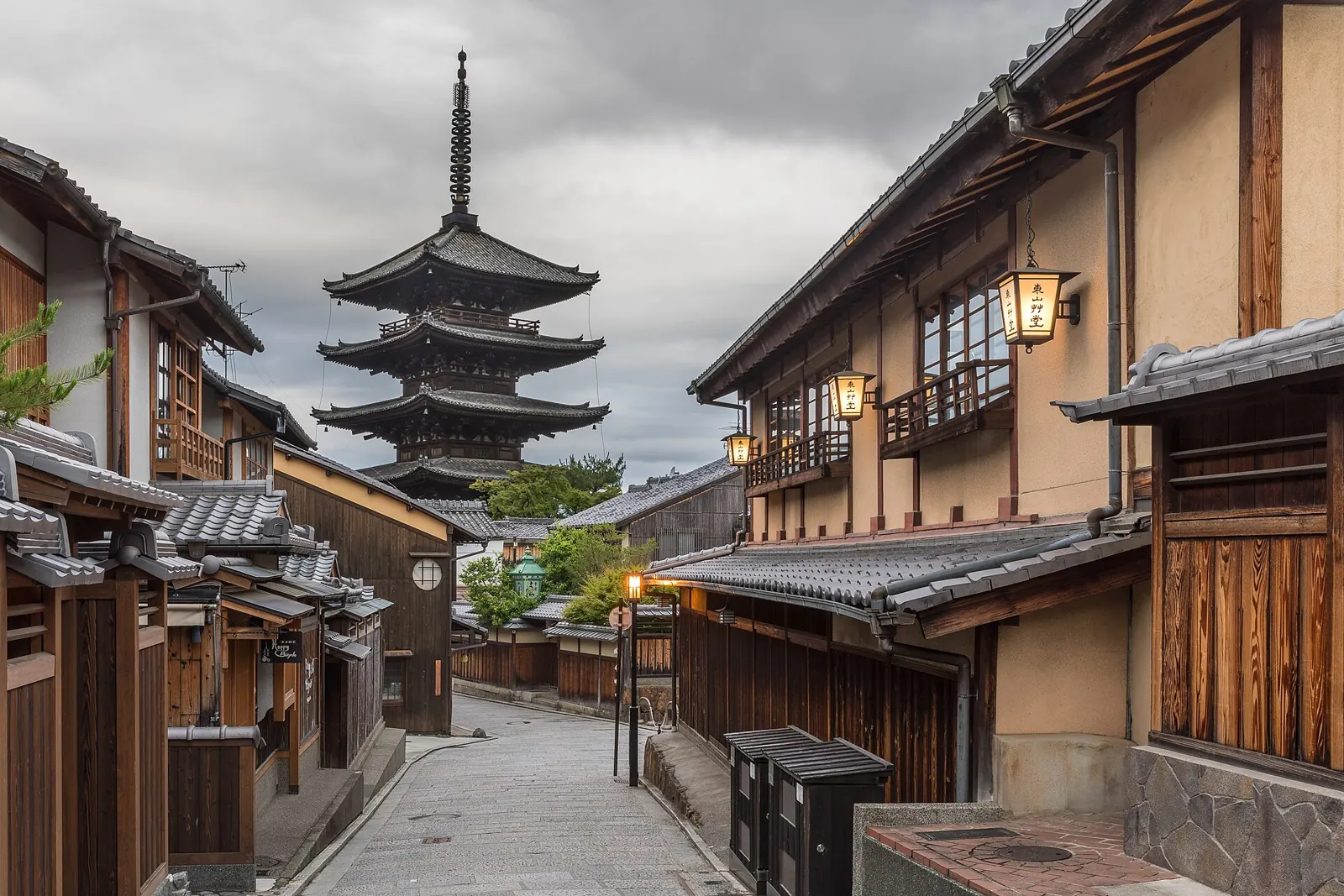
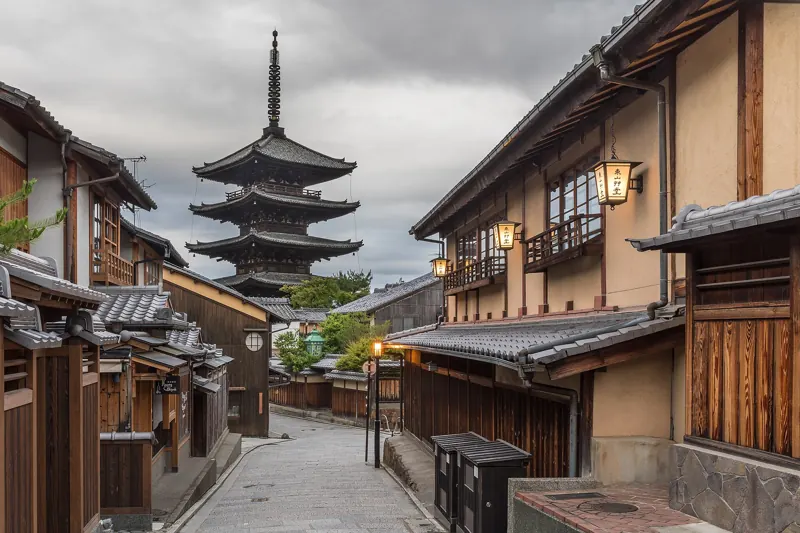
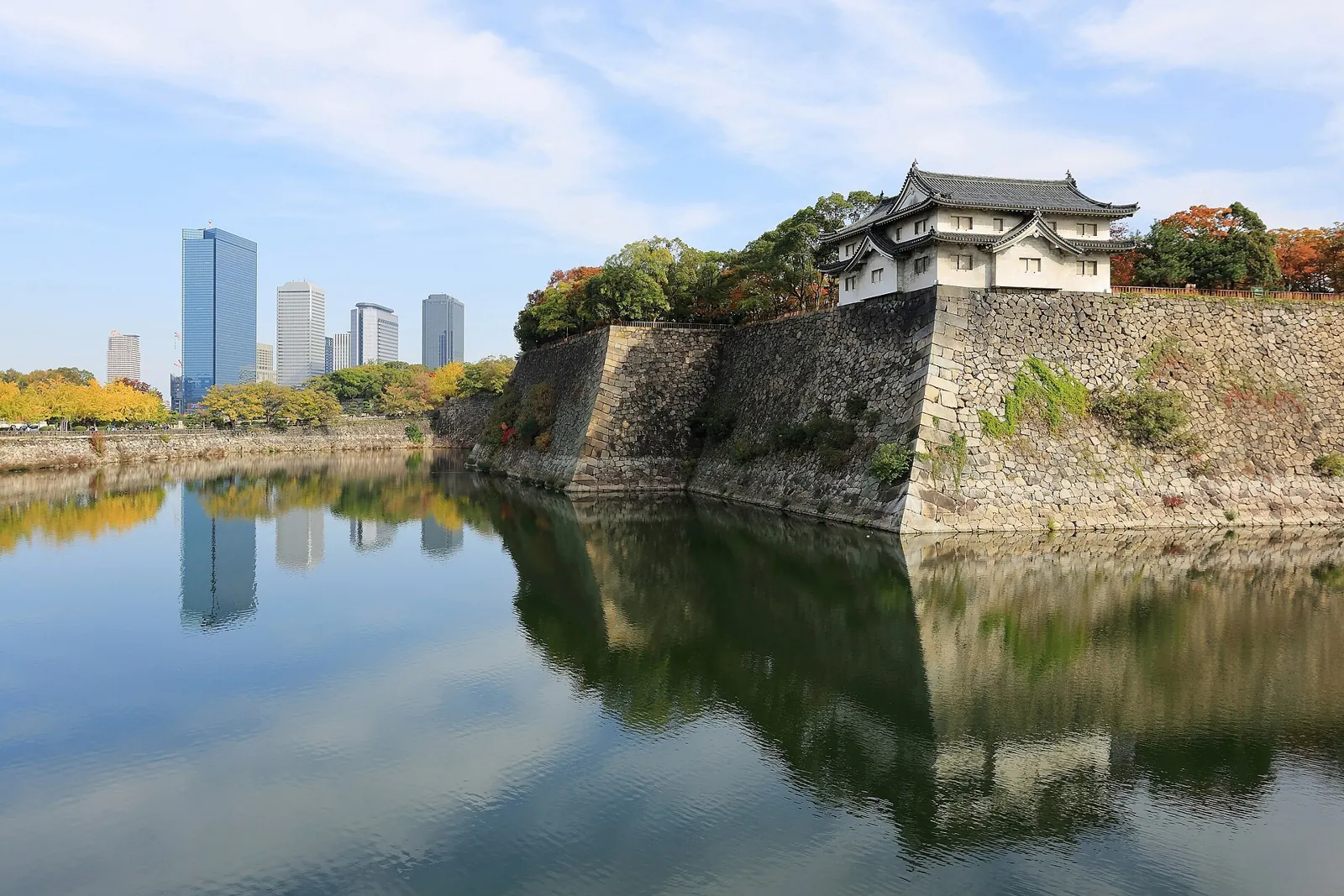
Kyoto
- About 1.46 million people (2020)
- Kyoto University Hospital
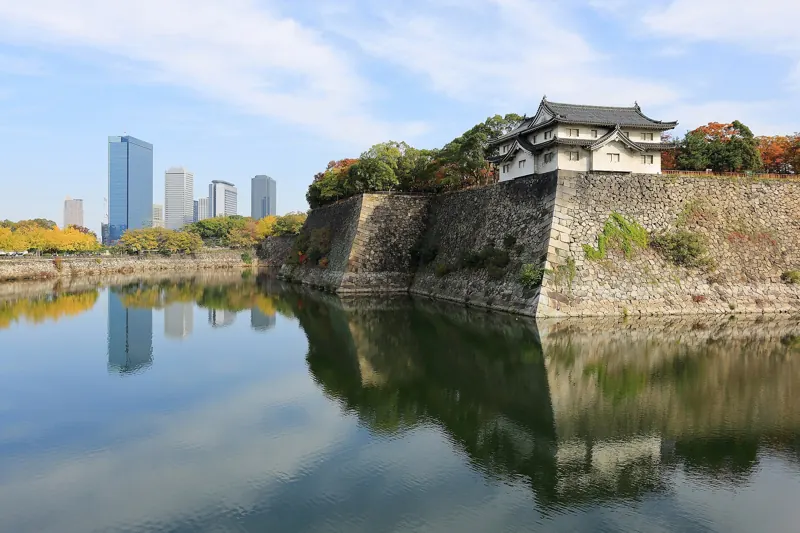
Osaka
- About 2.75 million people (2021)
- 20 m above sea level
- University of Osaka Hospital in nearby Suita
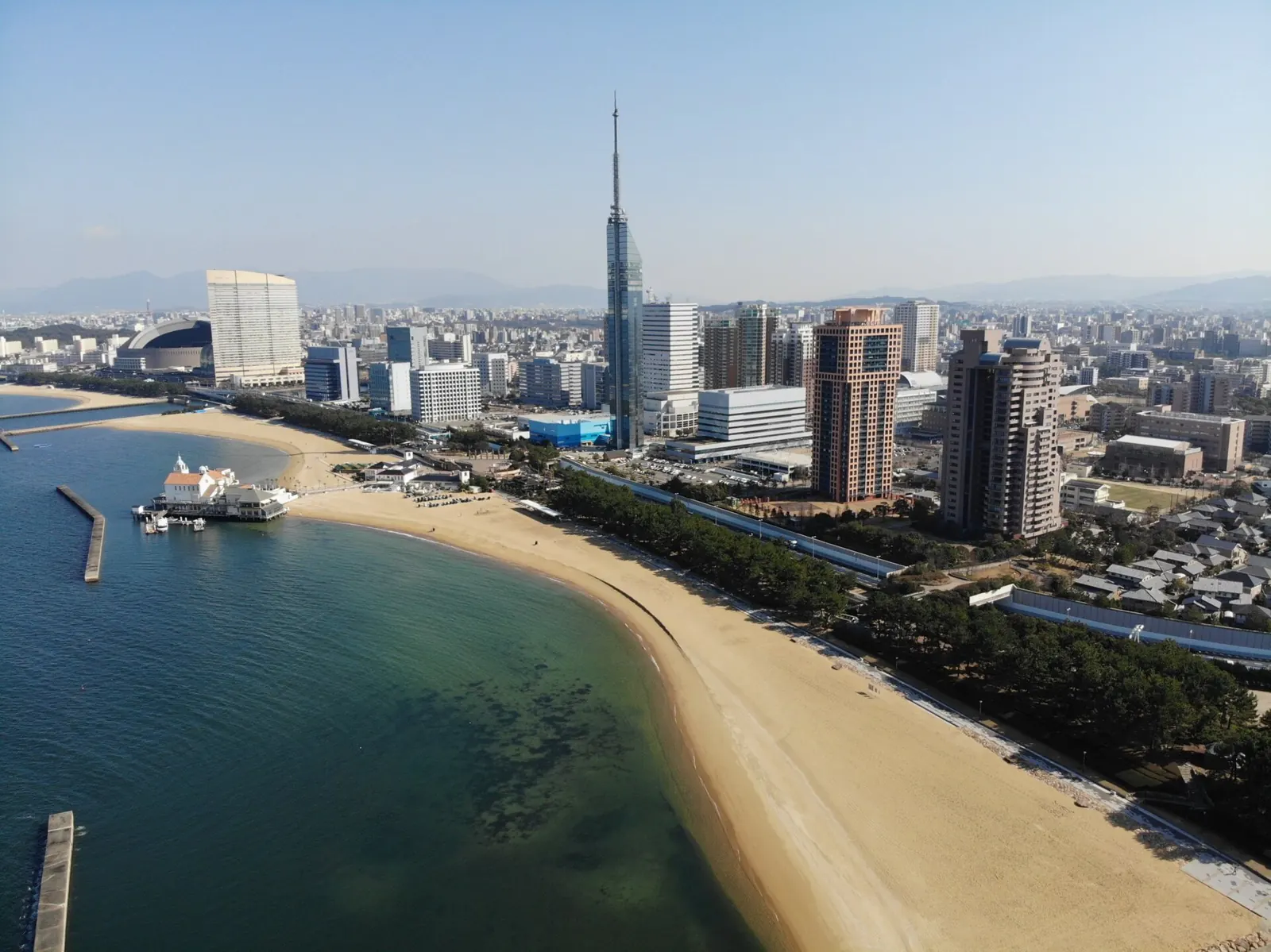
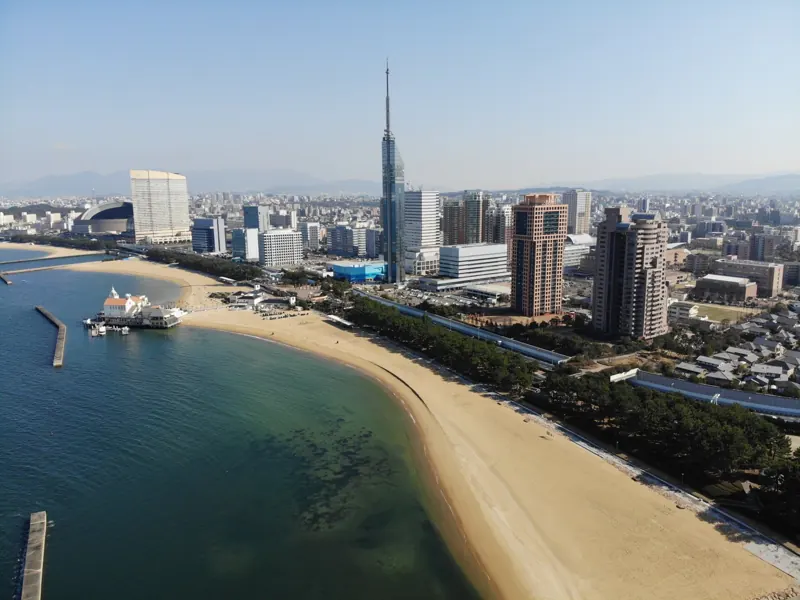
Fukuoka
- About 1.6 million people (2020)
- 8 m above sea level
- Kyushu University Hospital
Wikidata; NTT Medical Center Tokyo; Kameda Medical Center; Kyoto University Hospital; University of Osaka Hospital; Kyushu University Hospital. Checked Oct 8, 2026.
Visiting Japan first
Most people spend a few weeks in Japan before they apply for anything. Two things to sort out for that trip:
Kiwi.com
Flights to Japan
Compare routes and dates before a scouting trip.
Airalo
eSIM for Japan
Mobile data from the day you land, without a local SIM.
Partner links: we may earn a commission if you book, at no cost to you. How this works.
Retiring in Japan: questions
Is Japan safe for retirees?
The US State Department rates Japan Level 1, exercise normal precautions.
Do I pay tax in Japan on my pension?
Yes. A pension from a foreign social insurance scheme is taxed as a public pension, after the public pension deduction, at the national rates of 5% to 45% plus 10% local tax. In your first 5 years as a non-permanent resident, foreign income is taxed only if it is paid in Japan or remitted there. US citizens still file a US return.
Can Americans retire in Japan?
There is no retirement visa, but Americans can use the long stay status for sightseeing and recreation: up to one year with at least 30 million yen in savings and private medical insurance.
Can I retire in Japan on Social Security?
Social Security can be paid by direct deposit into a yen account, but a pension alone does not qualify you to stay: the long stay status asks for 30 million yen in savings, and foreign pensions are taxed for residents.
What are the best places to retire in Japan?
This guide covers Tokyo, Kyoto, Osaka and Fukuoka. Tokyo has NTT Medical Center, a JCI accredited hospital, and Kameda Kyobashi Clinic; Kyoto, Osaka and Fukuoka each have a university hospital.