Choosing between Belize and Costa Rica for retirement comes down to what you value most: language ease, healthcare quality, or tax savings.
Over 100,000 Americans now live in these two countries, and that number grows by double digits each year.
Here’s the insider breakdown across every category that matters for your retirement decision.
Country Overview: Belize vs Costa Rica at a Glance
These two Central American neighbors share a latitude but differ in almost every way that affects daily retirement life.
Belize Country Profile
Belize sits on the Caribbean coast of Central America with a population of roughly 430,000. English is the official language, a direct result of its British Commonwealth heritage. The country gained independence from Britain in 1981 and operates as a parliamentary democracy.
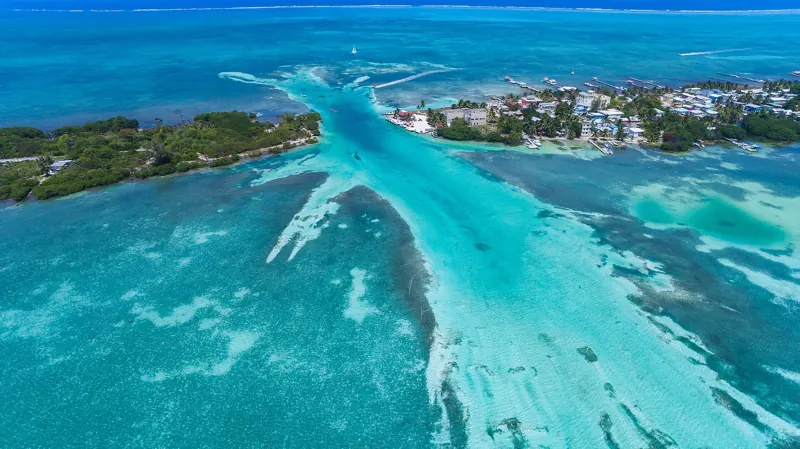
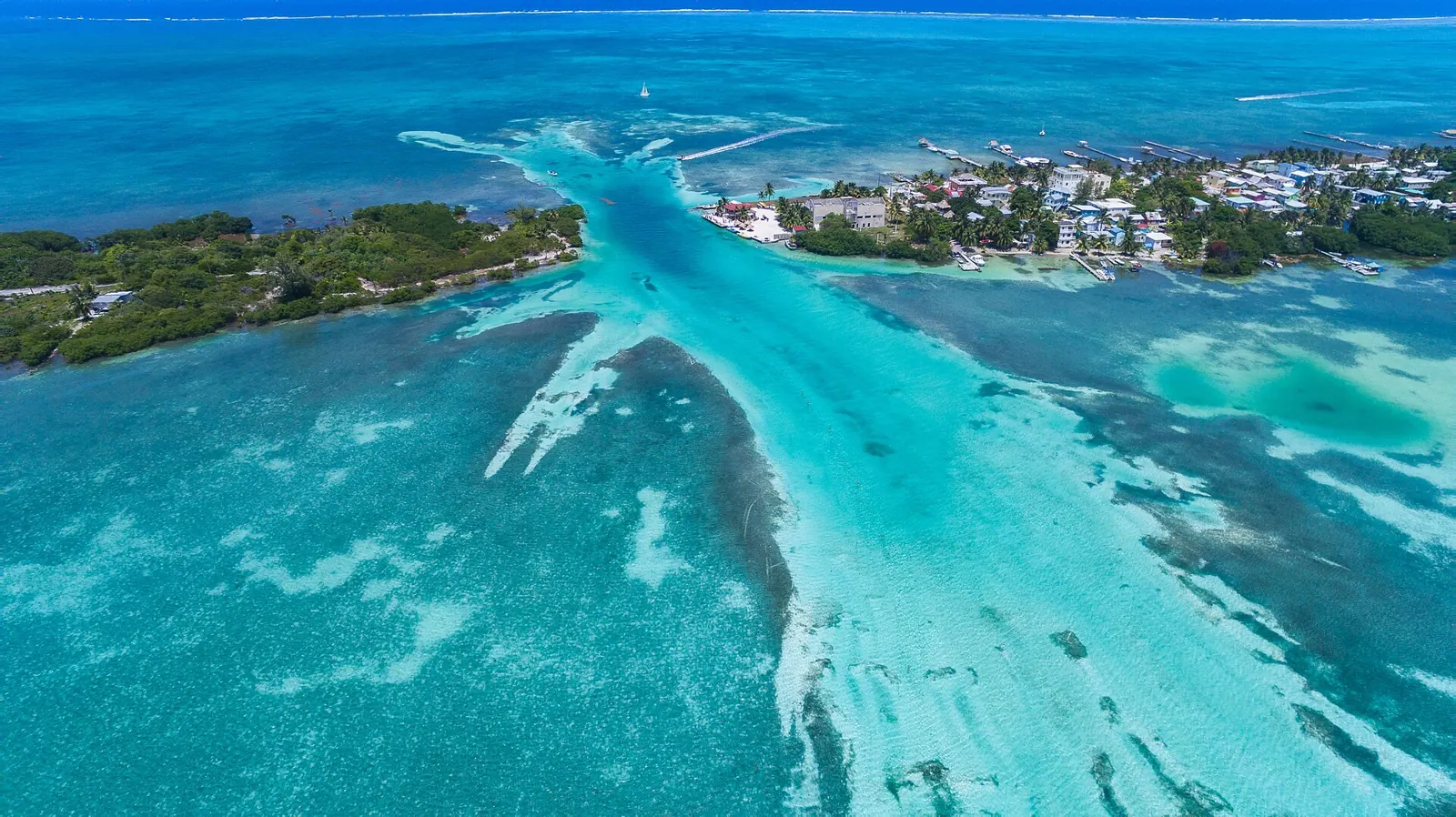
The Belize Barrier Reef, the second largest in the world, runs along its entire coastline. The interior features dense jungle, Maya ruins, and the rolling hills of the Cayo District. Think of it as the Caribbean’s quieter, less commercialized cousin.
Costa Rica Country Profile
Costa Rica occupies a larger footprint with a population of 5.2 million and coastlines on both the Pacific and Caribbean. Spanish is the official language. The country abolished its military in 1948 and has since directed those funds toward education and healthcare.
Costa Rica consistently ranks among the happiest countries on Earth. Its stable democracy, strong environmental protections, and well-developed infrastructure make it the most popular retirement destination in Central America.
| Feature | Belize | Costa Rica |
|---|---|---|
| Population | ~430,000 | ~5.2 million |
| Official Language | English | Spanish |
| Government | Parliamentary democracy | Presidential republic |
| Coastlines | Caribbean only | Pacific + Caribbean |
| Currency | Belize Dollar (BZD) | Costa Rican Colón (CRC) |
| Time Zone | CST (UTC-6) | CST (UTC-6) |
| Size | 8,867 sq mi | 19,730 sq mi |
Cost of Living Comparison in 2026
Belize vs Costa Rica retirement costs favor Belize by roughly 20–30% for a comparable lifestyle, though specific locations in either country swing the numbers dramatically.
Monthly Budget Breakdown: Belize
A comfortable retirement in Belize runs $1,400 to $2,200 per month for a single person or couple without a mortgage. The Cayo District and Corozal offer the lowest costs. Ambergris Caye and Placencia push budgets higher.
- Rent (1–2 bedroom): $500–$900/month
- Groceries: $250–$400/month
- Dining out: $150–$250/month
- Utilities: $100–$200/month
- Transportation: $100–$150/month
- Internet: $50–$75/month
- Entertainment: $100–$200/month
Imported goods carry steep markups in Belize. A box of American cereal costs $7–$9. Local produce, rice, beans, and fresh seafood remain affordable. Shopping at local markets instead of tourist-oriented stores saves 30–40%.
Monthly Budget Breakdown: Costa Rica
Expect $1,800 to $3,000 per month for a comfortable retirement in Costa Rica. The Central Valley (Atenas, Grecia, San Ramón) offers the best value. Beach towns in Guanacaste and the Central Pacific coast cost significantly more.
- Rent (1–2 bedroom): $600–$1,200/month
- Groceries: $300–$500/month
- Dining out: $200–$350/month
- Utilities: $80–$150/month
- Transportation: $100–$200/month
- Internet: $40–$60/month
- Entertainment: $150–$300/month
Costa Rica’s stronger local agriculture keeps produce prices lower than Belize. A weekly farmers market haul of fruits, vegetables, eggs, and cheese runs about $20–$30. Imported American brands cost 2–3x their US price.
Which Country Is Cheaper for Retirees?
| Category | Belize | Costa Rica |
|---|---|---|
| Rent (mid-range) | $600/mo | $800/mo |
| Groceries (local) | $300/mo | $350/mo |
| Dining (local restaurant meal) | $8–$12 | $6–$10 |
| Utilities | $150/mo | $100/mo |
| Internet (50 Mbps) | $60/mo | $45/mo |
| Beer (local, restaurant) | $3–$5 | $2–$4 |
| Monthly Total (comfortable) | $1,400–$2,200 | $1,800–$3,000 |
Belize wins on housing costs and taxes. Costa Rica wins on groceries, utilities, and internet. Your lifestyle choices determine which country stretches your dollar further.
Healthcare Systems Compared
Costa Rica retirement planning should factor in one massive advantage: access to a world-class public healthcare system that retirees qualify for.
Healthcare in Costa Rica
Costa Rica’s CAJA (Caja Costarricense de Seguro Social) provides universal healthcare to all legal residents. Retirees with residency pay roughly $80–$150/month based on income. This covers doctor visits, hospital stays, surgeries, prescriptions, and specialist care.
- Public hospitals exist in every major region
- Private healthcare is also excellent and affordable
- A private doctor visit costs $50–$80
- Dental cleanings run $40–$60
- Major surgery costs 50–70% less than US prices
Wait times for non-emergency procedures in the public system run weeks to months. Most expat retirees maintain CAJA membership and supplement with private care for faster access.
Healthcare in Belize
Retirement in Belize requires more healthcare planning. Public facilities are basic. Belize City has the country’s only major hospital, and specialist care is limited throughout the country.
- Most expat retirees use private clinics in Belize City, San Ignacio, or San Pedro
- A private doctor visit costs $25–$50
- Serious medical issues often require travel to Mérida, Mexico or Guatemala City
- No universal healthcare system for residents
Health Insurance Options for Retirees
International health insurance premiums for retirees aged 60–70 in 2026 range from $200–$500/month depending on coverage level and deductible. Popular providers include Cigna Global, Aetna International, and GeoBlue.
In Costa Rica, pairing CAJA with a modest international policy provides comprehensive coverage at lower total cost. In Belize, international insurance becomes more essential since the public system offers limited support.
Costa Rica holds a clear advantage in healthcare. This single factor drives many retirees toward Costa Rica, especially those with chronic conditions or concerns about aging in place.
Visa and Residency Programs for Retirees
Both countries actively recruit retirees through dedicated retirement visa programs, but the requirements and benefits differ significantly.
Belize Qualified Retired Persons (QRP) Program
The QRP program stands out as one of the most retiree-friendly visa structures in the hemisphere.
- Minimum age: 45 years
- Income requirement: $2,000/month from a pension, Social Security, or investment income
- Tax benefit: Zero tax on all foreign-sourced income
- Import benefit: Duty-free import of personal effects, car, and boat
- Processing time: 2–3 months
- Renewal: Annual, with proof of continued income
QRP holders receive permanent residency status but cannot work for a Belizean employer. Running your own business is permitted.
Costa Rica Pensionado and Rentista Visas
Costa Rica offers two main pathways for retirees.
Pensionado Visa:
– Income requirement: $1,000/month from a pension or Social Security
– Processing time: 3–6 months
– Residency requirement: Must spend at least 1 year in Costa Rica during first 3 years
Rentista Visa:
– Income requirement: $2,500/month from investments or savings, or a $60,000 bank deposit
– Designed for retirees without a traditional pension
Path to Permanent Residency and Citizenship
| Milestone | Belize | Costa Rica |
|---|---|---|
| Temporary Residency | Immediate (QRP) | Upon visa approval |
| Permanent Residency | 1 year of QRP status | 3 years of temporary residency |
| Citizenship Eligibility | 5 years of residency | 7 years of residency |
| Dual Citizenship Allowed | Yes | Yes |
Belize offers a faster path to permanent residency and citizenship. Costa Rica’s lower income thresholds make it accessible to more retirees.
Tax Implications for Expat Retirees
Both countries use a territorial tax system, meaning they only tax income earned within their borders. Your US pension, Social Security, and investment income remain untaxed locally.
Belize Tax Benefits
Belize’s tax structure is arguably the most retiree-friendly in the region.
- QRP holders pay zero tax on all foreign income
- No capital gains tax
- No inheritance tax
- No estate tax
- Property taxes are minimal: 1% of undeveloped land value, even less for improved property
- 12.5% GST (similar to sales tax) on goods and services
Costa Rica Tax Structure
Costa Rica taxes only income generated within the country.
- Foreign pensions, Social Security, and investment income: not taxed
- Local employment income: progressive rates up to 25%
- 13% VAT on most goods and services
- Property tax: 0.25% of registered value annually
- No capital gains tax on primary residence
- Capital gains on other property: 15%
US Tax Obligations While Living Abroad
Regardless of where you retire, US citizens must file annual tax returns and report worldwide income. Key requirements include:
- FBAR filing if foreign accounts exceed $10,000 in aggregate at any point during the year
- FATCA reporting for foreign financial assets above $200,000 (filing from abroad)
- Foreign Earned Income Exclusion does not apply to pension or Social Security income
- Tax treaties do not exist between the US and either Belize or Costa Rica
Work with a tax professional who specializes in expat taxation. Filing errors carry steep penalties.
Real Estate and Property Ownership
Both Belize and Costa Rica allow full foreign ownership of property with the same rights as citizens. This is a significant advantage over countries like Mexico or Thailand that restrict foreign land ownership.
Buying Property in Belize
Lower entry prices make Belize attractive for retirees looking to buy rather than rent.
- Beachfront lot on Ambergris Caye: $150,000–$400,000
- 2-bedroom home in Cayo District: $100,000–$200,000
- Condo in San Pedro: $150,000–$350,000
- Jungle property with acreage: $50,000–$150,000
Title insurance is not standard in Belize. Due diligence is critical. Some properties have unclear titles, especially in rural areas. Hire a reputable Belizean attorney before any purchase.
Buying Property in Costa Rica
Costa Rica’s real estate market is more developed, with stronger protections and higher prices.
- 2-bedroom home in Central Valley: $150,000–$300,000
- Beach condo in Guanacaste: $200,000–$500,000
- Home in popular expat area (Atenas, Grecia): $175,000–$350,000
- Luxury property on Pacific coast: $400,000+
A well-established legal framework protects buyers. Title searches through the National Registry are straightforward. Closing costs run about 3.5–4.5% of purchase price.
Rental Market Comparison
| Rental Type | Belize | Costa Rica |
|---|---|---|
| 1-bed apartment (town) | $400–$700 | $500–$900 |
| 2-bed house (expat area) | $600–$1,000 | $800–$1,400 |
| Beachfront rental | $800–$1,500 | $1,200–$2,500 |
| Furnished vs unfurnished | Most rentals furnished | Mix of both |
Renting before buying remains the smartest strategy in either country. Spend at least 3–6 months in your target area before committing to a purchase.
Safety and Infrastructure
Costa Rica ranks higher on safety indices and infrastructure quality across nearly every metric that matters for daily retirement life.
Crime and Personal Safety
Costa Rica’s overall crime rate sits lower than Belize’s. The US State Department rates both countries at Level 2 (“Exercise Increased Caution”), with Belize carrying additional warnings for specific areas.
- Belize City accounts for a disproportionate share of violent crime in Belize. Expat communities on the islands and in western Belize report feeling very safe
- San José has typical capital-city property crime. Popular retirement towns in the Central Valley and beach communities report low crime rates
- Both countries: petty theft is the primary concern for retirees. Lock doors, avoid displaying wealth, use common sense
Roads, Transportation, and Utilities
Costa Rica’s road network, while imperfect, far exceeds Belize’s. The Pan-American Highway connects major cities. Public buses reach most towns. Belize has two major highways and limited public transportation outside of Belize City.
- Power reliability: Costa Rica generates 99% renewable energy with rare outages. Belize experiences more frequent power interruptions
- Water: Municipal water is drinkable in most of Costa Rica. Belize’s water quality varies by location
- Roads: Costa Rica has paved roads to most communities. Belize’s secondary roads are often unpaved
Internet and Connectivity
| Metric | Belize | Costa Rica |
|---|---|---|
| Average broadband speed | 15–30 Mbps | 50–100 Mbps |
| Fiber availability | Limited, expanding | Major towns covered |
| Mobile coverage (4G/5G) | 4G in populated areas | 4G widespread, 5G in cities |
| Monthly cost (home internet) | $50–$75 | $40–$60 |
| Remote work suitability | Challenging | Strong |
Internet quality gives Costa Rica a commanding lead. If you plan to work remotely, run an online business, or regularly video call family, Costa Rica offers far more reliable connectivity.
Climate and Weather Comparison
Your comfort with heat and humidity shapes this decision more than most retirees expect.
Belize Climate
Belize stays hot and humid year-round. Coastal areas average 80–90°F (27–32°C) with high humidity. The rainy season runs June through November. Hurricane season (June–November) brings real risk to coastal properties, especially on the cayes.
The interior Cayo District sits slightly higher and experiences cooler nights in winter months. Expect temperatures of 70–85°F (21–29°C).
Costa Rica Climate
Costa Rica’s elevation changes create dramatically different climate zones within a small country. This is a genuine advantage for retirees who want options.
- Central Valley (3,000–4,000 ft elevation): Year-round temperatures of 65–80°F (18–27°C). Often called “eternal spring.” Low humidity. This is where most retirees settle
- Pacific coast (Guanacaste): Hot and dry, 85–95°F (29–35°C). Distinct dry season December–April
- Caribbean coast: Similar to Belize. Hot, humid, rain year-round
Natural Disaster Risks
| Risk | Belize | Costa Rica |
|---|---|---|
| Hurricanes | Moderate to high (coast) | Low (Pacific), moderate (Caribbean) |
| Earthquakes | Low | Moderate |
| Volcanic activity | None | Active volcanoes present |
| Flooding | Seasonal, coastal areas | Seasonal, some valleys |
Belize’s hurricane exposure is the larger concern. Hurricane Lisa hit Belize City directly in 2022. Coastal properties require hurricane insurance and storm-resistant construction. Costa Rica’s seismic activity is real but modern construction standards mitigate the risk significantly.
Lifestyle, Culture, and Community
Retire in Belize or Costa Rica and you’ll experience fundamentally different daily rhythms, social structures, and cultural landscapes.
Expat Communities and Social Life
Costa Rica hosts an estimated 70,000–100,000 American and Canadian expats. Established communities in Atenas, Grecia, Lake Arenal, and Tamarindo offer ready-made social networks, English-speaking services, and familiar comforts.
Belize has a smaller expat population of roughly 15,000–20,000, concentrated on Ambergris Caye, Placencia, and the Cayo District. The communities are tighter-knit. You’ll know your neighbors. Social life revolves around beach gatherings, local restaurants, and community events.
Cultural Integration and Language
Belize’s English-speaking environment removes the single biggest barrier to cultural integration. You’ll read local newspapers, understand government documents, and chat with taxi drivers without a language gap. Belize’s polyglot culture blends Creole, Mestizo, Garifuna, and Maya traditions.
Costa Rica requires basic Spanish for life outside tourist zones. Grocery shopping, dealing with utilities, visiting a doctor in the public system, and making local friends all happen in Spanish. Most retirees who thrive in Costa Rica invest in language classes during their first year.
Activities, Nature, and Entertainment
- Belize: Snorkeling and diving the Barrier Reef, visiting the Great Blue Hole, exploring Maya ruins at Xunantunich and Caracol, cave tubing, birding, fishing, kayaking through mangroves
- Costa Rica: Surfing, volcano hiking, zip-lining, wildlife watching (sloths, toucans, monkeys), hot springs, national parks covering 25% of the country, coffee farm tours, whale watching
Both countries deliver world-class nature experiences. Belize leans Caribbean and underwater. Costa Rica offers more geographic diversity and organized eco-tourism.
Banking and Financial Services for Expats
Banking and financial services present practical challenges in both countries, though for different reasons.
Opening a bank account requires residency status in both Belize and Costa Rica. Expect paperwork, patience, and multiple visits to the bank. Bring notarized documents and your residency card.
| Banking Feature | Belize | Costa Rica |
|---|---|---|
| Currency | BZD (pegged 2:1 to USD) | CRC (floating) |
| USD accepted widely? | Yes, everywhere | Tourist areas only |
| ATM availability | Limited outside towns | Widespread |
| International transfers | Slow, expensive | Moderate cost |
| Online banking | Basic | Well-developed |
| Credit card acceptance | Limited | Common in urban areas |
Belize’s USD peg (2 BZD = 1 USD) eliminates currency risk for American retirees. You’ll never worry about exchange rate fluctuations eating into your purchasing power. Costa Rica’s colón has depreciated against the dollar over the past decade, which benefits dollar-income retirees but creates uncertainty.
Keep your primary accounts with a US bank or brokerage. Use Wise or similar services for international transfers at far better rates than traditional wire transfers.
Which Country Is Better for Your Retirement?
The best country to retire in Central America depends entirely on your personal priorities. Neither country wins across every category.
Choose Belize If…
- You want to speak English from day one
- Lower taxes on retirement income are a top priority
- You prefer a quieter, less developed, Caribbean pace of life
- Your budget sits in the $1,500–$2,000/month range
- You love diving, snorkeling, and beach culture
- You want a simpler, faster residency process
- Currency stability with the USD peg matters to you
Choose Costa Rica If…
- Robust healthcare access is non-negotiable
- You want better infrastructure, faster internet, and more reliable utilities
- Cooler climate options (Central Valley) appeal to you
- A larger expat community with more social options is important
- You plan to work remotely or run an online business
- You prefer more diverse geography and climate zones
- You’re comfortable learning Spanish
Final Comparison Scorecard
| Category | Belize | Costa Rica |
|---|---|---|
| Cost of Living | Winner | - |
| Healthcare | - | Winner |
| Visa/Residency Ease | Winner | - |
| Tax Benefits | Winner | - |
| Real Estate Value | Winner | - |
| Safety | - | Winner |
| Infrastructure | - | Winner |
| Internet/Connectivity | - | Winner |
| Climate Options | - | Winner |
| Language Ease | Winner | - |
| Expat Community Size | - | Winner |
| Banking Convenience | Winner | - |
| Overall Score | 6 | 6 |
The tie is real. Your retirement priorities break it. Visit both countries for at least two weeks each before making a final decision. Rent before you buy. Talk to expats who have lived there for 3+ years, not newcomers still in the honeymoon phase.
FAQ
Do I need to learn Spanish to retire in Costa Rica?
Basic Spanish makes daily life significantly smoother outside tourist areas. Most retirees take classes during their first year. In beach towns and established expat communities, English is widely spoken.
Is Belize safe for American retirees?
Expat areas like Ambergris Caye, Placencia, and San Ignacio report low crime rates. Belize City has higher crime, and most retirees avoid living there. Common-sense precautions keep most expats safe.
Which country has better internet for remote work?
Costa Rica wins decisively with average speeds of 50–100 Mbps and expanding fiber coverage. Belize’s internet is improving but remains slower and less reliable, especially on the islands.
Do I lose my Social Security if I retire abroad?
No. US Social Security payments continue to eligible recipients living in both Belize and Costa Rica. Direct deposit to a US bank account is the most reliable payment method.
How long does the residency application process take?
Belize’s QRP program processes applications in 2–3 months. Costa Rica’s Pensionado and Rentista visas take 3–6 months, sometimes longer depending on document backlogs.
Are there direct flights from the US to both countries?
Both countries have direct flights from major US cities. Costa Rica’s Juan Santamaría International Airport (SJO) has more routes and carriers. Belize’s Philip Goldson International Airport (BZE) connects through Houston, Dallas, Miami, and a few other hubs.
What happens to my US health insurance if I move abroad?
Medicare does not cover healthcare outside the United States. Most retirees drop Medicare Part B (and its premiums) and purchase international health insurance. In Costa Rica, enrolling in CAJA provides a local safety net alongside private coverage.
Which country is better for retirees with pets?
Both countries allow pet importation with a veterinary health certificate and proof of vaccinations. Costa Rica has more veterinary clinics and pet services available. Belize’s pet care options are limited outside Belize City and San Pedro.