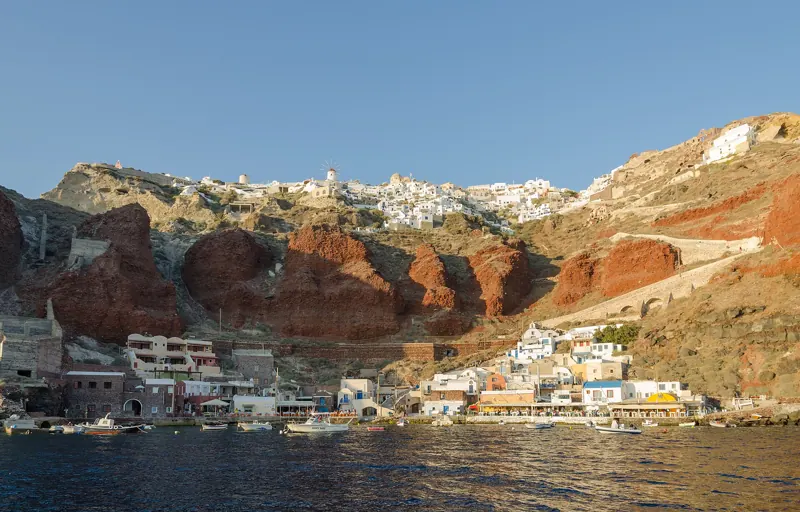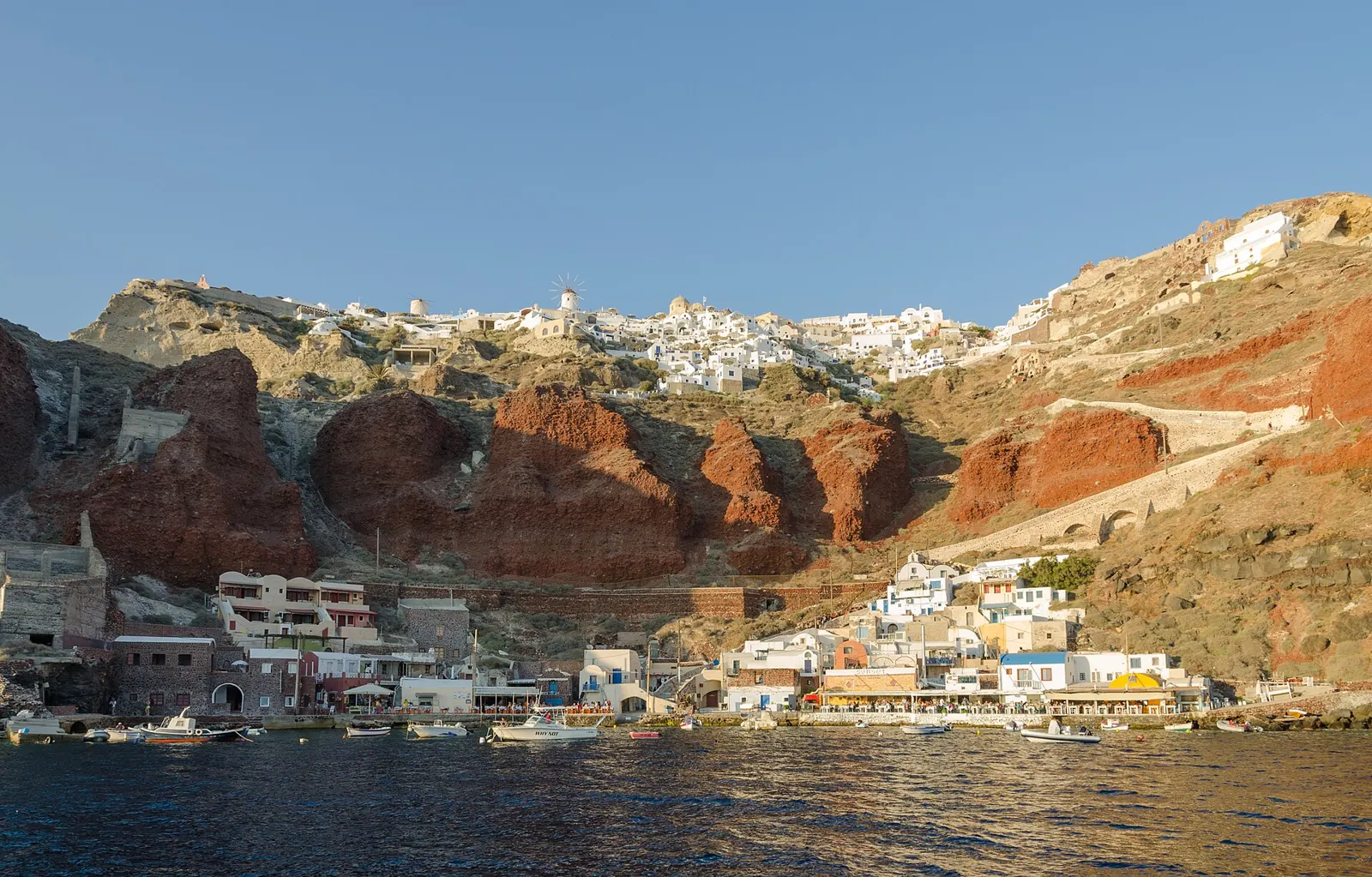
Greece offers retirees a rare combination: a 7% flat tax on foreign pension income, Mediterranean climate, and living costs 30-40% below Western Europe.
Around 15,000 foreign retirees relocated to Greece between 2020 and 2025, with numbers accelerating after the non-dom tax scheme launched.
Here’s your insider breakdown of every destination, cost, and visa pathway for choosing between Greek island and mainland retirement in 2026.
Why Retire in Greece in 2026?
Greece stands out from every other European retirement destination because it actively competes for your pension money through tax incentives, visa flexibility, and a cost of living that stretches retirement savings dramatically further than Portugal or Spain.
Greece’s Non-Dom Tax Regime for Foreign Retirees
The non-dom flat tax lets qualifying foreign retirees pay a fixed 7% rate on all overseas income, including pensions, investments, and rental earnings from abroad. You apply through the Greek tax authority (AADE), and approval typically takes 2-4 months. The scheme runs for 15 years from your enrollment date.
- You must establish Greek tax residency (183+ days per year in Greece)
- You must not have been a Greek tax resident for 5 of the previous 6 years
- A minimum annual tax payment of €100,000 does not apply to the retiree scheme (that’s the separate non-dom program for high earners)
- Greek-source income remains taxed at standard progressive rates
This single policy makes Greece one of the most tax-efficient retirement destinations in Europe for 2026.
Golden Visa and D7 Retirement Visa Options
Greece offers two primary residency pathways for non-EU retirees in 2026. Your budget and intentions determine which route fits.
| Visa Type | Investment/Income Requirement | Processing Time | Residency Obligation | Path to Citizenship |
|---|---|---|---|---|
| Golden Visa | €250,000-€500,000 property (region-dependent) | 2-3 months | None | 7 years |
| Financially Independent Person Visa (Type D) | Proof of €2,000+/month pension or passive income | 3-6 months | Must reside in Greece | 7 years |
| EU Freedom of Movement | Sufficient resources + health insurance | Immediate | Registration after 3 months | N/A |
The Golden Visa threshold rose to €500,000 in Athens, Thessaloniki, Mykonos, and Santorini in 2024. Other regions, including most islands and mainland towns, remain at €250,000. For retirees on a pension, the Type D visa is the practical choice.
Cost of Living Snapshot: Greece vs Other European Retirement Hotspots
Greece consistently undercuts its Mediterranean competitors on monthly retirement costs.
| Expense Category | Greece | Portugal | Spain | Italy |
|---|---|---|---|---|
| 1-bed apartment (city) | €400-€650 | €600-€900 | €650-€950 | €550-€800 |
| Groceries (couple/month) | €300-€400 | €350-€450 | €350-€450 | €400-€500 |
| Dining out (per meal) | €8-€15 | €10-€18 | €12-€20 | €12-€22 |
| Private health insurance | €150-€250 | €200-€350 | €200-€300 | €250-€400 |
| Total monthly (couple) | €1,400-€2,200 | €1,800-€2,800 | €1,900-€2,800 | €2,000-€3,000 |
EU retirees with an EHIC or GHIC card access Greek public healthcare at no additional cost. Non-EU retirees need private health insurance, which remains significantly cheaper in Greece than comparable coverage in Portugal or Spain.
Islands vs Mainland: The Core Differences for Retirees
The Greek islands vs mainland comparison comes down to one honest question: do you want the postcard life with real logistical trade-offs, or year-round convenience with a coastal lifestyle that’s nearly as beautiful?
Climate and Seasonal Variations
Island and mainland climates differ more than most retirees expect.
- Southern islands (Crete, Rhodes, Cyclades) average 300+ sunny days per year with mild winters rarely dropping below 10°C
- Northern mainland (Thessaloniki, Pelion) experiences genuine winters with temperatures hitting 0-5°C and occasional snow
- Peloponnese coast (Kalamata, Nafplio) rivals island climates with 260+ sunny days and warm winters
- Island wind exposure, especially in the Cyclades, brings the meltemi wind from June through September, cooling summers but making some days unpleasant outdoors
If you want warmth without island logistics, the southern Peloponnese delivers a nearly identical climate to Crete.
Transportation and Accessibility
This is where the island dream meets practical reality.
Mainland advantages:
– National rail network connects Athens to Thessaloniki in 4 hours
– KTEL bus routes reach every town
– Highway system links major cities
– Athens International Airport offers year-round global connections
Island realities:
– Ferry schedules reduce by 50-70% between November and March
– Rough seas cancel crossings regularly in winter months
– Smaller islands lack airports entirely
– Crete, Rhodes, and Corfu have international airports with year-round flights
– Inter-island travel often requires routing through Athens or Piraeus
Retirees who need regular access to an international airport or specialist medical care should factor ferry dependency into their island decision seriously.
Healthcare Infrastructure
Mainland cities dominate healthcare access. Athens and Thessaloniki house Greece’s best hospitals, including private facilities with English-speaking specialists. Every mainland city of 50,000+ residents has a general hospital.
On islands, healthcare looks different:
| Island | Hospital | Specialist Care | Emergency Evacuation |
|---|---|---|---|
| Crete | 3 major hospitals | Available in Heraklion | Rarely needed |
| Rhodes | General hospital | Limited specialists | Helicopter to Athens |
| Corfu | General hospital | Limited specialists | Helicopter to Athens |
| Naxos | Health center only | Referral to Athens | Air evacuation common |
| Paros | Health center only | Referral to Athens | Air evacuation common |
If you manage a chronic condition requiring regular specialist visits, mainland living removes a layer of stress and risk.
Social Life and Community Integration
Expat communities cluster predictably. Crete’s Chania region hosts thousands of Northern European retirees. Corfu has a well-established British community. Athens and Thessaloniki attract diverse international residents.
Smaller islands pose a genuine social challenge off-season. Populations shrink by 60-80% after October. The taverna where you made friends closes. Your English-speaking neighbors fly home. Mainland cities maintain consistent social infrastructure year-round.
Language barriers hit harder on small islands where off-season English speakers are scarce. In Thessaloniki or Athens, you’ll manage comfortably in English for years.
Best Greek Islands to Retire in 2026
Five islands stand out for retirees who want island life without sacrificing critical infrastructure. Each offers a different balance of beauty, convenience, and cost.
Crete: The All-Rounder with Full Infrastructure
Crete functions more like a small country than a typical Greek island. It’s 260 km long, has three international airports, multiple hospitals, a university, and a population of 630,000. You never feel trapped.
- Chania (west coast) draws the most retirees with its Venetian harbor, walkable old town, and established expat networks
- Heraklion offers the best medical facilities and largest commercial center
- Rethymno splits the difference with charm and moderate infrastructure
- Southern coast villages like Plakias provide isolation for retirees seeking quiet
2026 Monthly Budget (Couple):
| Tier | Rent | Food & Dining | Utilities & Internet | Healthcare | Total |
|---|---|---|---|---|---|
| Budget | €400 | €350 | €120 | €150 | €1,020 |
| Moderate | €650 | €500 | €150 | €200 | €1,500 |
| Comfortable | €900 | €700 | €180 | €250 | €2,030 |
Crete is the safest island choice for retirees who want the full island experience with mainland-level services.
Corfu: Green, Cultured, and Expat-Friendly
Corfu feels more Italian than Greek, thanks to centuries of Venetian rule. The island stays green year-round with rainfall that other Greek islands lack. This means lush gardens, cooler summers, and a landscape closer to Tuscany than the Cyclades.
- A large British expat community makes the transition easier for English speakers
- Corfu Town has genuine cultural depth: opera house, museums, Italianate architecture
- International airport with direct flights to major European cities year-round
- Northeast coast villages (Kalami, Kassiopi) attract upscale retirees
- Property prices sit 15-20% above mainland equivalents but below Cycladic islands
2026 Monthly Budget (Couple):
| Tier | Rent | Food & Dining | Utilities & Internet | Healthcare | Total |
|---|---|---|---|---|---|
| Budget | €450 | €370 | €130 | €160 | €1,110 |
| Moderate | €700 | €520 | €160 | €210 | €1,590 |
| Comfortable | €1,000 | €720 | €190 | €260 | €2,170 |
Rhodes: History, Healthcare, and Year-Round Sun
Rhodes delivers the longest warm season of any Greek island, with swimming weather from May through November. The island’s tourism infrastructure means more services stay open year-round compared to smaller Dodecanese neighbors.
- Rhodes General Hospital provides solid primary and emergency care
- The medieval Old Town is a UNESCO World Heritage site and a genuinely interesting place to live near
- Lindos and the east coast offer calmer, more residential settings
- A well-connected international airport operates year-round
- Tourism dominance means summer crowds in popular areas
2026 Monthly Budget (Couple):
| Tier | Rent | Food & Dining | Utilities & Internet | Healthcare | Total |
|---|---|---|---|---|---|
| Budget | €420 | €360 | €120 | €155 | €1,055 |
| Moderate | €680 | €510 | €150 | €200 | €1,540 |
| Comfortable | €950 | €700 | €180 | €250 | €2,080 |
Naxos: Affordable Island Living Off the Beaten Path
Naxos is the Cyclades’ best-kept retirement secret. It’s the largest Cycladic island, the most fertile (it actually grows its own food), and costs 30-40% less than neighboring Paros or Santorini.
- Naxos Town (Chora) has genuine character without feeling like a theme park
- Self-sufficient agriculture means fresher, cheaper produce than import-dependent islands
- Mountain villages in the interior offer complete tranquility
- No hospital, only a health center. Serious medical needs require a ferry to Athens or air evacuation
- Winter population drops significantly, bringing genuine solitude
2026 Monthly Budget (Couple):
| Tier | Rent | Food & Dining | Utilities & Internet | Healthcare | Total |
|---|---|---|---|---|---|
| Budget | €350 | €320 | €110 | €150 | €930 |
| Moderate | €550 | €450 | €140 | €200 | €1,340 |
| Comfortable | €800 | €620 | €170 | €250 | €1,840 |
Naxos works best for healthy, self-sufficient retirees comfortable with limited medical infrastructure.
Paros: The Cycladic Sweet Spot
Paros hits the balance point between Cycladic beauty and practical livability. It has better ferry connections than most Cycladic islands, a growing year-round community, and enough infrastructure to avoid the isolation problem.
- Parikia and Naoussa are the two main towns, each with distinct personality
- Ferry connections to Athens (Piraeus) run 3-4 hours with multiple daily departures even in winter
- Small airport with domestic connections
- Growing international community staying year-round
- Property prices have risen 25-30% since 2022, reflecting increasing demand
2026 Monthly Budget (Couple):
| Tier | Rent | Food & Dining | Utilities & Internet | Healthcare | Total |
|---|---|---|---|---|---|
| Budget | €450 | €370 | €120 | €155 | €1,095 |
| Moderate | €700 | €520 | €150 | €210 | €1,580 |
| Comfortable | €1,000 | €700 | €180 | €260 | €2,140 |
Best Mainland Greece Locations to Retire in 2026
Mainland Greece retirement offers something islands cannot: consistent infrastructure without seasonal shutdowns. These five locations give you coastal Mediterranean living with city-level services.
Kalamata: Peloponnese Coastal Living
Kalamata is the mainland’s answer to island retirement, and many expats argue it’s better. A city of 70,000 on the Messenian Gulf, it delivers warm winters, world-famous olive oil, and a genuinely relaxed Greek lifestyle.
- International airport with direct European flights (expanding routes for 2026)
- Stunning Mani Peninsula and Messenia coast within 30 minutes
- Weekly farmers’ markets with some of the best produce in Greece
- Growing expat community, especially Northern Europeans and Americans
- University hospital for medical needs, Athens reachable by car in 2.5 hours via new highways
2026 Monthly Budget (Couple):
| Tier | Rent | Food & Dining | Utilities & Internet | Healthcare | Total |
|---|---|---|---|---|---|
| Budget | €350 | €300 | €100 | €140 | €890 |
| Moderate | €550 | €450 | €130 | €190 | €1,320 |
| Comfortable | €800 | €620 | €160 | €240 | €1,820 |
Kalamata offers the lowest retirement costs on this list with a quality of life that rivals any island.
Thessaloniki: Urban Culture Meets Seaside Life
Thessaloniki is Greece’s most underrated retirement city. It has everything Athens offers, minus the congestion, pollution, and intensity. A walkable waterfront, world-class food scene, and direct flights across Europe make it the top urban retirement pick.
- AHEPA and Papageorgiou hospitals provide specialist care matching Athens
- University city atmosphere keeps the energy young and the cultural calendar full
- Outstanding food scene, widely considered Greece’s culinary capital
- Affordable compared to Athens, with rents 20-30% lower
- Genuine four-season climate, including cold winters (average January low: 1°C)
2026 Monthly Budget (Couple):
| Tier | Rent | Food & Dining | Utilities & Internet | Healthcare | Total |
|---|---|---|---|---|---|
| Budget | €400 | €330 | €120 | €150 | €1,000 |
| Moderate | €650 | €480 | €150 | €200 | €1,480 |
| Comfortable | €900 | €680 | €180 | €250 | €2,010 |
The trade-off is winter. If you dislike cold weather, Thessaloniki’s December through February will test your commitment.
Nafplio: Historic Charm with Modern Comforts
Nafplio is the prettiest small town in mainland Greece, and retirees who visit on a day trip from Athens keep coming back. Venetian fortresses, neoclassical buildings, and a compact walkable center create a setting that feels curated but authentic.
- Population of 15,000 keeps it intimate without feeling isolated
- 2-hour drive to Athens for airport access, specialist healthcare, and big-city shopping
- Peloponnese location means mild winters and warm, dry summers
- Limited but sufficient medical facilities, with Argos hospital 15 minutes away
- Strong local Greek character, less “expat bubble” than island communities
2026 Monthly Budget (Couple):
| Tier | Rent | Food & Dining | Utilities & Internet | Healthcare | Total |
|---|---|---|---|---|---|
| Budget | €380 | €310 | €100 | €145 | €935 |
| Moderate | €600 | €460 | €130 | €195 | €1,385 |
| Comfortable | €850 | €640 | €160 | €245 | €1,895 |
Pelion Peninsula: Mountain-Meets-Sea Seclusion
Pelion is where Greek mythology placed the centaurs, and visiting the peninsula explains why. Dense forests, stone villages, and Aegean beaches combine in a landscape unlike anywhere else in Greece.
- Traditional stone villages like Makrinitsa, Tsagarada, and Mouresi offer complete tranquility
- The port town of Volos (population 145,000) sits at Pelion’s base with full urban services
- Cooler summer temperatures than southern Greece, genuine autumn colors
- Limited expat community means deeper Greek immersion
- Roads are narrow and winding. A car is essential. Winter driving requires confidence
2026 Monthly Budget (Couple):
| Tier | Rent | Food & Dining | Utilities & Internet | Healthcare | Total |
|---|---|---|---|---|---|
| Budget | €300 | €280 | €110 | €140 | €830 |
| Moderate | €500 | €420 | €140 | €190 | €1,250 |
| Comfortable | €750 | €580 | €170 | €240 | €1,740 |
Pelion offers the lowest costs and most privacy on this list. It suits retirees who prioritize nature and solitude over beach-bar socializing.
Athens Riviera: Capital Convenience with Beach Access
The Athens Riviera stretches south from Faliro to Cape Sounion, offering suburban coastal living with full access to a European capital’s infrastructure.
- Glyfada draws the most international residents with upscale shopping, dining, and beaches
- Vouliagmeni provides a quieter, more exclusive atmosphere with thermal lake swimming
- Metro and tram connect the riviera to central Athens in 30-40 minutes
- Every specialist doctor, international school, embassy, and airline is within reach
- Costs run 30-50% higher than other mainland options
2026 Monthly Budget (Couple):
| Tier | Rent | Food & Dining | Utilities & Internet | Healthcare | Total |
|---|---|---|---|---|---|
| Budget | €600 | €400 | €130 | €160 | €1,290 |
| Moderate | €900 | €580 | €160 | €210 | €1,850 |
| Comfortable | €1,300 | €780 | €190 | €260 | €2,530 |
Athens Riviera is the right choice for retirees who want zero compromise on urban convenience and will pay for it.
Cost of Living Breakdown: Islands vs Mainland (2026)
Greece retirement cost of living varies by as much as 60% depending on location. The gap between a quiet mainland town and a trendy island destination is larger than most retirees anticipate.
Housing and Rent Comparison
Rent is the biggest variable in your Greek retirement budget.
| Location Type | 1-Bed (Monthly) | 2-Bed (Monthly) | Buy per m² |
|---|---|---|---|
| Mainland small city (Kalamata, Nafplio) | €300-€500 | €450-€700 | €1,200-€1,800 |
| Mainland large city (Thessaloniki) | €400-€650 | €550-€900 | €1,500-€2,500 |
| Athens Riviera | €600-€1,000 | €800-€1,400 | €2,500-€4,500 |
| Large islands (Crete, Rhodes) | €400-€700 | €550-€950 | €1,500-€2,800 |
| Popular Cyclades (Paros, Naxos) | €450-€800 | €600-€1,100 | €2,000-€3,500 |
| Premium islands (Mykonos, Santorini) | €800-€1,500 | €1,200-€2,500 | €4,000-€8,000 |
Avoid signing leases for island properties sight-unseen. Seasonal pricing manipulation is common, and photos consistently misrepresent the November through March experience.
Groceries, Dining, and Daily Expenses
Mainland grocery costs run 10-20% lower than island equivalents. Every item reaching an island travels by ferry, and that transport cost gets passed to you.
- A couple’s monthly grocery bill ranges from €280 (mainland town) to €400 (small island)
- Dining out remains affordable everywhere: €8-€12 for a taverna meal on the mainland, €10-€18 on popular islands
- Local produce is cheapest on agricultural islands like Naxos and Crete, where food grows locally
- Imported goods (international brands, specialty items) cost significantly more on islands
Utilities and Internet
- Electricity: €60-€120/month depending on AC usage (island summers) and heating (mainland winters)
- Water: €15-€25/month
- Internet: Mainland fiber reaches 100-300 Mbps in cities. Island connections typically max at 30-50 Mbps, with outages more frequent
- Heating costs favor southern islands and the Peloponnese. Thessaloniki winters require €100-€150/month in heating during December through February
Sample Monthly Budgets Side by Side
Here’s the honest comparison for a couple in 2026:
| Budget Level | Mainland Town | Large Island | Cycladic Island | Athens Riviera |
|---|---|---|---|---|
| Budget | €830-€1,000 | €1,020-€1,110 | €930-€1,095 | €1,290 |
| Moderate | €1,250-€1,480 | €1,500-€1,590 | €1,340-€1,580 | €1,850 |
| Comfortable | €1,740-€2,010 | €2,030-€2,170 | €1,840-€2,140 | €2,530 |
The sweet spot for most retirees falls in the moderate tier. Budget living is possible but requires cooking at home and limiting travel. The comfortable tier covers regular dining out, a car, and annual trips home.
Healthcare and Insurance for Retirees in Greece
Healthcare access is the single biggest practical difference between island and mainland retirement. Everything else is lifestyle preference. This is a safety issue.
Public vs Private Healthcare Access
Greece’s public healthcare system (ESY) provides free or low-cost care to residents. Quality varies dramatically by location. Athens private hospitals rival Western European standards. Rural health centers handle basics only.
- Public system wait times for non-emergency procedures run 2-6 months
- Private consultations cost €40-€80 per visit without insurance
- Most retirees use a hybrid approach: public system for routine care, private for diagnostics and specialists
- Pharmacies are well-stocked across Greece, and many medications available prescription-only elsewhere sell over the counter
Hospital Coverage: Islands vs Mainland
Mainland wins this category decisively.
- Athens: 20+ hospitals including internationally accredited private facilities
- Thessaloniki: 10+ hospitals with full specialist coverage
- Kalamata, Volos, Patras: Regional hospitals with solid general and emergency care
- Crete: Heraklion University Hospital is the only island facility approaching mainland standards
- Small islands: Health centers with 1-3 doctors. Serious conditions mean air evacuation to Athens
Emergency air evacuation from small islands is real and happens regularly. Coast Guard helicopters and air ambulances transport patients, but weather delays occur. Retirees with heart conditions, diabetes requiring specialist management, or other chronic needs should prioritize mainland proximity.
Health Insurance Requirements for 2026 Visa Applications
Non-EU retirees applying for residence permits need private health insurance covering at minimum €30,000 in medical expenses and repatriation.
- Annual premiums for retirees aged 60-70: €1,800-€3,000 depending on coverage level and pre-existing conditions
- Recommended providers operating in Greece include Allianz Care, Cigna Global, and local insurer Ethniki
- Pre-existing condition coverage requires careful policy review. Many providers exclude or load premiums
- EU retirees with S1 forms register with EFKA for full public healthcare access at no cost
Visa, Residency, and Tax Considerations for 2026
Getting legal residency in Greece is straightforward compared to most EU countries, but the bureaucracy will test your patience. Plan for delays and bring extra copies of everything.
Financially Independent Person Visa (Type D)
This is the standard retirement visa for Greece and the most common pathway for non-EU retirees.
- Income requirement: Prove €2,000/month minimum from pensions, investments, or passive income (add €300/month per dependent)
- Documentation: Passport, criminal record check, health insurance policy, proof of income, accommodation proof
- Process: Apply at the Greek consulate in your home country, receive initial visa, then apply for residence permit after arrival
- Timeline: 3-6 months total, depending on your consulate’s processing speed
- Renewal: Every 2 years, then upgradable to 5-year permits
Greece Golden Visa: Updated 2026 Thresholds
The Golden Visa Greece program restructured its investment tiers by region.
| Region | Minimum Investment | Property Type |
|---|---|---|
| Athens, Thessaloniki, Mykonos, Santorini | €500,000 | Residential |
| Other mainland and islands | €250,000 | Residential |
| Commercial property (anywhere) | €250,000 | Commercial |
Golden Visa holders have no requirement to live in Greece, making it popular with investors who want EU residency flexibility. For actual retirees planning to live in Greece, the Type D visa is more practical and costs nothing beyond insurance.
Tax Benefits: The 7% Flat Tax for Foreign Pensioners
The non-dom tax scheme for retirees is Greece’s strongest financial incentive.
- Flat 7% tax on all foreign-source income (pensions, dividends, rental income, capital gains)
- Lasts 15 years from enrollment
- Replaces standard Greek progressive tax rates (up to 44%)
- Greek-source income taxed normally
- No wealth tax and no inheritance tax for assets outside Greece
- Apply within the first tax year of establishing Greek residency
Banking and Financial Setup
Opening a Greek bank account is notoriously slow. Start the process early.
- Required documents: Tax identification number (AFM), residence permit, passport, proof of address, proof of income
- Major banks: Alpha Bank, Piraeus Bank, National Bank of Greece, Eurobank
- Expect 2-4 weeks for account activation
- Use services like Wise for pension transfers to minimize currency conversion fees
- US retirees: Greek banks increasingly comply with FATCA reporting, but some branches still resist opening accounts for Americans. Persistence and documentation solve this
Double taxation treaties exist between Greece and the US, UK, Canada, and Australia. Your pension income taxed at 7% in Greece receives credit in your home country. Consult a cross-border tax advisor before relocating. The savings are significant but the filing requirements are specific.
Language, Culture, and Community Integration
Do You Need to Speak Greek?
No, but your retirement will be dramatically richer if you learn basics. In Athens, Thessaloniki, tourist islands, and established expat areas, English handles 90% of daily life. At the tax office, the mechanic, or the village doctor on a small island, Greek becomes essential.
Expat Communities on Islands vs Mainland
- Crete (Chania): Largest island expat community. British, German, Scandinavian, and increasingly American retirees
- Corfu: Strong British presence with organized social groups, book clubs, and charity events
- Athens: Most diverse international community with Americans, Australians, and British well-represented
- Thessaloniki: Growing expat scene, younger and more cosmopolitan than island communities
- Kalamata: Emerging retirement community with organized expat meetups
- Small islands: Nationality-specific clusters (Dutch in Symi, Scandinavians in certain Cretan villages)
Mainland cities offer more diverse expat communities with year-round activity. Island communities bond intensely in summer but fragment in winter.
Learning Greek: Resources and Realistic Expectations
Budget 6-12 months of consistent study to reach conversational Greek. The alphabet takes 1-2 weeks. Grammar is complex but pronunciation is phonetically consistent.
- The Hellenic American Union and Athens Centre offer structured courses
- Online platforms like Helinika and GreekPod101 work for self-study
- Many municipalities offer free Greek classes for residents
- Private tutors charge €15-€25/hour in Greece
Greek bureaucracy moves faster when you speak the language. Medical appointments are less stressful. Neighbors become friends instead of polite acquaintances. The investment pays returns daily.
How to Choose: Decision Framework for Islands vs Mainland
Lifestyle Quiz: Which Greece Is Right for You?
Score yourself honestly on these priorities:
| Priority | Island Scores Higher | Mainland Scores Higher |
|---|---|---|
| Beach access | Daily swimming from nearby beaches | Drive 15-30 minutes to coast |
| Healthcare needs | Healthy, no chronic conditions | Regular specialist visits needed |
| Social life | Self-sufficient, small-group preference | Active social calendar year-round |
| Budget | €1,500+/month comfortable | €1,000+/month comfortable |
| Mobility | Comfortable with ferry dependency | Need highway/train/airport access |
| Winter tolerance | Enjoy quiet, solitary seasons | Want consistent activity and services |
| Language | Willing to learn Greek quickly | Prefer English-friendly environments |
If mainland scores higher on 4+ priorities, start your search on the mainland. The reverse points toward islands.
Seasonal Strategy: Split Your Time
The smartest retirees in Greece do both. The split-year strategy works like this:
- Maintain a mainland apartment as your year-round base (Kalamata, Thessaloniki, or Athens are popular)
- Rent an island property for 3-5 summer months (May through September)
- Keep your medical registrations and banking on the mainland
- Use the island months for the lifestyle, the mainland months for practical living
This approach costs €200-€400/month more than a single location but eliminates the biggest retirement regret: choosing an island, loving the summer, and dreading the winter.
The Trial Period Approach
Never buy property in Greece before renting in your target location for at least one full winter. This is the single most important piece of advice for Greece-bound retirees.
- Rent for 6-12 months minimum before purchasing
- Experience November through March before committing
- Visit your backup locations during the trial period
- Talk to retirees who’ve lived there 3+ years, not 3 months
Retirees with chronic health conditions should prioritize mainland proximity to hospitals. Active retirees wanting sailing, hiking, and beach culture thrive on larger islands with infrastructure. Quiet-lifestyle retirees seeking reading, gardening, and village life find happiness on the mainland Peloponnese or Pelion.
FAQ
How much money do you need to retire comfortably in Greece in 2026?
A couple needs €1,400-€2,200 per month for a comfortable retirement in Greece, depending on location. Mainland towns like Kalamata run €1,300/month at the moderate tier. Popular islands add 15-25% to that baseline.
Is it better to retire on a Greek island or the mainland?
Mainland retirement suits retirees who need reliable healthcare, year-round social life, and consistent infrastructure. Island retirement works for healthy, adaptable retirees who embrace seasonal rhythms and handle isolation well. Your health status should drive this decision more than lifestyle preference.
Do American retirees pay US taxes if they move to Greece?
Yes. US citizens owe taxes on worldwide income regardless of residence. The Greece-US double taxation treaty prevents paying taxes twice. The Greek 7% flat tax on pension income generates credits against your US tax liability. Most American retirees in Greece still file US returns but owe little or nothing to the IRS after foreign tax credits.
What is the Golden Visa threshold in Greece for 2026?
€250,000 for most of Greece, including popular retirement islands like Crete, Rhodes, and Corfu. Athens, Thessaloniki, Mykonos, and Santorini require €500,000. Commercial property investments remain at €250,000 nationwide.
How difficult is Greek bureaucracy for retirees?
Genuinely frustrating. Expect multiple visits to tax offices, immigration offices, and banks. Documents require apostille certification and official Greek translation. Hiring a local lawyer (€500-€1,500 for the residency process) saves weeks of confusion. Greek bureaucracy operates on relationships. A local fixer or lawyer who knows the staff at your regional office is worth every euro.
Is private health insurance expensive in Greece?
Annual premiums for retirees aged 60-70 range from €1,800 to €3,000, significantly cheaper than equivalent coverage in the US, UK, or Australia. Pre-existing conditions increase premiums or trigger exclusions. Shop policies from Cigna Global, Allianz Care, and local Greek insurers before committing.
Which Greek island has the best healthcare for retirees?
Crete, specifically Heraklion, has the strongest medical infrastructure of any Greek island. Heraklion University Hospital offers specialist care across most disciplines. Rhodes and Corfu have general hospitals adequate for routine and emergency care. Every other island requires air or sea evacuation for serious conditions.
Do you need to speak Greek to retire in Greece?
Not in Athens, Thessaloniki, or major tourist islands. English handles daily life in these areas. For mainland towns, smaller islands, and government offices, basic Greek transforms your experience. Most retirees who learn conversational Greek within their first year report significantly higher satisfaction with their retirement abroad.